Motor Oil Guide: How to Choose the Right Oil
Choose engine oil by matching your owner’s manual exact specification first, API, ACEA, ILSAC, or OEM approval, then the SAE viscosity grade. If the bottle lacks every required approval, it’s a no. Get this wrong and you can speed up wear, trigger low-oil-pressure or timing-chain issues, block warranty claims, or harm turbo and emissions systems. This guide gives you a no-guess workflow using the manual, engine code, service notes, and bottle label to make a verified yes/no choice.
The fast path is simple: identify the exact vehicle setup, copy the manual’s oil requirement exactly, decode the viscosity grade, then verify the bottle label and product data sheet before buying. That order matters because viscosity and API or ILSAC categories are separate requirements, and many fitment mistakes happen when a bottle matches one but misses the other.
Start with the exact vehicle
Model year alone is not enough
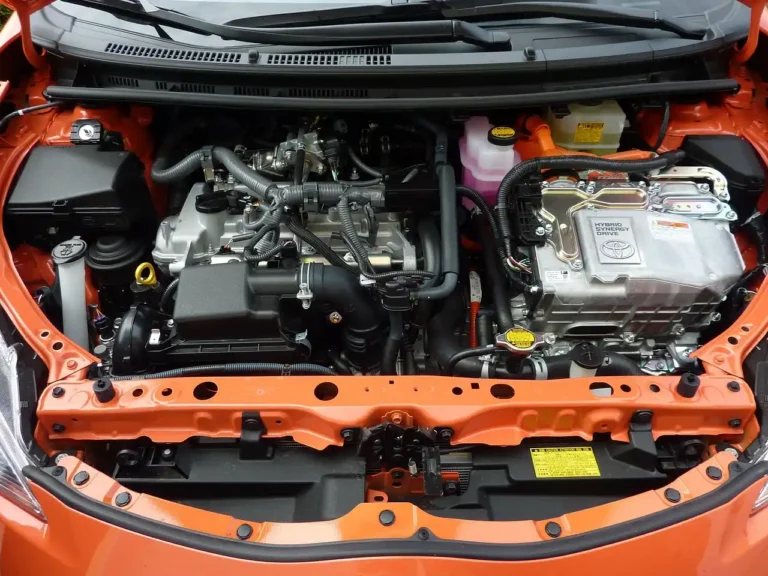
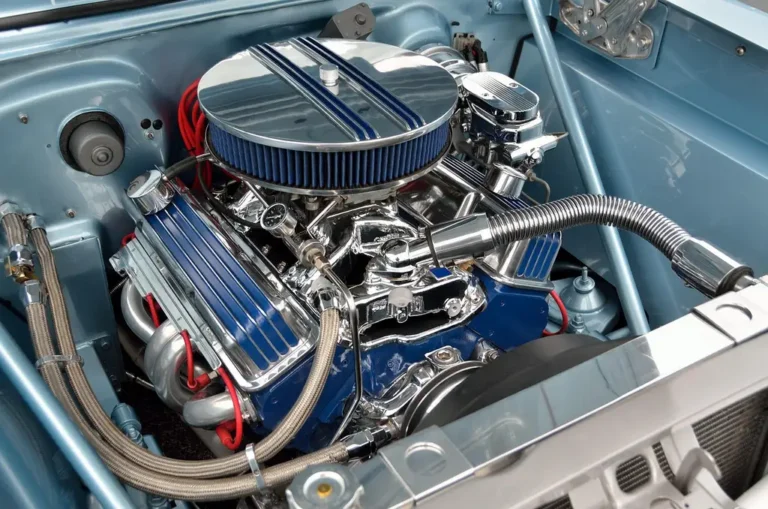
The same model line can use different engines, and those engines can call for different oil. Start with the exact model year, engine size or engine code, fuel type, and whether it is turbocharged, hybrid, or diesel.
Drive Quip says the correct oil depends on the owner’s manual, and the manual lists the recommended SAE viscosity grade, performance standard, and any manufacturer-specific approval. That is why a generic search for a vehicle name is weaker than a manual tied to the exact engine.
Find the engine code, fuel type, and induction setup
Check the manual, emissions label, service records, or engine-bay label for the engine code. Turbo and non-turbo versions of the same displacement often do not share the same oil requirement. Hybrids can also differ from their non-hybrid counterparts because frequent start-stop operation changes what the manufacturer asks for.
Say your household has two compact SUVs from the same brand: one naturally aspirated 2.5-liter gasoline model and one 2.0-liter turbo gasoline model. A retailer tool may group them together, but the manual may call for different viscosity grades or a turbo-specific approval. Change one variable, and the yes/no answer can change with it.
Use the VIN when trims or prior changes create doubt
If the trim badge is missing, the engine cover was swapped, or a previous owner changed parts, use the VIN to confirm the factory configuration before you buy oil. Match the VIN record to the engine family, fuel system, and original trim, then compare that against the manual if the setup in front of you looks inconsistent.
The VIN is a cross-check, not a replacement for the manual, but it can clear up doubts when badges, covers, or bolt-on parts no longer match what the vehicle left the factory with.
What motor oil do you need?

The correct oil is the one that matches the exact model year and engine in the owner’s manual: required viscosity, required API or ILSAC category, and any automaker approval. Read the manual before the oil cap or a parts-site fitment tool, because the manual is the primary source when those other references disagree.
Read the manual before the bottle or fitment tool
The manual overrides weather-only guesses, age-based guesses, and generic retailer suggestions. It should come first, before the bottle front label and before any fitment search, because it states the exact SAE viscosity grade, performance standard, and manufacturer-specific approval for that engine. The same source says the manual lists those items, and CarCody says motor-oil selection has at least two independent checks, with viscosity and API or ILSAC categories treated separately.
That means “5W-30 fits your car” is incomplete unless the same product also matches the required performance spec. If the manual calls for an OEM approval, that approval is part of the requirement too.
Where the manual lists the requirement
Most manuals list oil under maintenance, specifications, capacities, or service and care. Copy the line exactly. Look for several separate items, such as:
- SAE viscosity grade, such as 0W-20 or 5W-30
- API service category, such as API SP
- ILSAC specification, such as GF-6A, when shown
- Automaker approval, such as dexos1 Gen 3 or BMW Longlife-04, if required
Do not blur those into one line item. Oil type matters too, but conventional, synthetic blend, and full synthetic do not replace viscosity or approval compliance.
How to handle more than one approved viscosity
Some manuals list alternate grades for defined conditions, such as a temperature range, duty cycle, or market region. In that case, every listed option is acceptable only within the conditions named by the manual. If the manual names one primary grade and one alternate, use the primary unless your use matches the alternate condition exactly.
Picture a manual that lists one grade for normal service and another for a narrow temperature band in a certain market. That is a controlled exception from the manufacturer, not permission to improvise based on forum advice.
How do you read oil grades?
A grade such as 0W-20 or 5W-30 gives two viscosity checkpoints, not a full fitment answer. The first number is the cold-weather rating, the W stands for winter, and the second number describes operating viscosity at normal engine temperature. Read the grade, then keep checking API, ILSAC, and any OEM approval.
What 0W-20 and 5W-30 mean
In an SAE multigrade, the first number rates cold-temperature flow, the W means winter, and the second number rates viscosity once the engine is at normal operating temperature. Those numbers do different jobs, so they cannot be swapped casually.
So a 0W-20 and a 5W-30 differ at both cold start and hot operation. That is why “close enough” is a bad buying rule. A different second number changes the oil’s hot-viscosity behavior, and a different first number changes cold-start flow expectations.
Why the oil-fill cap is only a starting point
The guide says the oil cap may show a grade such as 5W-30, 0W-20, or 5W-20. That is useful, but it often stops at viscosity. It usually does not show the full API category, ILSAC spec, or automaker approval required for your engine.
If the cap says 0W-20 and the manual says 0W-20 API SP ILSAC GF-6A, the cap gave only part of the answer. If the manual also calls for dexos1 Gen 3, the cap is missing even more.
Why viscosity alone is not enough
API service categories must match the manual
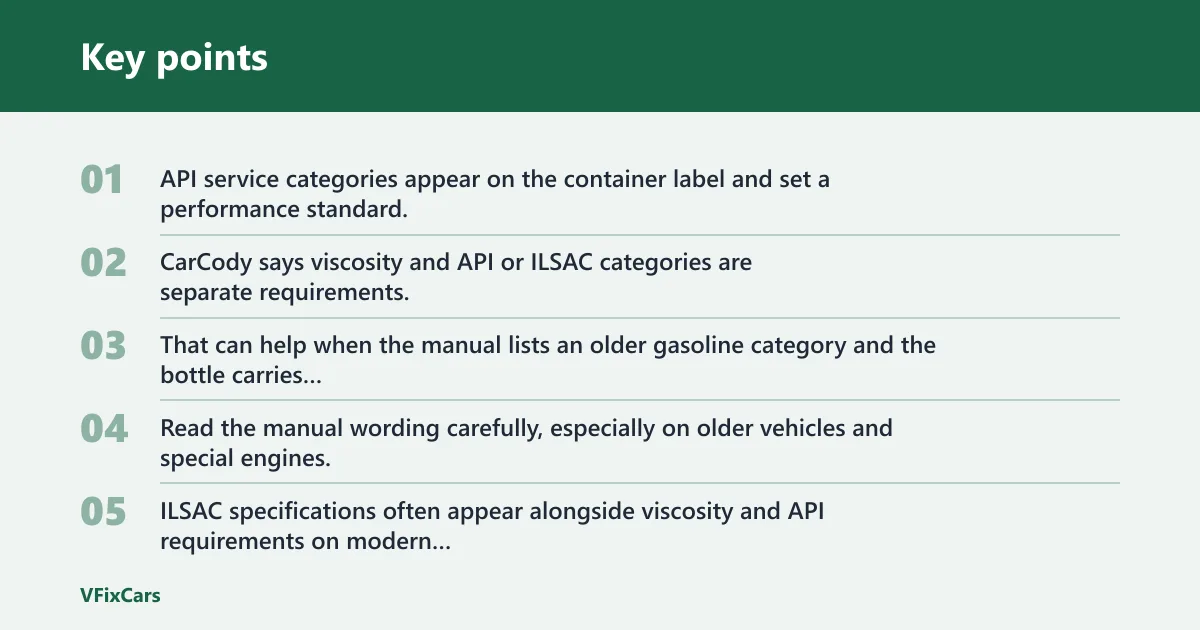
API service categories appear on the container label and set a performance standard. They are not the same thing as viscosity. CarCody says viscosity and API or ILSAC categories are separate requirements, and that split is where many wrong-oil purchases begin.
The guide says API SP superseded SN Plus. That can help when the manual lists an older gasoline category and the bottle carries the newer one, but only if the manufacturer allows the later category as meeting or exceeding the earlier requirement. Read the manual wording carefully, especially on older vehicles and special engines.
ILSAC matters on many modern gasoline engines
ILSAC specifications often appear alongside viscosity and API requirements on modern gasoline vehicles. The guide says ILSAC GF-6A matters for direct-injection engines. If the manual calls for GF-6A, a bottle that matches viscosity but does not show GF-6A is missing a required check.
This is one reason the front label alone can mislead. Large print may show 0W-20 full synthetic while the needed ILSAC line appears only on the back label or product data sheet.
What changes when categories move forward
Category updates happen over time. Newer API categories may replace older ones, but the safe move is still to compare the bottle to the manual requirement, then check the product data sheet if the label is vague. Do not assume every newer-looking bottle automatically covers every older requirement, and do not assume a retailer database sorted it correctly.
Do you need an automaker approval?
Yes, if the manual requires one. An automaker approval sits beside viscosity and API or ILSAC rather than replacing them, and the bottle or product data sheet should show that exact approval. If the manual names dexos, BMW Longlife, or another OEM spec, treat a missing approval as a no-buy result.
When dexos, BMW Longlife, and similar approvals are mandatory
Some manufacturers require their own approval because the engine, turbocharger, emissions hardware, or oil-life system was validated around that standard. The guide gives dexos1 Gen 3 as a GM approval example and BMW Longlife-04 as an OEM-specific certification example.
Copy the approval exactly from the manual. “Recommended for GM vehicles” is not the same as “approved to dexos1 Gen 3” unless the label or product data sheet says so clearly.
Verify the exact approval on the bottle and data sheet
Check the front label, then the back label, then the product data sheet. The label may mention viscosity and synthetic type in large print while the approval line is elsewhere. The product data sheet is the best tie-breaker when the front label is incomplete or unclear.
The guide says a $24 jug meeting dexos1 Gen 3 can be more appropriate than a $38 jug without approval. Price does not prove fitment. The exact approval does.
Common failure case: right viscosity, wrong approval
A bottle can match 5W-30 and still be wrong if it lacks the required API, ILSAC, or OEM approval. This matters on turbo gasoline engines and emissions-system-sensitive diesels in particular. A right-looking viscosity line does not rescue a missing approval.
Suppose a diesel manual requires a specific low-ash OEM approval to protect the emissions system. A generic 5W-30 with no listed approval might pour fine, but it is still a no because the manual’s approval requirement remains unmet.
Synthetic, blend, or conventional?
What oil type changes and what it does not
Oil type affects base-stock makeup, cold-flow behavior, oxidation resistance, and often service-life potential. It does not replace the required viscosity or specs. A full synthetic with the wrong approval is still the wrong oil, while a less expensive oil with the exact required approval can be the better match.
When the manufacturer requires full synthetic
Some manuals require full synthetic outright, especially on modern turbocharged gasoline engines, many hybrids, and engines using long oil-change intervals or strict oil-life monitoring. If the manual says full synthetic only, do not step down to a blend or conventional oil even if the viscosity number matches.
Cost per change versus service interval
The guide says full synthetic lasts roughly twice as long between changes. That affects cost per approved service interval, but only within the manufacturer’s limits. If a manual allows either conventional or full synthetic at different service intervals, compare the total cost across those allowed intervals rather than the jug price alone.
A simple example: if one approved oil costs less up front but needs replacement sooner under the manual’s schedule, its cost per allowed interval can end up similar to a pricier full synthetic. What does not change is the first screen: the oil still has to meet the listed viscosity, API or ILSAC spec, and any OEM approval.
The guide also warns against choosing oil based only on the idea that older cars need thicker oil. Vehicle age by itself is not a permission slip to move up a grade.
Oil selection decision table
Fast yes/no checks by vehicle type
| Vehicle setup | Manual requirement | Bottle label check | Acceptable substitute | Red-flag mismatch |
|---|---|---|---|---|
| Turbo gasoline | Exact model year and turbo engine code; listed SAE grade; listed API category such as API SP; listed ILSAC spec such as GF-6A if required; any OEM approval such as dexos1 Gen 3 | Viscosity matches exactly; API and ILSAC match the manual; OEM approval shown on label or product data sheet | Only a manual-listed alternate viscosity for the stated condition, or a newer superseding category when the manufacturer allows it | Right viscosity but no OEM approval; “recommended for” language with no formal approval; retailer fitment says yes but manual says otherwise |
| Naturally aspirated gasoline | Exact engine size or code; listed SAE grade; required API category; ILSAC spec if shown | Container shows the same viscosity and required API or ILSAC line | Manual-listed alternate grade for temperature or service condition; temporary top-off only when the manual permits a substitute | Choosing thicker oil because of age alone; cap grade matches but API or ILSAC line is missing |
| Hybrid gasoline | Hybrid-specific manual entry; exact SAE grade; required API and ILSAC; full synthetic if required | Viscosity exact; GF spec present when required; synthetic type matches the manual | Another manual-listed viscosity for the exact stated market or climate condition | Using the non-hybrid model’s oil requirement; assuming any 0W-20 synthetic is acceptable without the listed specs |
| Diesel | Exact diesel engine code; manual-listed viscosity; API, ACEA, or OEM approval exactly as shown, especially for emissions-equipped engines | Back label or data sheet shows the exact diesel approval or category the manual requires | Regional equivalent only if the manual or manufacturer service information names it as an approved substitute | Gasoline-only API category; missing low-ash or OEM approval requirement; same viscosity used across gas and diesel without proof |
Can you use a different oil grade?
Usually no, unless the manual lists that other grade for a defined condition or the manufacturer issued updated service information. A regional substitute can be acceptable when the manufacturer says so. A different grade based only on climate, age, internet advice, or retailer convenience is not a reliable reason to switch.
When the manual lists alternate grades
If the manual gives more than one approved viscosity, choose only from that list and only for the condition attached to each grade. The manual is the tie-breaker over the oil-fill cap and retailer fitment tool unless the manufacturer later issued a service bulletin or updated service information.
When a regional substitute may be acceptable
Regional packaging and standards can differ, especially in mixed-fleet households or imported vehicles. An acceptable substitute exists only when the manual or manufacturer documentation recognizes that substitute category or approval. For example, a regional bottle may use a different marketing label, but the product data sheet still needs to show the exact required spec or the approved cross-reference.
Red-flag mismatches that make the answer no
- The bottle matches viscosity but lacks the required API category
- The bottle matches viscosity and API but lacks the required ILSAC spec
- The bottle says “for use in” or “recommended for” but does not list the OEM approval
- The cap and retailer tool agree, but the manual requires a different approval
- The same model year has two engines, and the bottle was chosen by trim name only
How to verify the bottle before you buy
Verify the bottle in three passes: front label, back label, then product data sheet. You need a yes on every required line from the manual: viscosity, API or ILSAC, and any OEM approval. If one item is missing or vague, treat the bottle as unverified and keep looking.
Front label versus back label versus product data sheet
The front label usually gives the viscosity and oil type. The back label often lists API service category, ILSAC spec, and formal approvals. The product data sheet is where an incomplete package claim should be confirmed before money changes hands.
A common first-timer mistake is stopping at full synthetic 0W-20 on the front. That checks only part of the requirement. The back label and data sheet decide the rest.
How to judge “recommended for” claims
“Recommended for,” “suitable for,” or “meets the needs of” are weaker than a stated formal approval when the manual requires an OEM standard. For dexos, BMW Longlife, and similar approvals, look for the exact approval name. If that exact text is absent, the safer answer is no.
Two-minute yes/no workflow
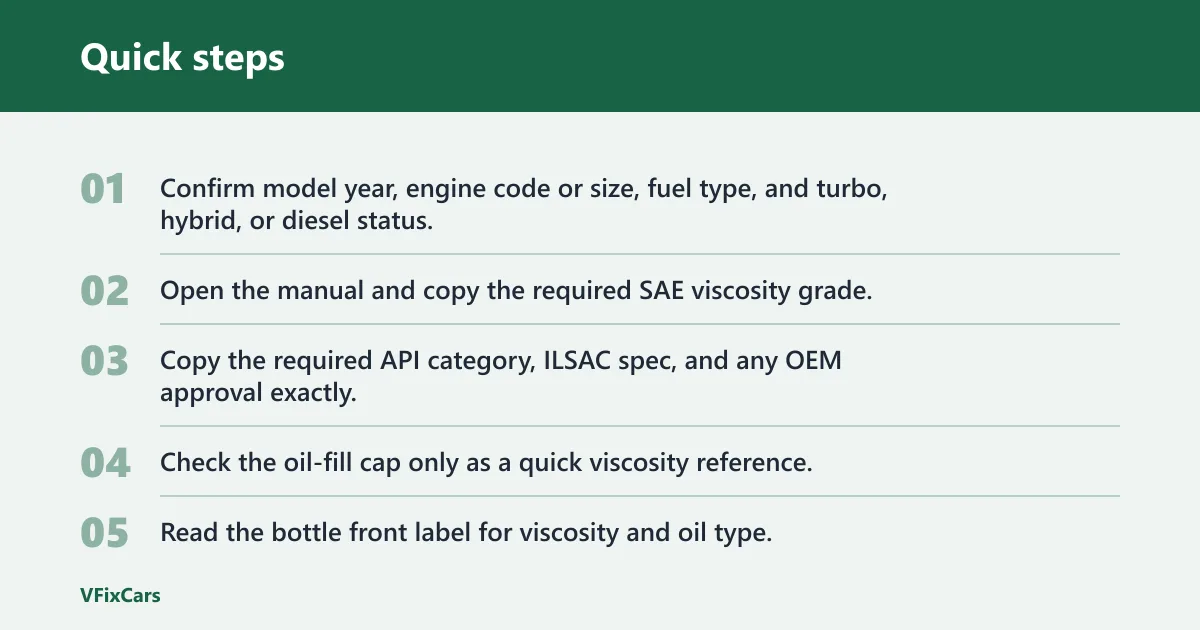
- Confirm model year, engine code or size, fuel type, and turbo, hybrid, or diesel status.
- Open the manual and copy the required SAE viscosity grade.
- Copy the required API category, ILSAC spec, and any OEM approval exactly.
- Check the oil-fill cap only as a quick viscosity reference.
- Read the bottle front label for viscosity and oil type.
- Read the back label for API, ILSAC, and formal approvals.
- If any approval line is unclear, read the product data sheet.
- Buy only if every required line matches or the manufacturer documents an approved substitute.
That process also resolves conflicts. If the cap says one thing, the retailer says another, and the manual is clear, the manual wins unless later manufacturer service information says otherwise.
Motor Oil Hellas and other oil companies may market products across several grades and approvals, but the same buying rule applies regardless of brand: brand reputation does not replace the exact specification match shown on the bottle and data sheet.
Navigating emergency brand and weight swaps
When facing a low oil warning between service appointments, knowing when to mix brands or weights is critical for engine protection. While top-offing with a different brand is generally safe if the API and ILSAC specs match, combining different viscosity grades like 5W-30 and 10W-40 creates a fluid that may not maintain proper lubrication under extreme temperatures. This guide explains the emergency oil mixing rules so you can make informed decisions at the store. It details specific compatibility scenarios, highlighting when a mixed fill requires an immediate drain and replace rather than waiting for your next scheduled maintenance. Understanding these nuances prevents accelerated wear and ensures your engine remains protected during temporary inconsistencies in oil composition.
Frequently asked questions
How to read engine oil
Read engine oil in layers. First read the SAE grade, such as 0W-20 or 5W-30. Then read the API service category and any ILSAC line. Finally read any OEM approval. The big front-label text is rarely the whole answer, so the back label and product data sheet matter.
Should I use synthetic or conventional motor oil?
Use the oil type the manufacturer allows or requires. Full synthetic, blend, and conventional do not override viscosity or approval requirements. If the manual requires full synthetic, that ends the question. If more than one type is allowed, compare cost per permitted service interval rather than jug price alone.
What does 5W-30 mean?
A multigrade such as 5W-30 gives two viscosity checkpoints. The first number is the cold-weather rating, the W stands for winter, and the second number describes operating viscosity at normal engine temperature. It explains only the viscosity part of fitment, so API, ILSAC, and OEM approvals still need verification.
Do I need an automaker approval in addition to viscosity?
Yes, whenever the manual lists one. Viscosity alone is not enough if the manufacturer also requires dexos, BMW Longlife, or another OEM standard. In that case, the bottle or product data sheet should show the exact approval name. If it does not, the oil is not a verified match.