How often should you change your car’s air filter?
Replace the engine air filter on a regular schedule based on driving conditions; many owners use shorter intervals in dusty or stop-and-go use, and an annual check or replacement can make sense if you drive very little. A clogged filter can reduce airflow, may hurt fuel economy, and can make the engine feel sluggish. This guide explains the intervals, the warning signs, and how the engine air filter differs from the cabin air filter.
This guide is part of our Air filters for cars: engine vs cabin air filter series.
How often should you change your car air filter?
The right interval depends on how you drive, not a single mileage number. For a normal commute, many manufacturers recommend changing the engine air filter every 15,000-30,000 miles. If you drive on dirt roads, idle a lot, or spend time in stop-and-go traffic, inspect it sooner and replace it earlier when it looks dirty.
What the engine air filter does
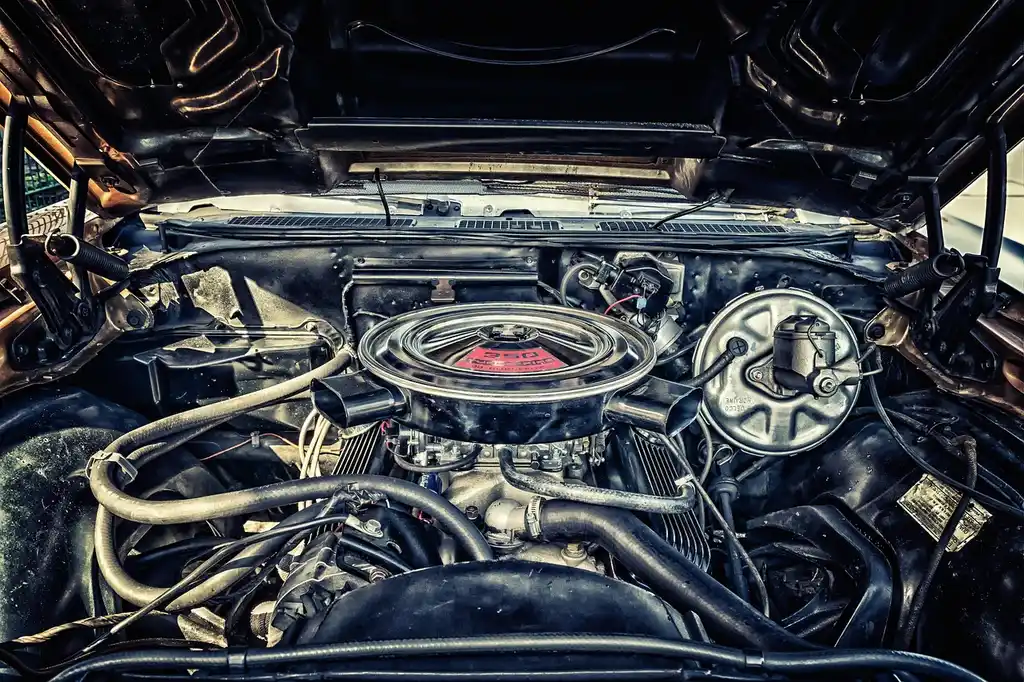
The engine air filter sits under the hood and keeps dirt and debris out of the engine. It is part of the intake path that feeds air to combustion, so a dirty filter can restrict airflow and disturb the air-to-fuel ratio. That can cut engine output and make the vehicle feel less responsive.
Common warning signs are subtle. You may notice slower throttle response, slightly worse fuel economy, or a sense that the engine is working harder than usual. Those symptoms do not prove a bad filter by themselves, but they are enough reason to inspect it right away.
Say your sedan covers 12 miles of city traffic each day and sits at traffic lights often. The filter may load up with soot and dust faster than a highway commuter’s filter, even if the odometer climbs slowly. In that case, inspection timing matters more than a simple odometer target.
📊 If you do not drive much, the filter should still be replaced every 3 years. Source: Blog – how-often-should-you-change-your-cars-air-filter-42649….
What mileage should I change it at?
A useful mileage rule is 15,000-30,000 miles, with the lower end for severe duty and the higher end for mostly highway or light city use. Drivers on dirt roads may need replacement around 15,000 miles. Mostly highway or city driving may allow closer to 30,000 miles.
Use pattern matters more than a generic number
Dust, road grit, towing, and repeated idling all load the filter faster. A work van that idles at job sites all day can need earlier service than a lightly driven commuter car with clean roads and long highway trips. Climate matters too: dry, dusty conditions usually shorten the interval more than damp, clean environments.
A common first-timer mistake is waiting for a big mileage milestone while the filter is already packed with debris. A filter can be due well before the highest recommended mileage if the vehicle sees harsh dust or heavy stop-and-go use.
Should you replace it by mileage or by time?
Use both. Mileage is the main guide for most drivers, but time matters for vehicles that sit more than they drive. If you do not drive much, the filter should still be replaced every 3 years, because age-related fiber breakdown can reduce its ability to filter and move air properly.
Why low-mileage drivers still need a time limit
Even a filter with low miles can age. Heat cycling, humidity, and simple material wear can make the fibers weaker over time. That is why a car that only sees weekend trips should not keep the same filter indefinitely just because the odometer is low.
Picture a garage-kept coupe that logs 2,000 miles a year. The filter may look clean at 18 months, but age still counts. Replacing it on a 3-year schedule keeps the interval tied to both use and material condition.
Can I visually inspect my air filter instead of replacing it on schedule?
Yes, visual inspection is useful, but it should not replace the full schedule. Open the under-hood air box, usually by releasing snaps or clips, and lift out the engine air filter. Hold it up to the light. If it looks clean or only slightly dirty, it may still be fine. If it is caked with dirt, change it.
How to inspect it correctly
- Find the air box under the hood.
- Release the cover snaps or clips.
- Remove the filter carefully so you do not dump debris into the intake.
- Hold the filter up to the light.
- Compare light, even dust with heavy, caked dirt.
- Reinstall it only if it still looks serviceable.
The key difference is between slight dirt and heavy blockage. A light tan film is normal on a used filter. Dark buildup, packed debris, or visible clumps mean the filter is past the point where inspection alone is enough.
Does the cabin air filter follow the same schedule?
Yes. The cabin air filter is a separate part from the engine air filter and may not follow the same replacement interval. It filters air going into the passenger compartment rather than the engine intake. Its replacement interval depends more on the vehicle design and environment than on the engine air filter schedule.
Why this confusion matters
People often search one filter and end up replacing the wrong part at the wrong time. The engine air filter protects the engine’s intake system. The cabin air filter affects what you breathe inside the car. They may be located in different spots and changed on different timelines.
Check the owner’s manual for the cabin filter interval and the exact service location. Some vehicles make cabin filter access quick, while others place it behind a glove box or another panel. The interval can also be shorter in dusty climates or during heavy pollen seasons.
Replacement decision table
Use this one-page rule set to decide when to inspect and when to replace. It separates normal use from harsh use, low-mileage storage, and fleet-style operation.
| Driving pattern | Inspection interval | Replacement trigger |
|---|---|---|
| Normal commute | Every 15,000 miles or during routine service | Replace at 15,000-30,000 miles, or sooner if it looks dirty |
| Dusty or dirt-road use | Every 10,000-15,000 miles | Replace around 15,000 miles, or sooner if caked with dirt |
| Low-mileage storage | Once a year | Replace every 3 years even if mileage is low |
| High-idle or fleet use | Every 10,000-15,000 miles, and after heavy dusty work | Replace early if airflow drops, fuel economy worsens, or the filter is visibly loaded |
How do I know if my air filter is too dirty to reuse?
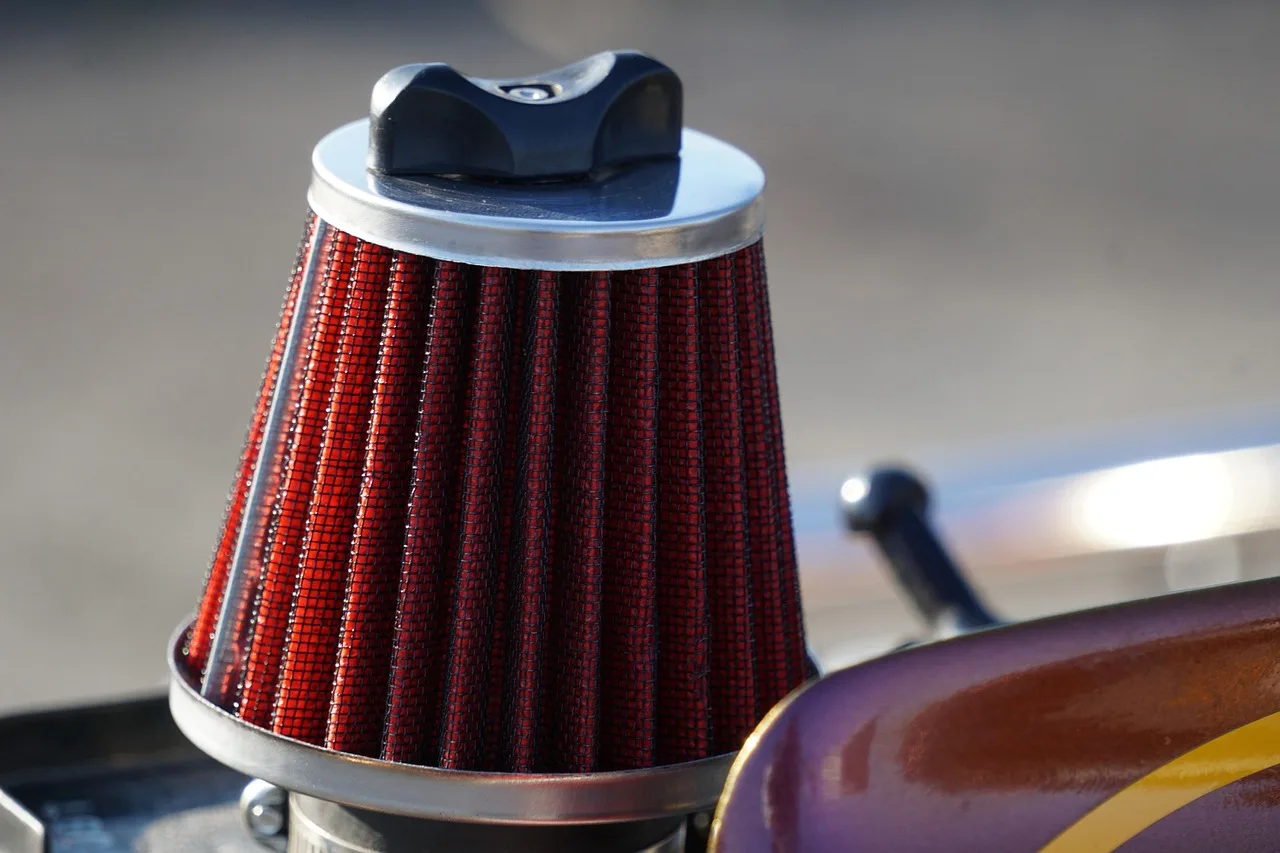
If the filter is caked with dirt, change it. If it looks clean or only slightly dirty, it may still be fine for now. The simple rule is that visible dirt alone is not enough; what matters is whether the paper or fiber media is clogged enough to block light and airflow.
Replace now versus inspect later
Replace now if the filter is dark, packed with debris, or sheds dirt when tapped gently. Inspect later if the media still shows open, usable surface area and light passes through it unevenly but clearly. Do not try to clean every filter as if all types are reusable; many are meant to be replaced, not washed.
Short inspection intervals help on vehicles used for towing, city traffic, or dusty routes. Those patterns load the filter faster than a calm highway commute, so the safe move is to shorten the inspection cycle and keep the replacement trigger tied to actual condition.
Can I replace my car air filter myself?
Yes, many engine air filters are simple DIY jobs. The filter is under the hood, and the cover is usually opened by removing snaps or clips. Still, you should use the owner’s manual to confirm the exact filter location and the correct replacement part before you buy or install anything.
What the owner’s manual should tell you
The manual is the vehicle-specific reference for filter location, part number, and interval. That matters because intake boxes vary by model, engine, and trim. The manual also tells you whether the service access uses snaps, clips, screws, or a different layout.
For many owners, the time involved is short, but the details matter. A filter installed backward, a cover not fully latched, or the wrong part reference can create the very airflow problems you were trying to avoid.
Frequently asked questions
How often should you change your engine air filter?
The engine air filter should follow the vehicle’s use pattern. Many manufacturers list 15,000-30,000 miles, but dirty roads may call for service around 15,000 miles, while mostly highway or city use can stretch closer to 30,000 miles. Check condition during routine service.
How often should you change your cabin air filter?
The cabin air filter does not use the same interval as the engine air filter. Its schedule depends on the vehicle and environment, so the owner’s manual is the best source. Dusty, pollen-heavy, or urban conditions often shorten the interval compared with mild use.
What mileage should I change my air filter at?
For most drivers, 15,000-30,000 miles is the common replacement range. Choose the lower end if you drive on dirt roads, idle often, tow, or deal with heavy dust. Choose the higher end if your driving is mostly highway or light city commuting.
Does driving on dirt roads mean I need to change my air filter sooner?
Yes. Dirt roads can load the engine air filter much faster, and many manufacturers place the replacement point around 15,000 miles for that kind of use. Heavy dust, gravel, and unpaved routes all increase the chance that the filter will need earlier replacement.