What Is the Air Filter for in a Car?
The engine air filter helps clean intake air before it reaches the cylinders. It traps dust and debris, and it is commonly replaced when it looks dirty or at the interval listed in the owner’s manual, often about every 15,000 to 30,000 miles. A clogged or missing filter can lower fuel economy, cut power, and may allow abrasive grit to wear engine parts. This guide explains what it does, where it sits, how it differs from the cabin air filter, and what changes when it gets dirty.
How the air filter cleans intake air
The air filter for a car keeps dirt, dust, leaves, and other debris out of the engine’s intake air. Clean air matters because the engine needs the right mix of air and fuel for combustion, and the filter helps keep abrasive particles away from parts that should see only clean air.
In many cars, this filter is part of the engine air cleaner assembly under the hood. It protects engine internals, supports combustion efficiency, and helps the engine management system work with steady airflow instead of grit-laden air.
How the engine air filter works
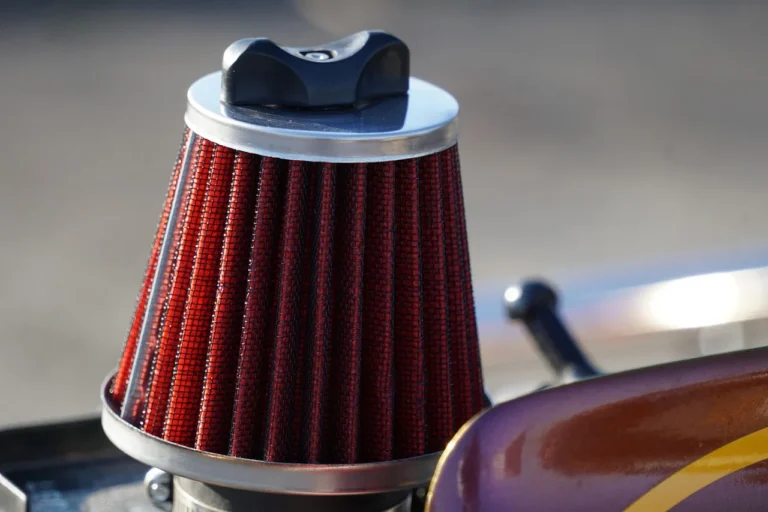
The filter element is usually made of paper, foam, or cotton media folded into an accordion shape. Those folds increase the surface area, so the element can trap particles as small as a few microns while still letting air pass through.
Air flows from the outside intake, through the filter media, and then into the intake tract. The cleaned air travels through a hose or duct toward the intake manifold, where it mixes with fuel before combustion.
That is why a filter is not a cosmetic part. It is a barrier between outside air and the engine’s moving parts, and it is the first line of defense for intake air.
What the filter protects inside the engine
The main function of a car’s air cleaner is to filter dust, debris, and harmful particles from incoming air. That matters because dirt inside the cylinders can speed up wear on piston rings, cylinder walls, valves, and related airflow sensors.
Clean intake air also helps the engine burn fuel more consistently. That can support fuel economy and emissions control, but the gain depends on the rest of the intake system being healthy and the filter being replaced at the right time.
| Air filter purpose comparison table | Engine air filter | Cabin air filter | Common confusion points |
|---|---|---|---|
| What it filters | Dust, debris, and harmful particles from incoming engine air | Dust, pollen, and other particles from air entering the cabin | People often think the cabin filter affects engine power, but it does not |
| Where it is located | Under the hood inside the air cleaner box or housing | Inside the HVAC system, usually behind a glove box or under a trim panel | Both are called air filters, but they sit in different systems |
| What happens when it is dirty | Airflow can be restricted, which may reduce power and hurt fuel economy | Cabin airflow can weaken, and odors or dust may increase inside the vehicle | A weak vent blast is often blamed on the engine intake when the cabin side is the real issue |
| Does it affect engine performance or cabin air quality? | Yes, it can affect engine performance, combustion, and emissions control | Yes, it affects cabin air quality, not engine performance | AC complaints often point to cabin airflow or HVAC filters, not the engine air filter |
Where is the air filter located?
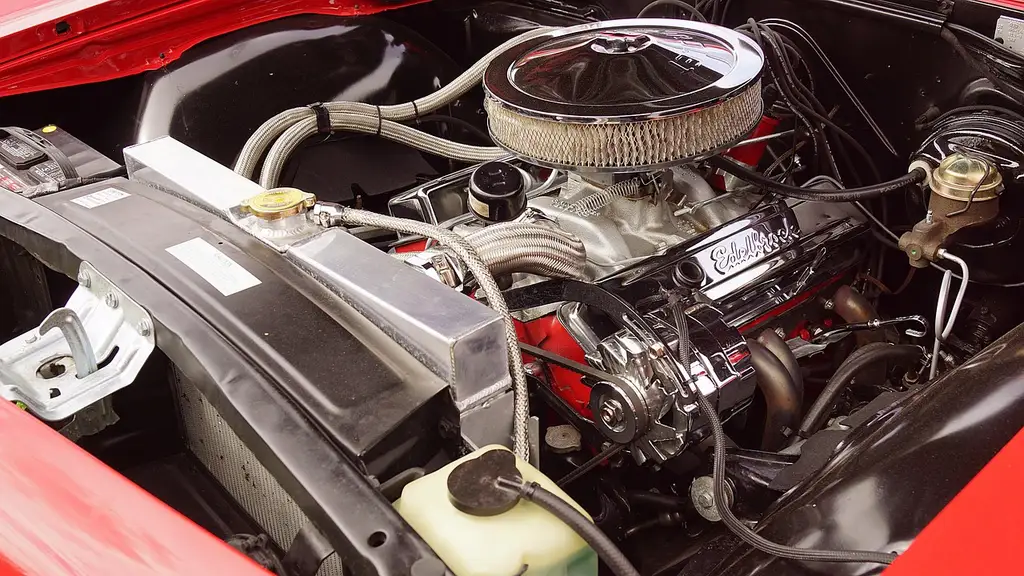
The engine air filter is almost always under the hood. It sits inside a box-like or cylindrical air cleaner housing in the engine compartment, and that housing connects to the intake manifold through a rubber hose or duct.
If you are searching for the air cleaner in a car, look for the enclosure that feeds the engine’s intake system. It is not the same as the cabin filter, and it is not part of the AC vents you feel inside the vehicle.
How to spot the air cleaner box
The air cleaner housing usually has a large intake tube attached to it and often sits near one side of the engine bay. The lid may be held on by clips, screws, or fasteners, and the filter element sits inside that housing.
On many vehicles, the box looks like a black plastic container. The shape may be rectangular or round, but the job is the same: hold the replaceable filter element and route clean air into the engine.
What the intake hose or duct connects
That hose or duct carries filtered air from the air cleaner to the intake manifold. If the hose is loose, cracked, or missing, unfiltered air can bypass the filter and reach the engine.
Suppose a compact sedan has a split intake duct after a rodent chewed through it. The filter may still look clean, but the engine can still ingest dirty air because the housing is no longer sealed.
What happens when the filter is dirty?
A dirty engine air filter can restrict airflow, which may make the engine feel lazy under acceleration and can reduce fuel economy. If the filter is missing, torn, wet, or poorly seated, the engine can take in dirt directly, and a damaged housing can make the problem worse.
Some symptoms are subtle. Others are obvious. The key is to separate a filter restriction from a cabin air complaint or an AC airflow problem, because those point to different parts of the vehicle.
Restricted airflow and drivability clues
When the filter is packed with debris, the engine may get less air than it needs. That can cause sluggish throttle response, higher intake vacuum, and a sound that feels more muted than normal during hard acceleration.
Do not expect every dirty filter to trigger a warning light. Many do not. The better clue is a pattern: weaker airflow through the intake, reduced performance under load, and a filter surface loaded with dirt.
Missing or badly seated filter symptoms
A missing filter, or one that is not seated correctly, leaves a gap in the intake path. In that case, the engine may pull in unfiltered air and the inside of the housing may show dust tracks or debris past the sealing edge.
A common first-timer mistake is reinstalling the lid without checking that the filter frame sits evenly in its groove. If the cover is clipped down on a crooked element, the seal can leak even though the box looks closed.
Damaged housing or open intake risks
If the air cleaner housing is cracked, open, or not latched, the intake can draw dirty air around the filter. That can also create a whistling sound, a rough idle feeling in some cases, or obvious contamination inside the box.
Water is another concern. A wet or soaked filter can collapse, block airflow, or let the media deform. If the housing or intake duct is damaged, fix that problem before installing a new filter.
Simple diagnostic checklist for the filter and housing
- Open the air cleaner box and inspect the filter surface for heavy dust loading.
- Check for tears, collapsed pleats, or broken end seals.
- Make sure the filter sits flat in its channel and does not tilt.
- Inspect the housing for cracks, missing clips, or warped edges.
- Confirm the intake hose or duct is attached and not split.
- Look for dirt bypass marks around the filter perimeter.
- Replace the filter if it is wet, damaged, or visibly clogged.
How often should you inspect or replace it?
Inspect the engine air filter about every 6,000 miles or at every oil change, then shorten that interval if you drive in dust, tow often, or spend most of your time in stop-and-go city traffic. Replacement is often around 2 years or 20,000-25,000 miles, whichever comes first, but driving conditions and filter quality can change that timeline.
A service schedule is not universal. A dusty work route will load a filter faster than steady highway use, and short trips can make maintenance easier to miss because the engine may still feel normal.
Inspection interval and driving conditions
Regular inspection matters because a filter can look acceptable from the outside while still being loaded with fine dust. If you drive on gravel roads, in heavy traffic, or in areas with frequent construction, check it sooner than the basic interval.
City driving and short trips usually mean more stops, more idling, and less steady airflow through the intake. Towing can also increase engine load, so a marginal filter may become a problem sooner.
Replacement mileage and time ranges
That is a general service range, not a promise, because some filters reach their limit much sooner and others last longer depending on the vehicle and environment.
Modern vehicles usually have an engine air filter, while electric cars do not need one for engine intake because they do not have internal combustion engines. That is why EV service needs differ from gasoline and diesel schedules.
What to do if the filter looks early or late
If the filter appears dirty well before the suggested mileage, replace it. If it still looks fairly clean at the interval, inspect the housing and follow the owner’s manual rather than guessing based only on mileage.
That is the safest rule: inspect on schedule, then replace based on condition and service history. Dust load, filter material, and how well the housing seals all matter.
What does replacement cost?
A new air cleaner for a car costs between $20 and $70, and labor for air filter replacement ranges between $25 and $100. The bill depends on vehicle layout, parts access, and whether the filter is easy to reach or tucked under other components.
If the housing is damaged or the intake duct needs attention, the total can rise. The filter itself is usually not the expensive part; access is what changes the bill.
Filter part price range
Basic replacement filters are usually the least expensive part of the service. Paper elements tend to be the common low-cost choice, while some vehicles use more specialized shapes or housings that push the price higher.
Part cost also changes by vehicle design. A compact engine bay may make the filter easy to swap, while a tightly packed layout can add time and labor.
Labor price range and access
Labor costs for air filter replacement range between $25 and $100. The lower end usually fits simple, quick-access housings, while the higher end tends to fit vehicles with crowded engine compartments or harder-to-remove covers.
Because access varies so much, two vehicles can need the same filter but produce very different bills. That is why the service estimate matters more than a single national average.
Frequently asked questions
What is the air filter for in a car?
The air filter keeps dust, debris, and harmful particles out of the air that enters the engine. Clean intake air helps combustion, protects engine parts from abrasive wear, and supports fuel economy and emissions control when the rest of the intake system is in good shape.
What is the engine air filter for in a car?
The engine air filter is the replaceable element inside the air cleaner housing under the hood. It catches fine particles before they reach the cylinders, so the engine gets cleaner air for combustion instead of dirt that can damage internal parts over time.
What is the cabin air filter for in a car?
The cabin air filter cleans the air that enters the passenger compartment. It affects cabin air quality and HVAC airflow rather than engine performance. If your vents blow weakly or the cabin smells dusty, the cabin filter may be the part to inspect first.
What is the air cleaner in a car?
The air cleaner is the box-like or cylindrical housing in the engine compartment that holds the filter element. It is almost always under the hood and connects to the intake manifold through a rubber hose or duct that carries filtered air to the engine.
Do I need an air filter in my car?
Yes, a gasoline or diesel car needs an engine air filter to keep intake air clean. Without it, the engine can pull in dirt directly. Electric cars do not need this part for engine intake because they do not have internal combustion engines.
What happens if you don’t have an air filter in your car?
If the engine runs without an air filter, it can ingest dust and debris that wear internal parts and contaminate the intake system. You may also see reduced performance, rougher operation, and faster buildup of dirt inside the housing and intake tract.
What is the air filter on a car for?
The air filter on a car is for cleaning the incoming air before it reaches the engine. It is a simple but important part of the intake system, and it is different from the cabin air filter that cleans the air you breathe inside the vehicle.