How Often Should Spark Plugs Be Replaced?
Replace spark plugs at the interval in your owner’s manual. A common service window is about 30,000 to 100,000 miles, and the exact figure depends on plug type and engine design. Waiting too long can cause misfires, a rough idle, poor fuel economy, hard starts, and ignition-coil damage. This guide explains the mileage rules, early-replacement warning signs, and when the manual should override generic advice.
Spark plug replacement timing
Start with the owner’s manual. If it lists a mileage or time interval, use that schedule first, and treat mileage ranges as backup when service history is unclear. Replace sooner if the plugs are fouled, the engine misfires, or the plugs have already passed the written interval.
Use the written schedule first
The maintenance schedule can be found in the owner’s manual, and a separate Warranty and Maintenance brochure may list the interval. That matters because replacement intervals depend on the vehicle. Dealer advice can be too early if it conflicts with the written schedule.
If the schedule says to change plugs at a certain mileage, treat that as the decision point, not a guess. Generic advice helps only when the book is missing or the service record is incomplete.
How often should spark plugs be replaced?
How often should spark plugs be replaced depends on plug type and engine design. Conventional spark plugs usually need replacement every about 30,000-50,000 miles, while long-life plugs with platinum or iridium tips usually last about 60,000-150,000 miles. Some engines fall outside those ranges, so the manual stays primary.
Conventional plugs
Conventional spark plugs wear faster than long-life plugs. Their typical interval is 30,000-50,000 miles. That range is a planning tool, not a universal rule, because combustion chamber shape, ignition strategy, and heat control all affect wear.
Long-life plugs
Long-life spark plugs, including iridium- or platinum-tipped designs, usually run 60,000-150,000 miles. The wide span matters. One engine may ask for a change near the lower end, while another can go much farther on the same style of plug.
Why vehicle design changes the schedule
Replacement intervals depend on the vehicle. Some engines place the plugs in easy-to-reach positions, while others bury them under intake parts or deep in the cylinder head. Easy access does not mean a longer life; it only changes labor.
A common 4-cylinder plug job may take 0.8-1.2 hours of labor. Some V6 engines can require intake-manifold removal, and that labor can rise to 1.5-2.5 hours. That is one reason the same plug type can cost very different amounts to replace.
When should you replace spark plugs early?
Replace spark plugs early when symptoms, fouling, or service history point to wear. Short-trip driving can shorten plug life because the engine may not fully warm up. If the engine misfires, runs rough, or the plugs show black oily deposits, do not wait for the next mileage milestone.
Short-trip driving
Short-trip driving matters because the engine may not fully warm up. That can leave deposits on the plug and shorten service life. A car used for repeated five-minute errands can need attention sooner than the same engine used for longer highway trips.
Misfire and rough running
An engine misfire means one cylinder is not firing properly. That can show up as a shaky idle, stumble on acceleration, weak power, or hard starting. Poor gas mileage can follow, because worn spark plugs can cause poor gas mileage when combustion is weak or inconsistent.
Say your sedan idles smoothly for a few seconds, then starts shaking at a stoplight and feels flat on acceleration. That pattern fits a plug that is failing under load, and it is a reason to replace now instead of waiting for the next service visit.
Fouling, oil deposits, and overheating
A fouled spark plug can show black oily deposits, and black oily deposits indicate oil in the combustion chamber. That is not a normal wear pattern. Overheating damage is also a replace-now signal, because old healthy plugs should not show heat damage or blistering.
Suppose a plug comes out wet with black oil and the engine has been using oil between changes. The plug should be replaced, and the oil source should be checked. The plug itself will not recover from fouling.
Spark plug decision table
Use this table when you need a fast decision. The mileage range is the backup, but symptoms and service history decide whether to wait or replace now.
| Vehicle type / plug type | Mileage interval in miles and km | Early-replacement triggers | Wait / replace now |
|---|---|---|---|
| Cars and trucks with conventional plugs | 30,000-50,000 miles; about 48,000-80,000 km | Shaky idle, stumble on acceleration, misfire, poor fuel economy, short-trip use, fouling | Wait if the manual says the plugs are still in range and there are no symptoms; replace now if symptoms, fouling, or overdue service records appear |
| Cars and trucks with long-life platinum or iridium plugs | 60,000-150,000 miles; about 96,000-240,000 km | Misfire, hard starting, rough running, black oily deposits, overheating damage | Wait if the plugs are within the written schedule and the engine runs cleanly; replace now if the vehicle is overdue or the plugs show damage |
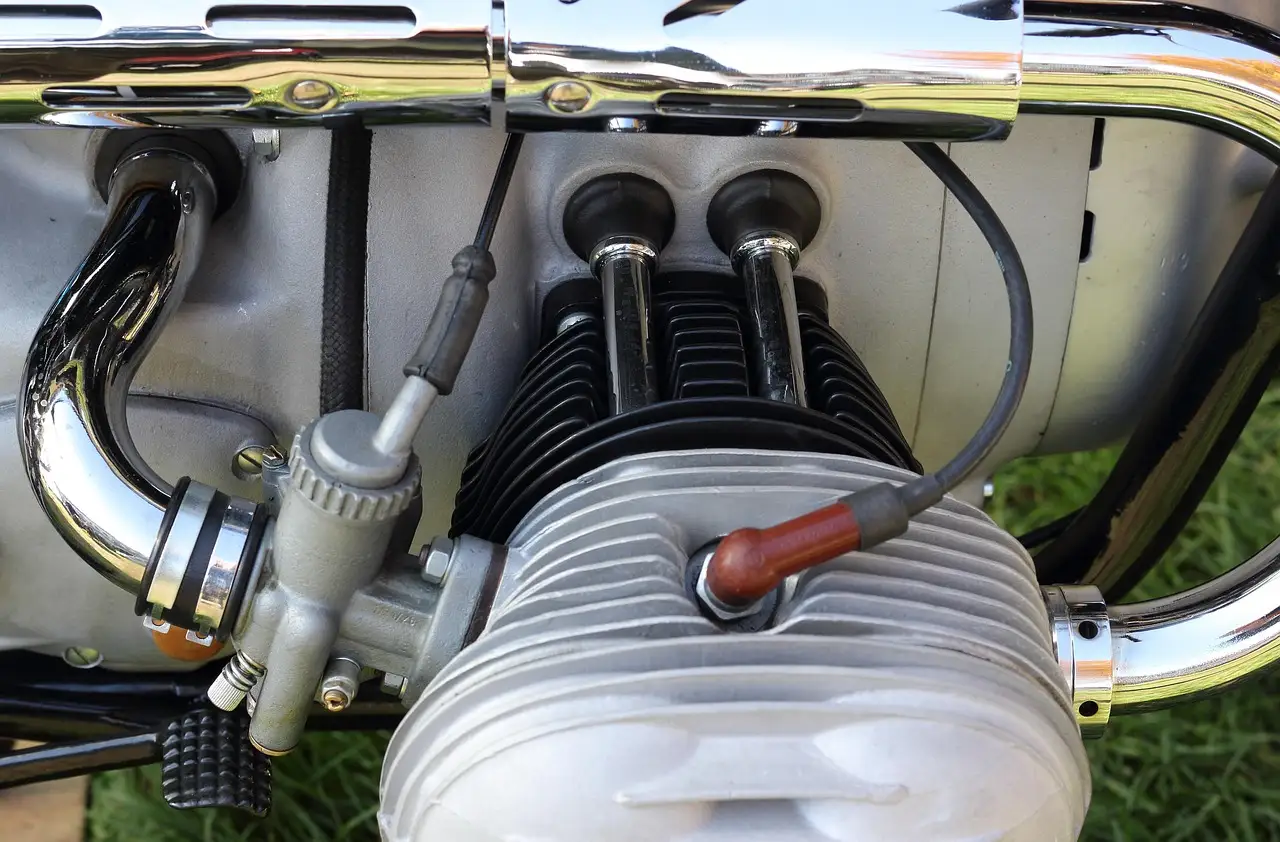
| Motorcycles | Use the owner’s manual; many single-cylinder and twin-cylinder engines use shorter service windows than long-life car plugs | Cold starts, misfire under throttle, plug fouling from short trips, storage-related deposits | Wait only if the manual’s interval is still current and the bike starts and pulls cleanly; replace now if the plug is fouled or the bike is overdue |
| Lawn mowers | Use the engine manual; service is often tied to seasonal maintenance, not car-style mileage | Hard starting, rough idle, fuel smell, black deposits, repeated storage between uses | Wait if starting and running remain normal and the maintenance schedule is current; replace now if deposits, misfire, or age-related service history point to wear |
How do you read plug wear?
Read plug wear by looking for normal color versus damage. Light tan or grayish deposits can be normal. Black oily deposits, melted edges, blistering, or heavy fouling mean the plug is no longer in healthy service and should be replaced.
Normal wear
A plug in normal condition usually shows even wear on the electrodes and no heavy deposits. That does not mean it lasts forever. It only means the plug has not yet crossed into a fault pattern that forces immediate replacement.
Black oily deposits
Black oily deposits indicate oil in the combustion chamber. That points to a bigger engine issue, but the plug itself must still be replaced. Cleaning may not restore a fouled plug to dependable service.
Hot, damaged, or overheated plugs
Overheating damage suggests a hot cylinder or a lean mixture. A plug with melted electrodes, glazed porcelain, or heat damage is not a wait-and-watch item. Replace it now and check why the cylinder ran hot.
What happens if plugs stay in too long?
Old plugs can cause misfire and power loss, lower fuel economy, and extra stress on ignition components. An overdue plug can make the engine work harder to fire the mixture, and that can bring coil problems into the picture as well.
Misfire and power loss
When the spark weakens, the cylinder may stop firing cleanly under load. That creates hesitation, rough idle, and reduced power. In severe cases, the driver feels a steady shake or a flashing-check-engine condition tied to misfire.
Fuel economy drop
Worn spark plugs can cause poor gas mileage. That happens because incomplete combustion wastes fuel and forces the engine control system to work around an unstable spark event. A driver may notice the change before a warning light appears.
Ignition coil stress
Old spark plugs can make the ignition coil work harder. That does not mean every overdue plug damages a coil, but it raises the risk. If the plugs are far past the interval, replace them before diagnosing a coil fault as the only problem.
Should plugs be replaced as a set?
Yes, spark plugs are usually replaced as a set. Matched service keeps cylinder output consistent and avoids chasing one weak cylinder after another. If one plug is failed, the others are often at a similar age and near the same wear point.
Why matched service matters
Replacing one plug alone can leave the engine with mixed ages and mixed wear. That makes diagnosis harder and can preserve an uneven idle or hesitation. A full set is usually the cleaner choice when the interval has been reached.
When one bad plug changes the plan
If one plug is fouled, damaged, or far outside the schedule, inspect the rest before deciding. One failed plug can mean the whole set is due, especially if the plugs share the same mileage and the same service history.
Frequently asked questions
How often should spark plugs be replaced in a car?
For a car, start with the owner’s manual. If the car misfires, idles rough, or shows fouling, replace them sooner.
How often should spark plugs be changed in km?
Convert the manual’s mileage into kilometers if needed. Conventional plugs at about 30,000-50,000 miles equal about 48,000-80,000 km, and long-life plugs at about 60,000-150,000 miles equal about 96,000-240,000 km. The written schedule still comes first.
How often should spark plugs be changed on a motorcycle?
Motorcycle intervals vary more by engine family than by brand name alone. Use the motorcycle’s manual and watch for hard starting, misfire under throttle, and storage-related fouling. Short trips and repeated cold starts can shorten plug life.
How often should spark plugs be changed in a lawn mower?
Lawn mower spark plugs are usually tied to the engine manual or seasonal service plan rather than car-style mileage. Replace them when hard starting, rough running, heavy deposits, or age-related service history point to wear. Many small engines use simple, inexpensive plugs.
How often should spark plugs be changed in a subaru?
Use the Subaru maintenance schedule, not a generic guess. Subaru engines can vary in plug access and labor time, so the interval and labor cost depend on the exact engine. If the plugs are overdue or the engine misfires, replace them now.