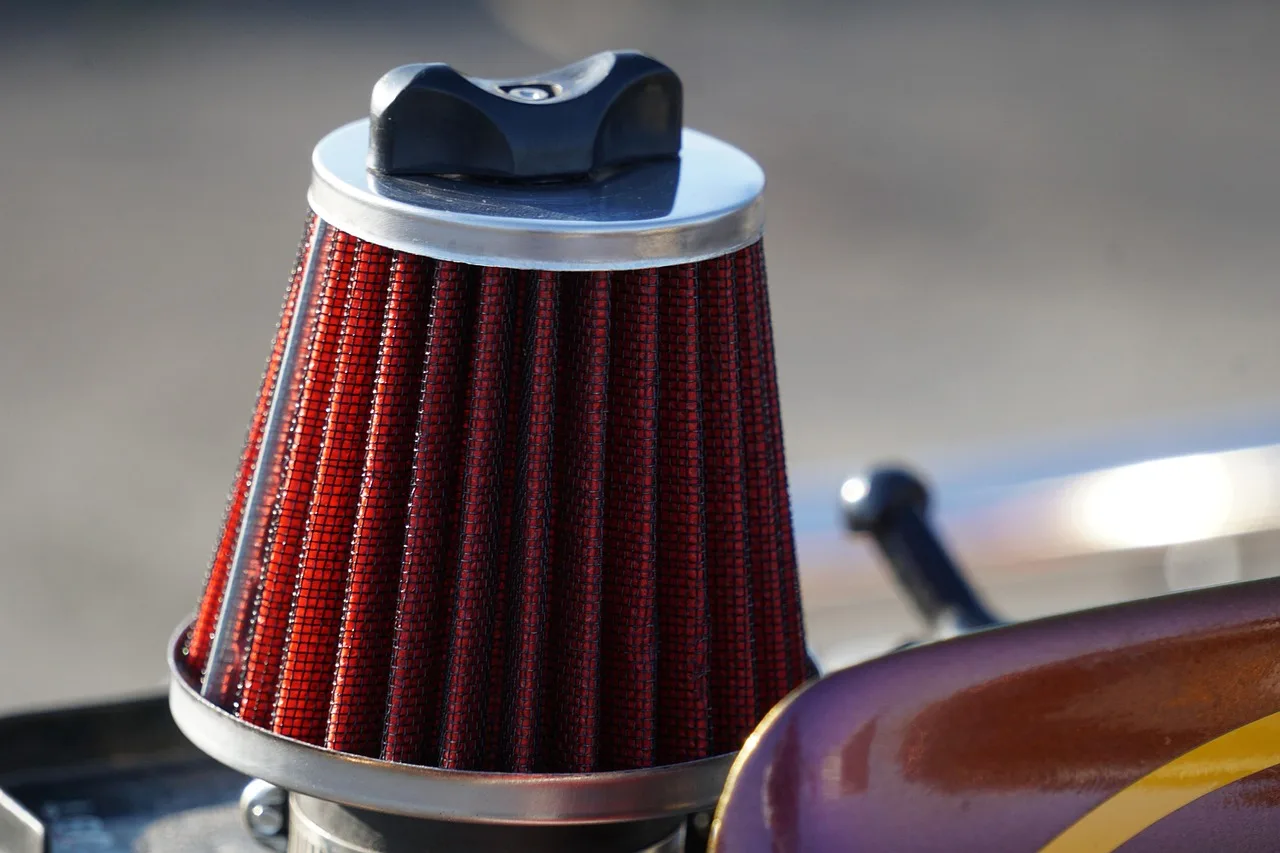
Engine Air Filter vs Cabin Air Filter: What’s the Difference?
The engine air filter cleans air entering the engine, and the cabin air filter cleans air entering the HVAC system. Check the engine filter first for poor mpg, reduced power, lazy throttle response, or rough running. Check the cabin filter first for weak airflow, odors, or dust inside the cabin. Replacing the wrong one wastes money and leaves the real problem unchanged. This guide shows how to tell them apart, where each sits, and which one to inspect first.
This guide is part of our Air filters for cars: engine vs cabin air filter series.
| Decision factor | Engine air filter | cabin air filter | Winner |
|---|---|---|---|
| Primary job | Cleans intake air for combustion and protects engine components from abrasive dirt. | Cleans air entering the passenger cabin and HVAC system. | tie |
| Typical location | Under the hood in the intake housing. | Often behind the glove box or inside an HVAC duct housing. | Engine air filter |
| Main contaminants | Sand, road dirt, gravel dust. | Pollen, mold spores, exhaust particulates, fine road dust, smoke, PM2.5. | cabin air filter |
| Common symptoms when dirty | Poor mpg, reduced horsepower, lazy throttle response, rough running in some cases. | Weak vent airflow, slower heating and cooling, lingering odors. | tie |
| Access and inspection | Open the intake housing under the hood; inspect without touching unrelated trim. | Remove the glove box or an access cover only if the vehicle uses one; some models hide it in the duct housing. | Engine air filter |
| Replacement logic | Usually longer service life because it has larger dust holding capacity. | Often shorter service life in high-pollen or dusty areas. | Engine air filter |
Which filter to replace based on your symptom?
These parts do different jobs, and one cannot replace the other. The engine air filter feeds clean air to the intake, while the cabin air filter cleans the air you breathe inside the vehicle. If the complaint is under the hood, start at the engine filter. If the complaint is inside the cabin, start at the cabin filter.
Primary trade-off
The engine filter matters most for combustion quality and engine protection. The cabin filter matters most for air quality, smell control, and vent output. That split is why a buyer can replace the wrong part and still keep the same symptom.
Say your sedan has weak center vents and a stale smell after rain. Start with the cabin filter. Suppose your truck feels flatter on a highway merge and fuel use has crept up after months on dusty roads. Start with the engine filter.
Air filter
This comparison gives the practical split most owners need: where each filter lives, what it traps, what goes wrong when it clogs, and which one to inspect first based on the symptom. The goal is to avoid removing trim you do not need to touch.
- Match the symptom to the side of the vehicle that actually handles that air.
- Check the easiest access point first.
- Inspect the filter before buying a replacement.
Engine air filter
The engine air filter sits under the hood in the intake housing. It protects the engine by cleaning air used for combustion, and it must handle strong vacuum suction as the engine pulls air through the intake.
Cabin air filter
The cabin air filter usually sits behind the glove box or in an HVAC duct housing. It protects passengers and the HVAC system, and it works with the blower motor’s lower pressure rather than engine vacuum.
Comparison details
Engine filters use deep, dense pleats with rigid support frames so they can hold more dust without collapsing under suction. Cabin filters are usually thin, flat rectangular panels with shallow pleats, and premium versions often add an activated carbon layer for odor control.
Activated carbon can help adsorb VOCs, exhaust fumes, and chemical odors. It is not used in engine air filters because it restricts airflow where high intake demand matters most.
What does the engine air filter do?
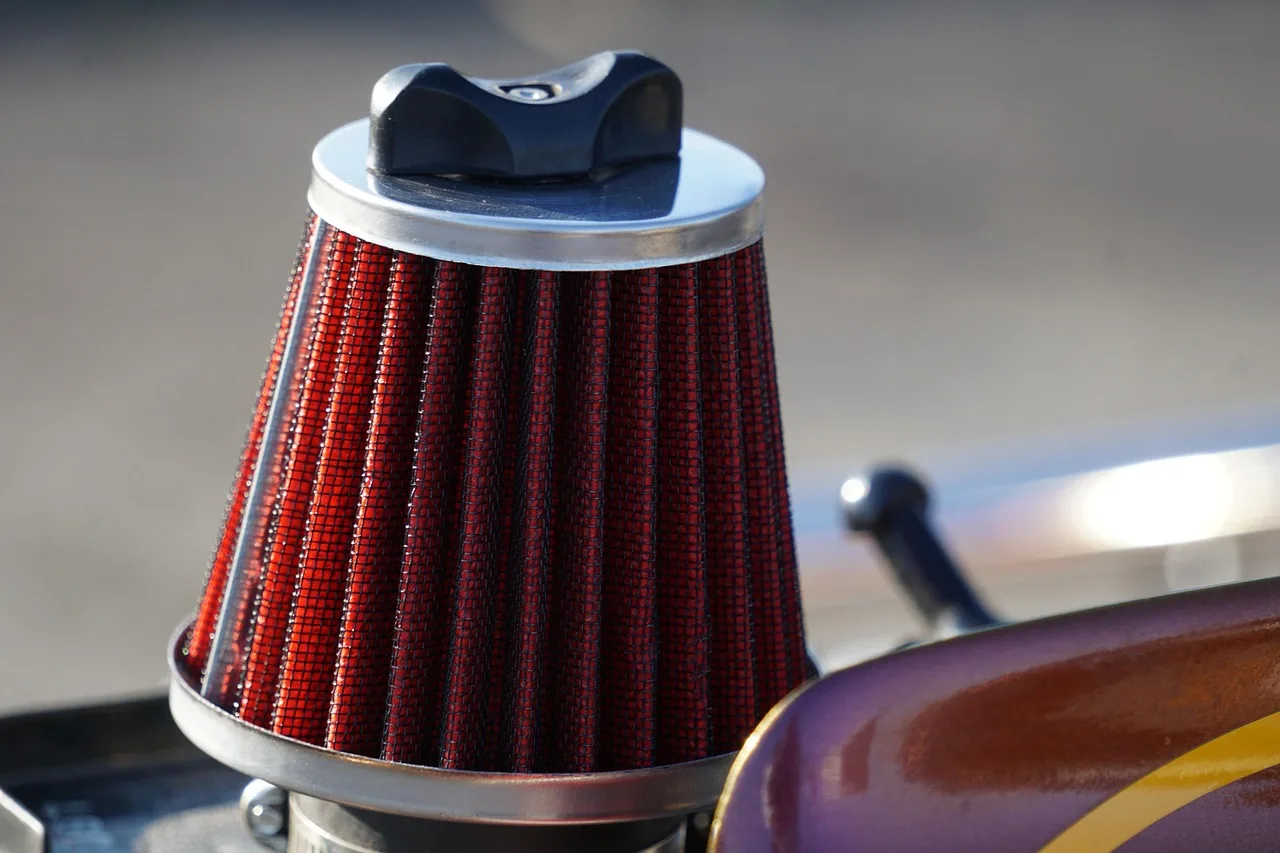
The engine air filter cleans air entering the intake so the engine can burn fuel with fewer abrasive particles in the cylinders and intake tract. It blocks coarse debris such as sand, road dirt, and gravel dust, which helps protect parts that would otherwise face accelerated wear.
Why deep pleats and a rigid frame matter
Engine filters need surface area and structure. Deep pleats increase dust holding capacity, and the frame keeps the media from deforming under high airflow and pressure differential. That design helps the filter keep working as dust loads up.
What happens when it gets clogged
A dirty engine filter can affect horsepower, throttle response, and fuel economy. It does not cause every driveability complaint. Misfires, sensor faults, and fuel system issues still need separate diagnosis.
If your engine feels dull only at wide-open throttle or highway speed, a restricted filter is worth checking early. If the check engine light is on with a rough idle, the filter may be part of the story, but it is rarely the only one.
Where is each filter located?
The engine air filter is installed under the hood in the intake housing. The cabin air filter usually sits behind the glove box or inside an HVAC duct housing. Access varies by model, and some cars make one of these far harder to reach than the other.
How access varies by model
Some vehicles let you open the engine intake box with a few clips. Others require moving a battery cover or duct. Cabin filter access can be just as uneven: some cars use a simple glove-box drop, while others place the filter deep in the HVAC case with only a small service door.
Some models may not have a cabin air filter at all. If the owner’s manual and service diagram do not show one, do not keep pulling trim in hopes of finding it.
How to inspect without removing unrelated trim
- Open the owner’s manual or filter access diagram first.
- Look for the intake box under the hood before removing any surrounding parts.
- For the cabin filter, check behind the glove box or the marked HVAC access panel only.
- Stop if the next step would require forcing clips or removing unrelated dash trim.
How do airflow and pressure differ?
Engine filters work on the intake side, where the engine creates strong vacuum suction. Cabin filters work with the HVAC blower motor, which supplies low positive pressure to move air through the cabin. Those different conditions explain the different shapes and support needs.
Engine intake vacuum and dust loading
The engine intake operates under high airflow demand and a strong pressure differential. That is why engine filters need rigid support and deeper pleats, and why they can usually hold more dirt before restriction rises sharply.
HVAC blower pressure and cabin filtration
The cabin side sees far less pressure stress, but the filter can still clog early in dusty or high-pollen areas. Cabin filters often load up faster because they trap smaller particles, including PM2.5 and smoke residue, that pack into the media sooner.
Choose Engine air filter if… / Choose cabin air filter if…
Start with the filter that matches the symptom and the airflow path. If the problem lives under the hood, inspect the engine air filter first. If the problem lives in the vents or cabin air, inspect the cabin air filter first.
Choose Engine air filter if…
- You notice poor mpg after driving on dusty roads.
- The engine feels less responsive at higher load or speed.
- You can open the under-hood intake housing quickly and see a dirty element.
- You want the first check for rough running that comes with reduced intake flow, before deeper diagnosis.
Choose cabin air filter if…
- The AC or heater airflow feels weak even though the fan sounds normal.
- You notice stale, smoky, or musty odors in the cabin.
- The car spends time in pollen-heavy, dusty, or traffic-heavy areas.
- The glove box or HVAC access panel gives you a fast inspection path.
When to inspect both filters
If the vehicle has both weak acceleration and weak vent airflow, inspect both filters. That is common on older vehicles or on cars driven in dust and heavy traffic. The symptom split still matters, but two dirty filters can exist at the same time.
How often should each air filter be replaced?
Follow the owner’s manual for the vehicle-specific interval. Most manufacturers tie service to mileage and driving environment, not one universal number. Dusty roads, repeated stop-and-go driving, and high-pollen conditions shorten both filters’ useful life, especially the cabin filter.
Replacement logic by environment
Engine filters often last longer because they have larger dust holding capacity. Cabin filters can clog faster in dusty or high-pollen areas because they trap finer material and smaller particles. If the filter looks loaded before the scheduled interval, replace it early rather than waiting for the next service visit.
Cost comparison
Both parts are usually low-cost maintenance items compared with major repairs, but labor can differ. Engine filter swaps are often simple. Cabin filter swaps can take longer on vehicles with tight access, so the job may cost more when the filter sits deep behind the glove box or inside the HVAC case.
Can a dirty cabin air filter affect AC airflow?
Yes. A dirty cabin air filter can reduce vent airflow and make heating or cooling feel weaker, even when the blower motor still runs normally. It does not fix mechanical AC faults, but it is one of the first places to check when airflow drops without other obvious symptoms.
What it cannot do
A clogged cabin filter will not repair a failed compressor, low refrigerant, or a blend-door problem. It only affects the air path. If the blower is strong but the system still cools poorly, a filter check is only one part of the diagnosis.
Can a dirty engine air filter affect fuel economy?
Yes. A dirty engine air filter can affect fuel economy because it restricts intake flow and can change how efficiently the engine breathes under load. It may also reduce horsepower and throttle response. It will not cure or create every MPG complaint, but it is a sensible early check.
Can one filter substitute for the other?
No. Engine and cabin air filters are not the same part, and one cannot do the other’s job. Engine filters are built for intake protection and airflow under suction. Cabin filters are built for passenger air quality and HVAC airflow under a blower.
Why substitution fails
An engine filter used in the cabin path may not fit the housing, and a cabin filter used in the intake path would not hold up to the pressure differential or dust load. Even if a part slides into place, the design goal is wrong for the system.
Frequently asked questions
Are the engine air filter and cabin air filter the same thing?
No. The engine air filter cleans air for combustion, while the cabin air filter cleans air entering the HVAC system for passengers. They are different parts, usually in different locations, and they use different media and frame designs. Treat them as separate maintenance items.
How often should each air filter be replaced?: use the owner’s manual?
Use the owner’s manual for the correct interval, since there is no single mileage that fits every vehicle. As a practical rule, dusty roads, heavy pollen, and stop-and-go traffic shorten service life. Inspect sooner if airflow, MPG, or odor changes before the scheduled date.