Tires: How to Choose Safe Tires for Your Car
Choose replacement tires by matching your door-jamb size and load index exactly, meeting or exceeding the original speed rating, and using 3PMSF winter tires when roads stay below 45°F. Get it wrong and you risk longer stopping distances, poor hydroplaning resistance, overloaded tires, warranty trouble, and a tire your car’s ABS and stability control were not calibrated for. This guide gives you a safety-first buy/no-buy checklist using sidewall codes, climate, load needs, towing weight, and light-trail use.
Start with the vehicle placard
Where to find the correct tire information
Check the sticker on the driver-side door jamb first, then open the owner’s manual to the tire and loading section. Those are the vehicle maker’s fitment references, and they matter more than the tires currently on the car. An older tire may already be the wrong size, wrong load rating, or an unapproved substitute fitted by a prior owner or shop.
The placard usually lists the original tire size, cold inflation pressure, and sometimes different front and rear specs. The owner’s manual may add approved alternates, snow-tire guidance, and load-related instructions for towing or carrying heavy cargo.
What the placard and owner’s manual tell you
Use those two sources to set the non-negotiables before browsing any product page:
- Original tire size.
- Required load capacity.
- Original speed rating or approved equivalent.
- Any alternate size approved by the vehicle maker.
- Special notes for winter use, towing, or truck load range.
If the vehicle manual lists more than one approved size, compare only within those approved options. Do not assume a close-looking size is acceptable because the sidewall numbers are similar.
Why the old tire may not be the right reference
A common first-timer mistake is copying the numbers off the old sidewall without checking the placard. If the car should wear 235/65R17 and the used car came with a different size, every later choice built from that bad starting point stays wrong.
That matters because tire fit is more than whether it physically mounts. A mismatched size can change load capacity, speedometer accuracy, fender clearance, and how braking and stability systems react.
📊 Consumer Reports says cars typically use load index values ranging from 75 to 100. Source: Choose the Right Tires for Your Vehicle.
How do you know what tires fit your car?
The correct fit starts with the placard size, then moves through the owner’s manual for any approved alternate sizes. A tire fits safely only when section width, aspect ratio, and rim diameter match an approved specification, and when the tire also meets the vehicle’s load, speed, and application requirements.
Reading tire size: width, aspect ratio, and rim diameter
Take a size like 235/65R17 from your sidewall or placard. In that code, 235 means the tire is 235 millimeters wide, 65 means the sidewall height is 65% of that width, and 17 means it fits a 17-inch wheel. Those numbers set basic fit, and each one must match an approved spec. (Consumerreports)
- Section width: the tire’s nominal width in millimeters.
- Aspect ratio: the sidewall height as a percentage of the width.
- Rim diameter: the wheel diameter the tire is built to fit.
Change one number and you change the tire. A 235/65R17 is not the same fit as a 225/65R17 or a 235/60R17.
Matching original size versus approved alternate sizes
The safe default is simple: match the placard size. Use an alternate size only when the vehicle maker approves it in the manual or a qualified fitment source confirms it for that exact vehicle, wheel, load, and brake-clearance setup.
Suppose the placard lists 235/65R17 and an online listing suggests 245/65R17 because it is “close.” That is still a reject unless the vehicle maker or a fitment source approved for that vehicle says it is acceptable.
Fitment mistakes that make a tire a reject
Reject a tire if any of these show up:
- Rim diameter does not match the wheel.
- Size does not match the placard or an approved alternate.
- Passenger-car tire is substituted where a truck or SUV application needs a different overall spec or load range.
- Tire category conflicts with real use, such as a summer ultra-high-performance tire for regular cold-weather driving.
- Clearance, load, or towing requirements are uncertain.
What do tire size, load index, and speed rating mean?

Tire size tells you physical fit. Load index is the coded number after the size, such as 104 in 235/65R17 104H, and it states how much weight one tire can carry at its rated pressure. Speed rating tells you the tire’s maximum speed capability under rated load. A replacement is safe only when all three line up with the vehicle’s required use, not when one of them looks close.
Load index and why proper inflation matters
Load index is a hard safety filter. Consumer Reports says cars typically use load index values ranging from 75 to 100. Whatever your vehicle requires, the replacement tire must meet or exceed that capacity, especially for SUVs, trucks, heavy cargo, and towing.
The key condition is proper inflation. The stated load capacity assumes the tire is inflated to the needed pressure. An underinflated tire does not safely carry the same load, even if the sidewall shows the correct index.
Do not downgrade load index to save money or widen the list of choices. That is a reject for any vehicle, and an even firmer reject for towing, hauling, or truck use.
Speed rating: T, H, V, and winter-tire exceptions
Speed rating is also part of safe replacement. All-season tires are usually rated T, H, or V. Winter tires may be rated R or higher. Matching the original speed rating is the safe default because the vehicle was calibrated around a tire with that performance envelope.
A higher speed rating does not automatically make a tire better for every driver. It may change ride, wear, and category choices. What matters first is that the replacement meets or exceeds the original requirement unless the vehicle maker allows a winter-use exception.
Picture a sedan originally equipped with H-rated all-season tires. Swapping to a lower-rated all-season tire is the wrong move. Swapping to a properly approved winter tire with the right load capacity may be acceptable for cold-season use, but it needs careful confirmation from the maker’s guidance.
When a replacement is safe, borderline, or wrong
- Safe: approved size, equal-or-higher load index, original speed rating or approved winter-use exception, correct tire type for the climate.
- Borderline: approved size and load, but speed-rating exception needs verification from the manual or fitment guidance.
- Wrong: downgraded load index, unapproved size, cold-weather use on summer UHP tires, or a truck tire choice that ignores load range needs.
How should driving conditions change your tire choice?
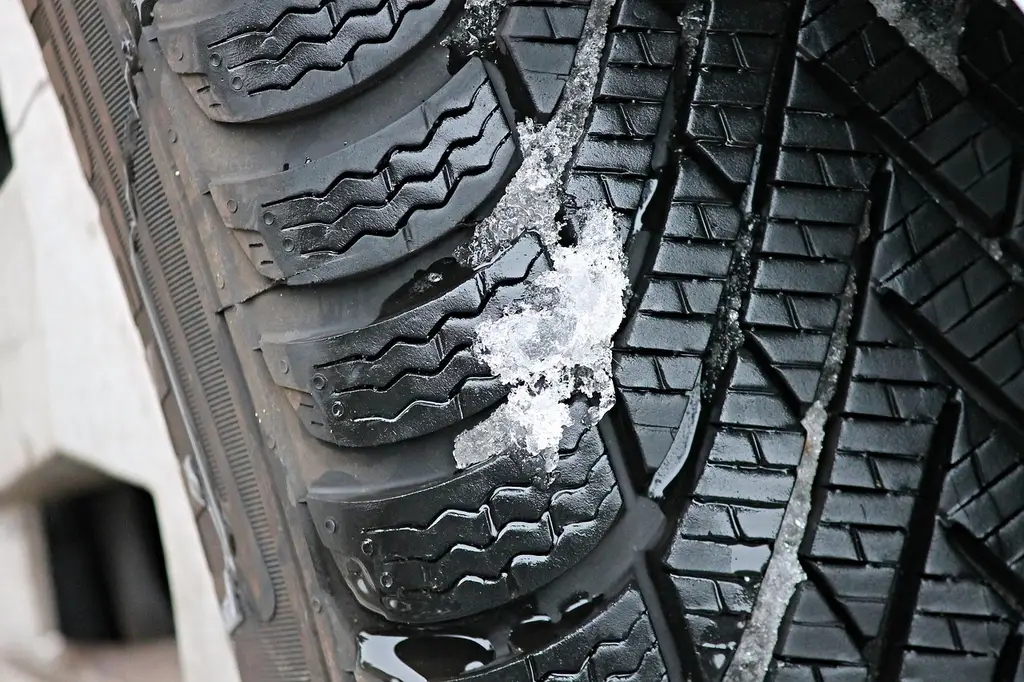
Driving conditions should narrow the list fast. Wet commuting, snow and ice, light off-road use, and towing each change what counts as a safe tire. Start with fitment and load, then pick the tire type that matches the hardest condition the vehicle regularly sees.
Wet and dry commuting
For a daily street car in mixed wet and dry conditions, an all-season tire is usually the practical baseline if winter weather is mild. That still does not mean any all-season tire will do. It must match size, load, and speed requirements, and it must suit the vehicle class.
If heavy rain is common, reject worn, unevenly worn, or older tires with uncertain storage history. Hydroplaning resistance is not something to gamble on with deep-looking but questionable used stock.
Snow, ice, and cold weather
All-season tires are not a blanket answer for winter. If roads often stay below about 45°F for long periods, or if the car regularly sees packed snow or ice, a 3PMSF winter tire is often the better filter to apply first.
Winter tires may be rated R or higher, and that can create confusion when the original all-season tire carried T, H, or V. The answer is not to ignore speed rating. It is to verify whether the winter setup remains approved for the vehicle and use case while still meeting load needs.
Light off-road use
All-terrain truck tires are suitable for paved roads and light off-road use. That makes them relevant for pickups and some SUVs that split time between pavement, gravel, and mild trails. It does not make them a free upgrade for every crossover.
If the vehicle mostly commutes on pavement and only rarely touches a dirt access road, an all-season SUV tire may still be the better choice. Extra off-road tread alone is not enough reason to accept more noise, more weight, or a spec mismatch.
Heavy loads and towing
Towing and heavy cargo turn load capacity into the first screen, not a footnote. Do not choose a lower load index than the vehicle requires. For trucks, check whether the application calls for a specific load range or higher-capacity construction, then keep the approved size and overall spec aligned.
Say your midsize SUV commutes all week but tows a small camper on weekends. The safe answer is not a softer passenger tire with the right size but lower load capacity. It is a tire that still fits the placard, meets the required load, and matches the real towing use.
Choose the right tire type
All-season, all-season SUV, and all-season truck
These are the broadest categories most owners compare. They work best when the vehicle lives on paved roads in mixed dry and wet weather, with only light winter duty unless the tire carries dedicated winter certification. Match the vehicle class. A truck or SUV application may need the version built for that load and use.
Ultra-high-performance tires
Ultra-high-performance tires suit vehicles designed around sharper dry and warm-weather handling. Summer UHP tires are not meant for cold weather. That single fact makes them an automatic reject for drivers who face sustained cold, snow, or freezing rain.
Do not assume a higher speed rating alone means the tire is the safer pick. Category still matters.
All-terrain tires
All-terrain tires fit the driver who truly mixes pavement with light off-road travel. They belong on the list when the vehicle sees gravel, ruts, trailheads, work sites, or unpaved access roads often enough to justify the tradeoffs.
If the real use is urban commuting with occasional bad weather, the safer choice may still be an all-season or winter setup that better matches those conditions.
Winter and snow tires
Dedicated winter tires belong in the conversation when cold weather, snow, or ice is a recurring condition rather than a rare event. Check the approved size, keep load capacity at or above requirement, and confirm the winter rating fits the vehicle’s guidance.
Tire decision matrix
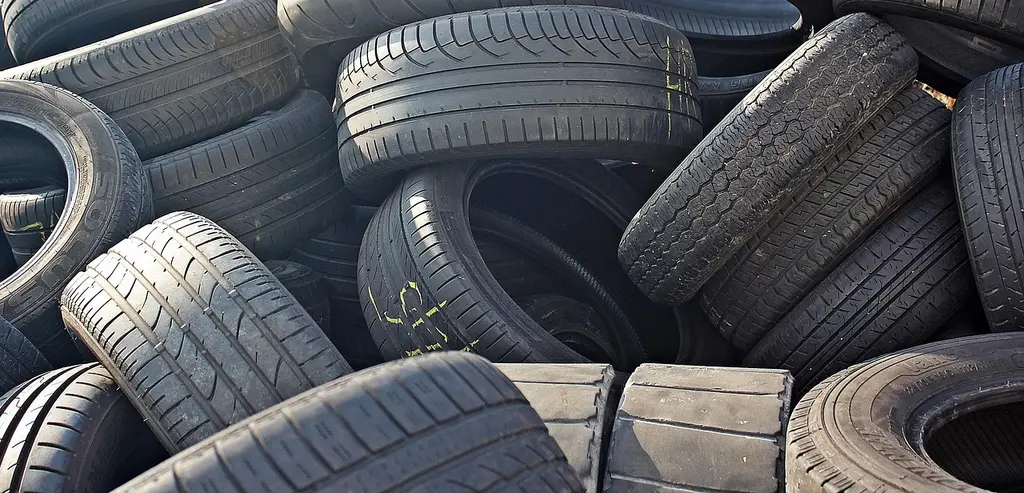
How to use the matrix
Start with your placard size, then use this matrix to rule tires in or out by climate, load need, and service use. The “minimum required load index” refers to the vehicle’s required index from the placard or manual. Never treat the matrix as permission to go lower.
| Vehicle use case | Climate | Load/towing need | Recommended tire type | Minimum required load index | Acceptable speed rating | Red-flag reasons to reject a tire |
|---|---|---|---|---|---|---|
| Compact or midsize car commuter | Mostly wet and dry, mild winter | Normal passenger load | All-season | Placard requirement; cars commonly fall in the 75 to 100 range | Match original; all-season choices are usually T, H, or V | Unapproved size, lower load index, lower speed rating, uneven wear, sidewall damage |
| Sedan or crossover in sustained cold weather | Snow, ice, frequent sub-45°F driving | Normal passenger load | Winter/snow with 3PMSF | Placard requirement | Approved winter rating; winter tires may be rated R or higher | Summer UHP tire, downgraded load index, unknown date code, old-stock tire with aging signs |
| Performance car used in warm seasons | Warm wet/dry, no cold-weather use | Normal load | Ultra-high-performance summer or all-season as vehicle requires | Placard requirement | Meet or exceed original rating | Cold-weather operation on summer UHP tires, unapproved alternate size, prior sidewall repair |
| SUV daily driver | Wet and dry roads, occasional light winter | Family and cargo load | All-season SUV | Placard requirement; do not downgrade for cargo use | Match original or approved equivalent | Passenger tire with insufficient capacity, vague “fits your vehicle” claim without placard match |
| Pickup or body-on-frame SUV | Pavement plus gravel or light trail | Tools, gear, occasional trailer | All-terrain or all-season truck, depending on actual use | Placard/manual requirement and any specified load range | Match original or approved equivalent | Lower load range, lower load index, road-only tire for repeated light-trail use, date code concerns |
| Commuter that tows on weekends | Mostly road use, mixed rain | Regular towing | All-season SUV or truck tire that meets towing requirement | At least placard requirement; no downgrades | Match original | Soft touring tire with lower index, used tire with repair history, mismatch across axle |
Use case rows and climate filters
The matrix works because it forces one clear question at a time. What is the vehicle? What weather does it actually see? Does it tow, haul, or touch unpaved roads? Once those answers are fixed, many tempting but unsafe options fall away on their own.
Minimum load and speed thresholds
Keep the threshold language strict. “Good enough” is not enough. A tire either meets the vehicle’s minimum load index and acceptable speed rating, or it does not. If the answer depends on guesswork, stop and verify fitment before buying.
Red-flag rejection reasons
Common rejects include unapproved size changes, lower load index, lower speed rating without a valid winter-use exception, visible damage, suspect age, uneven wear, or tire type that conflicts with the climate.
Are used tires safe?
Used tires can be safe only when fitment, age, condition, repair history, and wear all check out. Deep-looking tread alone is never enough. Any uncertainty about date code, sidewall condition, prior damage, or whether the tire was the correct application in the first place should push the answer to no.
Date code: how to read week and year
The tire manufacture date is shown as the last four digits on the DOT number. A tire made in the fourth week of 2024 would read 0424. That code matters because older or long-stored tires need extra scrutiny even if the tread still looks usable.
Age by itself does not tell the whole story, but unknown age is a bad starting point for a used purchase. If the seller cannot show a clear DOT date code, reject the tire.
Tread depth, uneven wear, and past repairs
Tread life is finite and varies by car type, tire type, driving aggressiveness, and road and weather conditions. That is why tread appearance alone cannot predict safe remaining life. Check for low tread, shoulder wear, center wear, cupping, and any sign the tire ran underinflated or out of alignment.
Repairs matter too. A properly repaired puncture in the tread area may be acceptable on some used tires, but a vague repair history or multiple repairs should narrow confidence fast.
Sidewall damage, aging, and storage red flags
Reject used tires with sidewall cuts, bulges, cracking, exposed cords, bead damage, or suspicious discoloration from poor storage. Aging signs matter because rubber condition affects more than tread depth. If the tire sat mounted flat, exposed to heat, or stacked carelessly, the risk goes up.
When a used tire should be an automatic no
- Unknown or unreadable DOT date code.
- Wrong size for the placard.
- Lower load index than required.
- Lower speed rating without an approved winter-use basis.
- Sidewall bulge, cut, crack, or exposed cord.
- Uneven wear that suggests suspension, balance, or inflation trouble.
- Repair in a place that raises safety concerns or unclear repair history.
What do UTQG grades actually tell you?
UTQG grades help compare tires, but they do not overrule fitment, load, speed, or tire type. Use them after those safety filters are passed. Treadwear, traction, and temperature grades are manufacturer-assigned comparison tools, not direct guarantees of how safe a tire will be on every vehicle.
Treadwear grade
Treadwear is best treated as a within-brand, within-category clue, not a promise. It can help separate two similar all-season options, but it will not tell you whether a tire suits towing, cold weather, or your vehicle’s required load capacity.
Traction grade
Traction grade is aimed at comparative wet-braking performance under UTQG test conditions. It is useful, but it is not a complete safety score for real roads, standing water, snow, or ice.
Temperature grade
Temperature grade compares a tire’s resistance to heat under test conditions. That matters, but it still does not replace proper inflation, the correct load index, or the right tire category for the vehicle.
How to use UTQG without overtrusting it
Use UTQG late in the decision, not early. First confirm approved size, minimum load, acceptable speed rating, correct tire type, and acceptable age. Only then use UTQG to compare similar candidates in the same category.
What service should come with new tires?
New tires should come with competent installation and ongoing support that keeps the tires safe after day one. At minimum, look for mounting, balancing, and inflation checks. Rotation support, flat-repair support, and road-hazard terms also matter because poor service can waste a correct tire choice.
Mounting, balancing, and inflation checks
Installation quality affects vibration, wear, and how evenly the tires carry load. Balancing and inflation checks should be standard. Costco says tire purchase includes installation at no charge, and its installation package includes rotation, balancing, inflation checks, and flat repairs for the life of the tire.
Rotation and flat-repair support
Rotation support matters because irregular wear can turn a once-safe tire into a reject earlier than expected. Flat-repair support also matters, especially for drivers who rack up highway miles or commute in rough weather.
Road hazard coverage and warranty terms
Read the service terms before buying. Costco includes a 5-year road hazard warranty in its tire installation package. Whether buying there or elsewhere, compare what the installer will actually support after the sale: balancing, inflation checks, rotation access, repair standards, and road-hazard limits.
Tires checklist
The five filters every tire must pass
- Placard fit: exact placard size, unless the vehicle maker approves an alternate.
- Load: load index meets or exceeds requirement when properly inflated.
- Speed: original speed rating matched, or winter-use exception clearly verified.
- Type: category fits the hardest real condition the vehicle sees.
- Condition and support: acceptable date code, no damage or suspicious wear, and solid installation support.
Common downgrade mistakes to avoid
- Using the old tire as the only fitment source.
- Accepting a lower load index because the car “usually” carries light loads.
- Treating a higher speed rating as automatically better.
- Buying summer UHP tires for a cold-weather car.
- Assuming all-season means suitable for all winter conditions.
- Buying used tires based on tread appearance alone.
When to stop and verify fitment before purchase
Stop and verify when the seller’s listed size conflicts with the placard, when towing use changes the load question, when a truck application raises load-range issues, or when a winter setup changes speed-rating assumptions. If any one filter fails, the answer is no-buy.
Frequently asked questions
What tires are recommended for my car
The recommended tires are the ones that match your vehicle’s placard size and required load capacity first. After that, choose type by use: all-season for mild mixed weather, winter for regular cold and snow, all-terrain for light off-road trucks, and UHP only where climate and vehicle setup support it.
How to choose tires for my truck
For a truck, start with placard size, load index, and any specified load range in the manual. Then match the tire type to actual work: all-season truck for road use, all-terrain for pavement plus light trail. Do not downgrade load capacity if the truck tows, hauls tools, or carries heavy cargo.
How do I know what tires fit my car?
Your placard and owner’s manual are the fit references, not the old tire alone. Read the full size code, such as 235/65R17, which means 235 mm width, a sidewall height equal to 65% of that width, and a fit for a 17-inch wheel, then confirm any candidate tire matches that approved size and also meets the vehicle’s load and speed requirements. If one number differs without approval, reject it.
What do tire size and speed rating mean?
Tire size describes physical fit through width, aspect ratio, and rim diameter. Speed rating states the tire’s maximum speed capability under rated load. Safe replacement means the tire fits the approved size and meets the original speed rating, unless a winter setup is specifically allowed by the vehicle guidance.
Are used tires safe: used tires are safe?
Used tires are safe only when size, load index, speed rating, age, wear, and damage all check out. Read the DOT date code, inspect for uneven wear and sidewall damage, and reject any tire with unknown age, suspect repairs, or an application that does not match the vehicle’s approved fitment.