Why Do My Brakes Lock Up?
Brake lock-up is often caused by one of a few common patterns: one wheel may lock because a caliper is seized, a slide pin is stuck, or a hose has collapsed; both front or both rear wheels can suggest a hydraulic fault; all four at once can point to ABS or brake balance trouble. Ignore it and you can ruin tires, overheat rotors, and lose straight-line stopping. This guide helps you match the symptom pattern to the most likely cause before you replace parts.
Diagnostic guide by symptom and location
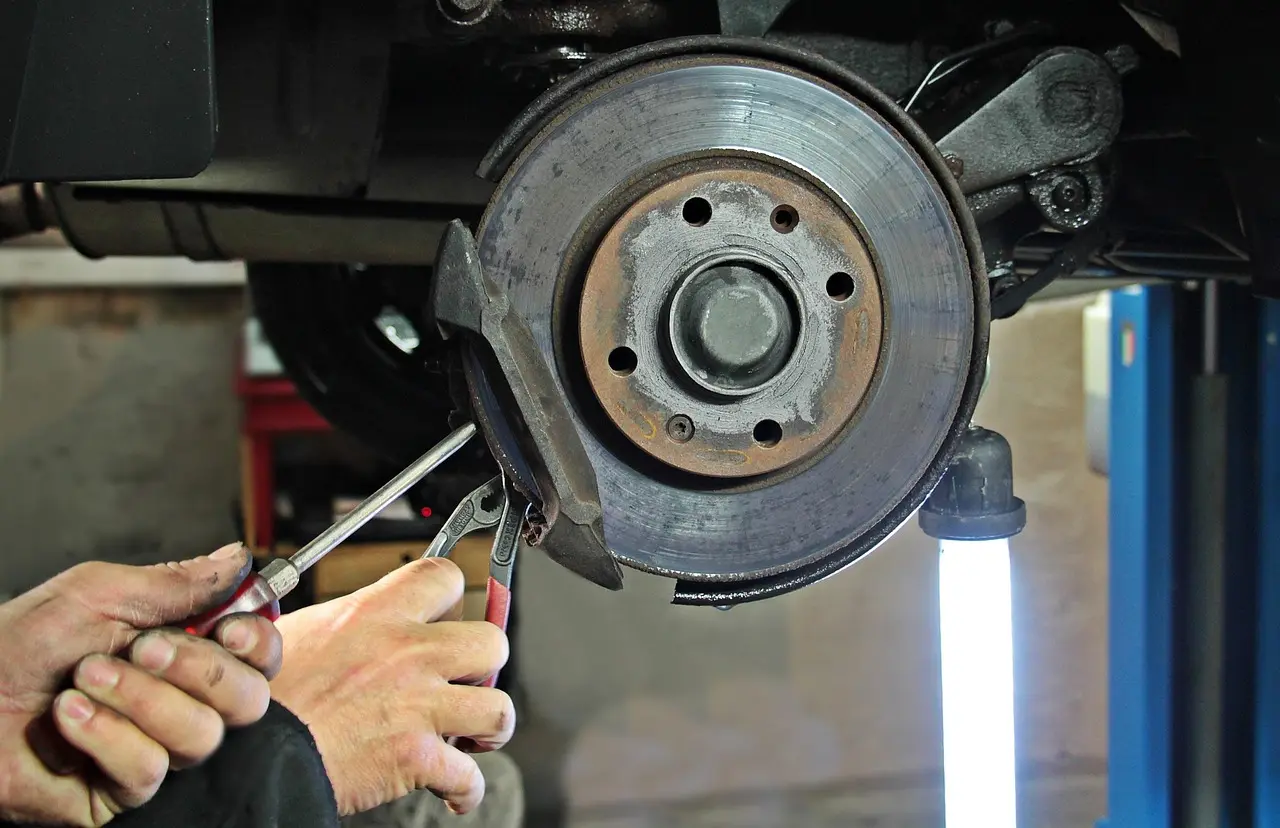
Start with the pattern, not the part. A single hot wheel usually points to a corner fault, while both rear wheels suggest rear hardware or a shared hydraulic problem. All four dragging points to system-wide pressure or linkage issues, and weather-linked symptoms often point to parking brake parts or corrosion rather than ABS.
| Symptom pattern | Most likely causes | First checks | Urgency |
|---|---|---|---|
| One hot wheel | Sticking brake caliper, seized slide pins, uneven pad wear, collapsed brake hose | Compare wheel temperature, smell for hot friction material, check pad thickness and caliper movement | High |
| Both rear wheels | Parking brake hardware, rear calipers, rear drums, master cylinder issue | Check parking brake release, rear wheel free spin, drum adjustment, rear hose condition | High |
| All four dragging | Master cylinder pressure trap, brake booster pushrod or pedal linkage issue, contaminated brake fluid | Check pedal return and free play, crack a bleeder only if trained, inspect fluid condition | Critical |
| Only after rain or cold | Seized parking brake cable, rear hardware corrosion, frozen mechanism, water-exposed friction parts | Check rear brake release, cable movement, rust at levers and drums, overnight sticking | Medium to high |
| Only when hot | Heat-related hydraulic expansion, collapsing hose, glazed pads, dragging caliper hardware, fluid boiling | Look for worsening after a few stops, hot rotor smell, pedal change, one wheel hotter than others | High |
| Only in reverse | Rear brake hardware, parking brake drag, drum-brake adjustment, caliper guide issues | Check rear shoe or pad contact, cable release, and whether the problem appears with backing-load changes | Medium to high |
Say your front-left wheel is too hot to approach after a short drive, while the other three are warm but normal. That pattern fits a corner-specific fault first, not a full-system problem. A seized caliper, stuck slide pins, or a hose that holds pressure after pedal release rises to the top of the list.
What brake lock-up means and why it is dangerous
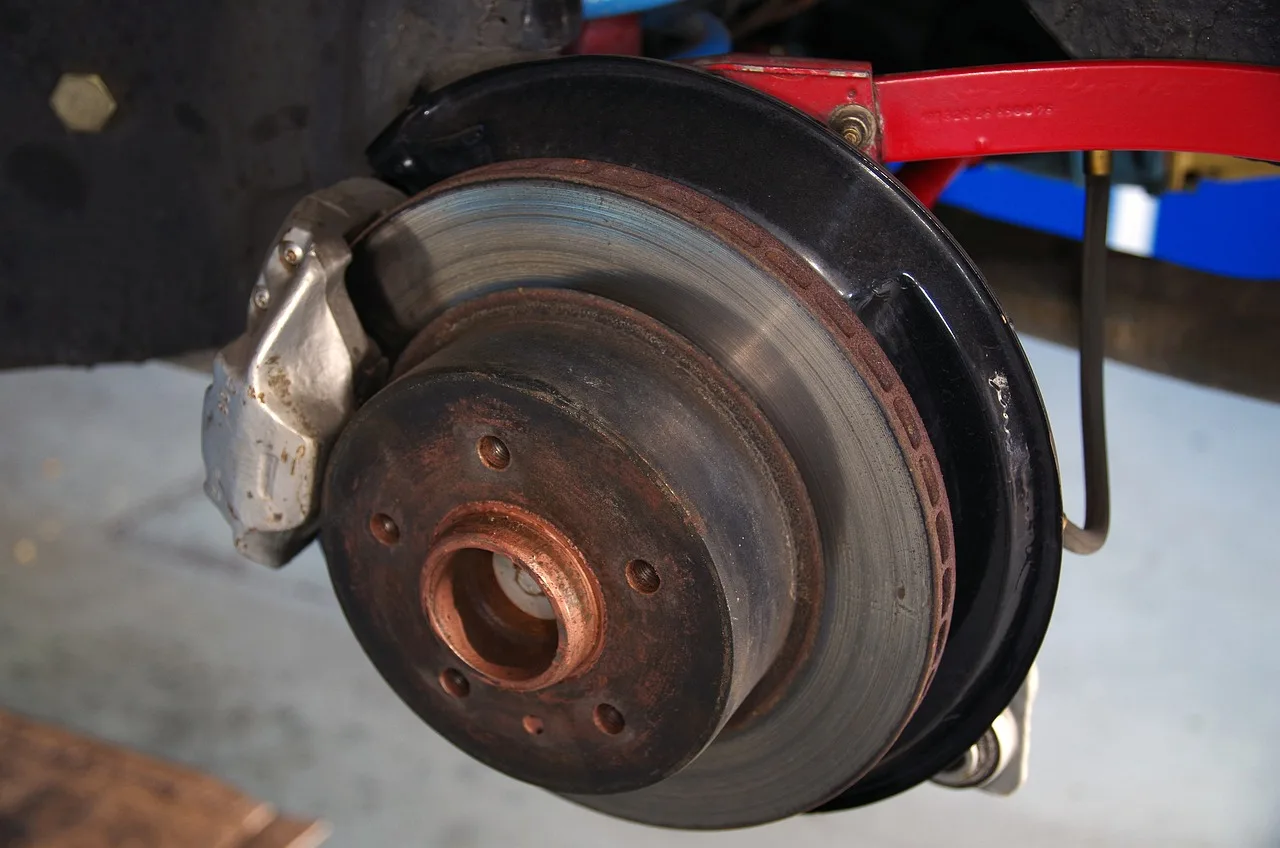
Brake lock-up means the wheels stop turning or start skidding while the vehicle is still moving. Modern vehicles with ABS are built to keep the wheels turning during hard braking, but a brake or ABS fault can still send a wheel into a skid. That cuts steering control and can lengthen stopping distance.
Lock-up is not the same as drag. Drag means the brakes stay partly applied after you lift off the pedal. True lock-up is sharper, with a wheel that stops or nearly stops turning. The diagnosis changes with that difference.
If the car pulls hard to one side, smells hot, or the pedal feels wrong, stop driving further. Ease off the pedal, keep the steering straight if you can, and get the vehicle off the road as soon as it is safe. A smoking wheel or a pedal that stays low or hard after release is a no-go sign.
- Release the brake pedal fully and keep the steering wheel straight.
- Move to a safe shoulder or parking area without riding the brakes.
- Check whether one wheel is much hotter than the others by careful near-hand comparison, not touch.
- Note any burning smell, hard pull, warning light, or pedal that does not return cleanly.
- Do not keep driving if a wheel is smoking, the car will not roll freely, or the pull is severe.
Why do my brakes lock up when I stop?
When lock-up happens right as you stop, the problem is often a brake that does not release cleanly after pressure builds. A sticking caliper, a collapsed hose, or a master cylinder that traps hydraulic pressure can leave one wheel or a whole axle applied after you lift off the pedal.
Sticking caliper or seized slide pins
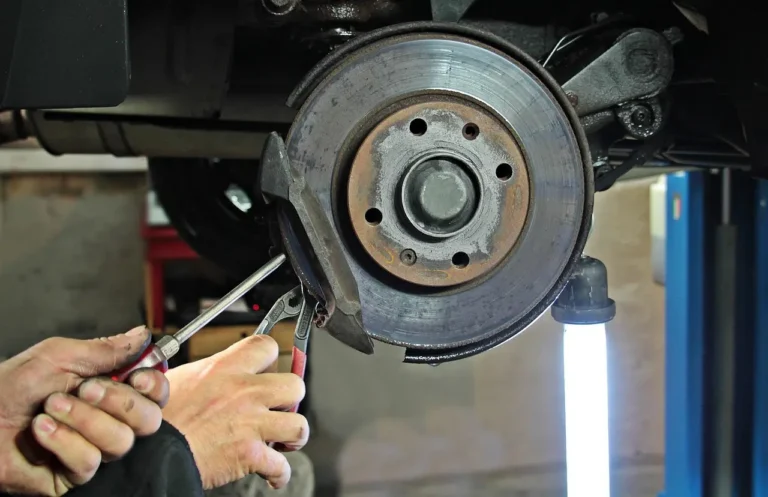
A sticking brake caliper is the most common cause in real-world cases. If one piston or slide pin seizes, that corner can stay clamped on the rotor. You may notice a pull to one side, uneven pad wear, or one wheel that runs much hotter than the others.
Brake pads and rotors work as a pair. If the pads are worn, glazed, or overheated, they can grab or squeal before they seize. A rotor that has been cooked by repeated drag can show uneven friction contact, but the rotor is usually the symptom, not the root cause.
Collapsed hose or trapped pressure
A collapsed brake hose can act like a one-way valve. Pressure gets to the caliper when you press the pedal, then stays trapped after release. That creates a corner-specific lock-up that often gets worse as heat builds.
Vehicles with ABS are designed to prevent wheel lock during sudden braking, but a hose fault can mimic a caliper failure very closely. If the wheel frees up after a short wait, pressure retention is a stronger suspect than pad material alone.
Master cylinder and pedal return faults
If all four brakes stay on, the master cylinder moves up the list. A blocked compensating port or internal master cylinder failure can leave trapped hydraulic pressure in the system. A brake booster pushrod or pedal linkage that does not return fully can do the same thing.
Check pedal free play. The pedal should come back cleanly and sit at rest without tension. If it feels high, tight, or slow to return, the system may be holding pressure because the linkage is not letting the master cylinder uncover its return port.
Why do my brakes lock up while driving?
Lock-up while driving usually means the problem grows with heat, speed, or repeated stops. Overheated pads and rotors can grab harder, fluid can expand, and a weak hose or caliper can start holding pressure. ABS is only one branch of the diagnosis, not the default answer.
Overheated pads and rotors
wikiHow lists overheating, damaged calipers or pads, incorrect brake fluid, and ABS problems as causes. Firestone says brake lock-up can happen with drum or disc brakes and with or without traction control. Those points matter because hot brakes can start with mechanical drag and then turn into a lock-up event.
If the issue appears after repeated braking, look for glazed pads, a cooked rotor surface, and a smell of overheated friction material. Heat can make marginal parts grab harder. It can also push fluid problems into view by raising pressure in a system that already has little room for expansion.
Hydraulic pressure that will not release
VehicleRuns says all brakes dragging points more toward trapped system pressure or linkage issues. That pattern is different from one hot wheel. If all four are affected, think master cylinder, pedal linkage, or brake fluid contamination before you blame one caliper.
Brake fluid must match the correct DOT specification for the vehicle. It also absorbs moisture over time, and dirty or contaminated fluid changes how pressure transfers through the system. Moisture can lower the fluid’s heat tolerance, which makes hot-lock symptoms more likely.
ABS intervention versus true lock-up
ABS works by reading wheel speed sensors and preventing wheel lock during sudden braking. A broken or dirty wheel speed sensor can send wrong input to the ABS module and cause incorrect action. The warning light may come on, but not every fault sets the light immediately.
Do not treat every skid as an ABS failure. If the pedal pulses on a slippery surface and the car stays steerable, ABS may be working. If the wheels lock solid on dry pavement, one corner is hot, or the car pulls hard, suspect a brake hardware or hydraulic fault first.
Why do my brakes lock up on one side?
One-sided lock-up usually means one corner is doing more work than the others. That is where the temperature check matters most. A single hot wheel points first to a sticking caliper, seized slide pins, uneven pad wear, or a collapsed hose, not a full-system problem.
Single-wheel heat check
The same source says a single hot wheel usually means a corner-specific fault. Compare the temperature of each wheel after a normal drive. A wheel that is far hotter than the others is a strong clue that the brake on that corner is not releasing properly.
Suppose the right-front wheel smells hot after a five-mile trip, and the car pulls right when you let off the gas. That combination fits a drag problem on that corner. The fix may be as small as cleaning and lubricating slide hardware, or as large as replacing the caliper and hose together.
Rotor, pad, and caliper signs
Look for pad thickness differences, uneven rotor wear, and a caliper that resists hand movement on its slides. Brake rotors can warp or grab unevenly after overheating, but the warped surface usually comes after the drag starts. A badly worn pad set can also create grabby braking before the wheel locks.
The same source says slippery surfaces like wet or icy roads can cause lock-up. That is a road-surface issue, not a corner fault. If the car only skids on wet pavement but the wheels free-spin normally when lifted, the problem may be traction-related rather than mechanical.
One-corner hose or hardware fault
A collapsed hose can trap pressure at one wheel even if the caliper looks normal. Rusted hardware, frozen slide pins, or a sticky pad abutment can do the same job. If the wheel releases after a few minutes, pressure retention or heat-related expansion becomes more likely.
Cost-wise, a simple cleaning or hardware service may sit in the low hundreds. Caliper replacement, hose replacement, or both together usually costs more, and the bill rises if rotors and pads were cooked by the drag.
Why do my brakes lock up when they get hot or when it rains?
Heat and rain do not create the same problem. Heat often points to expansion, fluid issues, or parts that start sticking after repeated use. Rain and cold point more toward parking brake hardware, rear mechanisms, or corrosion that shows up when moisture gets into the system.
Wet-weather parking brake issues
The same source says slippery surfaces like wet or icy roads can cause lock-up. That is one piece. The other is weather-exposed hardware. TheCarBuzz says a seized parking brake cable can lock rear brakes, especially in cold weather, and over-adjusted drum brakes can drag, overheat, and eventually lock.
If the problem appears after rain, after a wash, or on the first cold morning, check the rear parking brake first. Rear wheels that drag after a wet night often point to rusted cables, sticky levers, or drum hardware that is sticking before the car even moves.
Cold corrosion and frozen hardware
Moisture can leave caliper slides, parking brake cables, and drum hardware slow or frozen. That is especially important on rear brakes, where the parking brake mechanism lives. A seized cable or corroded lever can hold a rear brake partly applied until heat or motion changes the load.
Brake lock-up can happen with drum or disc brakes. The rear hardware on either type can stick, but drum systems are especially sensitive to adjustment and cable issues. If reverse makes it worse, that is another clue that rear hardware is involved.
Heat expansion and fluid-related drag
When brakes get hot, fluid expands and weak components show their faults. A collapsing hose may act more like a valve as temperature rises. Glazed pads and dragging caliper hardware can also bite harder once they heat soak.
VehicleRuns identifies a collapsed brake hose as a cause that can trap pressure. If the wheel locks after a few stops and then frees after cooling, the heat pattern matters. That points away from a simple pad swap and toward the hydraulic side of the system.
Brake parts that can cause lock-up
Use this section as a parts map, not a guessing list. The symptom pattern should still lead the diagnosis. Parts swap too early, and you can miss the real fault.
Brake pads and brake rotors
Brake pads and rotors are the friction pair. Worn, glazed, or overheated pads can grab or squeal. A rotor that has seen heat buildup can develop uneven contact, which may feel like grabby braking or a shudder before lock-up, but it is often the result of another fault upstream.
Brake fluid and hydraulic lines
Brake fluid transfers pedal force through the hydraulic system. If the fluid is dirty, contaminated, or past its service life, it can hurt pressure transfer and heat resistance. A hose with internal collapse can trap pressure after pedal release and create a lock-up that comes and goes with temperature.
Parking brake hardware
Parking brake hardware matters more than many drivers expect. Seized cables, frozen levers, and over-adjusted drum brakes can all drag the rear brakes. That is why rear-only symptoms, rain-related symptoms, and reverse-related symptoms should keep parking brake parts near the top of the list.
Wheel speed sensors and ABS
Wheel speed sensors feed ABS data. A dirty, damaged, or broken sensor can send bad information and make the system act at the wrong time. A warning light helps, but it is not the whole diagnosis. If the light is on and the lock-up happens on slippery pavement or during hard stops, ABS deserves a closer look.
What to do immediately when brakes lock up
Do not keep driving as though the problem will clear on its own. If the brakes are locking, the vehicle may not stop straight. If the pedal feels abnormal, a wheel smokes, or the car pulls hard to one side, park it and arrange inspection.
The shortest safe triage is temperature, smell, pull, and pedal feel. Those four checks separate many corner faults from system-wide pressure problems. They also tell you whether the vehicle should be towed instead of driven.
- Check whether one wheel is much hotter than the others.
- Notice any burning smell from a corner or from the rear.
- See whether the vehicle pulls left or right under light brake use.
- Feel the pedal return, height, and firmness after release.
- Look for an ABS warning light, but do not wait for one to appear.
A common first-timer mistake is replacing pads because the wheel was hot. If the hose is collapsing, or the caliper slides are seized, new pads will not fix the lock-up. Diagnose the heat source first, then replace the part that is actually trapping pressure or dragging.
Frequently asked questions
Why do my brakes lock up in reverse?
Reverse often changes the load on rear brake hardware, which is why rear drums, parking brake parts, and caliper guides show up here first. If the problem appears mainly while backing up, check rear adjustment, cable release, and sticky hardware before you suspect ABS.
Why do my brakes lock up when they get hot?
Heat can make marginal parts stick harder. A collapsing hose may trap pressure, glazed pads can grab, and fluid that has absorbed moisture can transmit pressure poorly under heat. If the symptom grows after repeated stops, the problem is usually hydraulic or friction-related, not just a worn rotor.
How do I tell if ABS is causing the lockup?
ABS is more likely when the issue appears during sudden braking on slippery pavement, especially if the pedal pulses and the warning light is on. It is less likely when one wheel is much hotter than the others or when the car drags after the pedal is released. Wheel speed sensor faults can mislead the system.
Why are my brakes locking up and not releasing?
That pattern points to trapped pressure or mechanical drag. A collapsed hose, seized caliper piston, rusty slide pins, seized parking brake cable, or a master cylinder with a blocked compensating port can all hold the brakes on after release. The key clue is whether one corner or all four stay applied.
Is it safe to drive if my brakes are locking up?
No. Brake lock-up can reduce steering control, overheat rotors, and leave you unable to stop straight. If the pedal feels wrong, the car pulls hard, or a wheel is smoking, do not keep driving. Tow the vehicle or have it moved only if it can roll freely and safely.
What can cause the brakes to lock up?
The common causes are sticking calipers, seized slide pins, collapsed hoses, master cylinder pressure traps, parking brake faults, contaminated brake fluid, and ABS sensor problems. The most useful filter is the symptom pattern: one wheel, both rears, all four, hot-only, rain-only, or reverse-only.