Why Do My Brakes Squeak After New Pads?
Light squeaking for about the first 200–300 miles can be normal while new pads bed in, but persistent squeal, grinding, pulling, or a brake warning means the brakes should be inspected now. Ignore bad brake noise and you can wear pads unevenly, damage rotors, and lengthen stopping distances. This guide separates normal bedding noise from install mistakes and failing parts, then gives you a next-step checklist.
This guide is part of our Brakes: how they work, warning signs and service series.
Why do my brakes squeak after new pads?
New pads can squeak because they are still seating to the rotor, because the pad material is naturally noisier, or because the rotor surface is not in good shape. The sound is often a light squeak or squeal, not a harsh grind. If the noise stays after the break-in period, treat it as a fault check.
What normal bedding noise sounds like
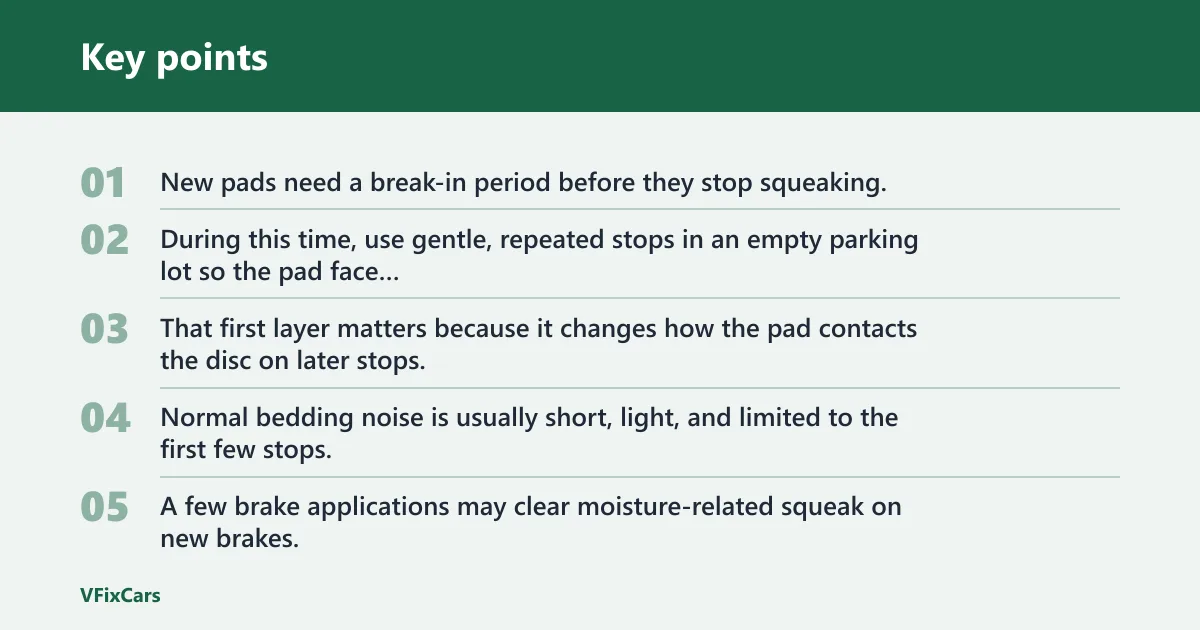
New pads need a break-in period before they stop squeaking. During this time, use gentle, repeated stops in an empty parking lot so the pad face transfers evenly onto the rotor. That first layer matters because it changes how the pad contacts the disc on later stops.
Normal bedding noise is usually short, light, and limited to the first few stops. It should fade as the pads seat. A few brake applications may clear moisture-related squeak on new brakes, but bedding noise can last longer if the brakes were replaced with rough rotors or hard pad material.
How pad material changes squeak
Pad material has a real effect on noise. Organic pads tend to be quieter, while ceramic and metal-heavy pads can be noisier depending on the compound and the rest of the brake setup. High-metal-content brake pads may squeak because of their material mix. Graphite, copper, steel, and iron can all contribute to noise.
Quality matters too. Cheap or low-quality pads are noisier, but quality is not the only factor. Fresh pads can squeak when hot or contaminated, so even a decent pad can make noise if grease, dust, or rotor residue gets on the friction surface.
How rotor finish affects first-use noise
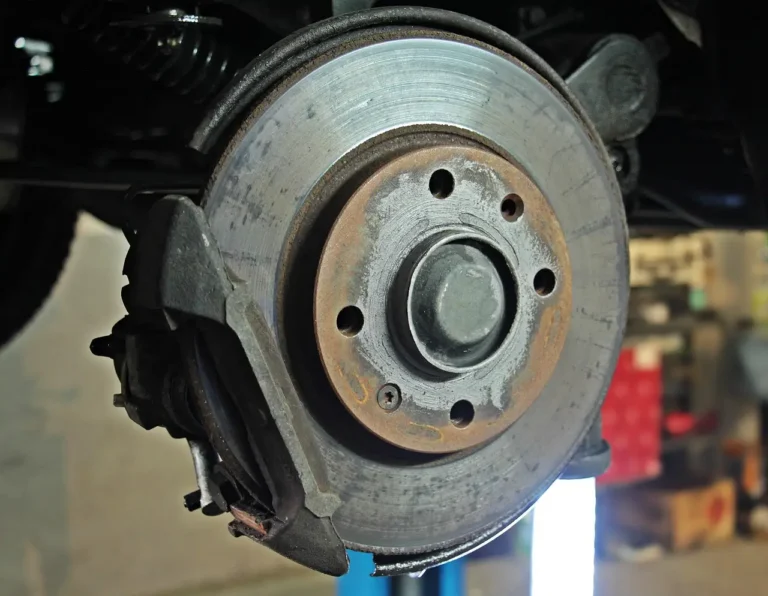
Rotor surface condition shapes how the new pad beds in. A rotor with glazing, wear ridges, or an uneven finish can keep new pads noisy. Worn rotors left in service can still squeak after new pads are installed. In some cases, the rotor should be replaced with the pads rather than reused.
Say your front pads are ceramic and the old rotors still have a slight lip at the edge. The car may stop fine, yet squeak every morning until the rotors are corrected or replaced. That points to a surface match problem, not just pad material.
Brake squeak decision table
| Symptom pattern | Most likely cause | Next action |
|---|---|---|
| First 50 miles after install | Normal bedding, especially with fresh pads and reused rotors | Use gentle, repeated stops in an empty parking lot and watch for fade-out |
| Squeak only in light braking | Pad vibration, material noise, or a rotor surface issue | Check bedding, pad type, rotor finish, and hardware fit |
| Squeak with burning smell | Sticking caliper pin or overheating brake parts | Stop driving hard and inspect caliper movement right away |
| Squeak with grinding | More serious wear or hardware problem | Arrange prompt inspection before more driving |
| Squeak after rain | Moisture or surface rust on pad and rotor faces | Drive enough to dry the brakes and recheck after several stops |
| Squeak after hard towing or hill use | Heat-soaked pads or overheated rotors | Let the brakes cool down, then inspect for wear or glazing |
Why does the squeak only happen in light braking?
Light-brake squeak often comes from pad vibration at the first touch of the rotor. Harder pedal pressure can change the contact angle and temporarily quiet the noise. If the squeak appears only at low speed or with gentle pedal input, the pads may be noisy, the rotor face may be rough, or the pad hardware may be loose.
Why speed and pedal pressure matter
At light pressure, the pad can skim and vibrate instead of pressing flat. That is why some brakes squeak only in the last few feet of a stop or when creeping through traffic. A pad that is not fully seated can act this way until the break-in period is done.
If the sound changes with speed, pedal pressure, or temperature, that points away from a random noise and toward a contact problem. If it changes with one wheel only, inspect that corner first.
When light-brake squeak points to wear
Light-brake squeak is not always harmless. If it comes with pulsation, uneven stopping, or a brake warning light, look beyond pad bedding. Pulsating brake pedal can signal bigger problems and may come with a brake warning light.
Grinding, by contrast, is a different sound. It suggests more serious hardware or wear issues and needs prompt inspection. Do not treat grinding as another version of squeak.
Does heat, towing, or hill driving change the noise?
Yes. Heavy towing, steep climbs, long descents, or riding the brake can overheat new pads and trigger squeaking. Hot brakes may squeak and stop less well. If the noise shows up after a load, a mountain road, or repeated braking in traffic, heat is high on the list.
How overheated pads sound
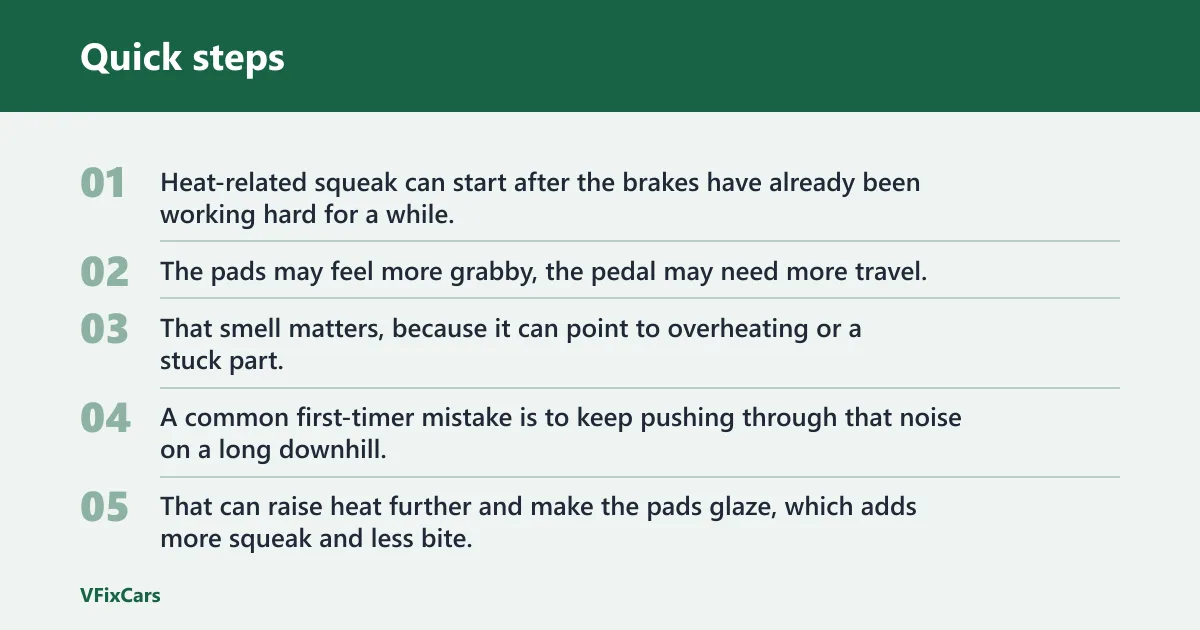
Heat-related squeak can start after the brakes have already been working hard for a while. The pads may feel more grabby, the pedal may need more travel, or the brakes may smell hot. That smell matters, because it can point to overheating or a stuck part.
A common first-timer mistake is to keep pushing through that noise on a long downhill. That can raise heat further and make the pads glaze, which adds more squeak and less bite.
Why towing and long descents raise brake temperatures
Towing and climbing load the brakes more than normal city driving. Riding the brake on a descent does the same thing. Heat builds in the pads and rotors, and hot brake parts often become noisier until they cool.
The fix for heat-related squeak is to let the brakes cool down. If the noise returns on the next long hill or tow, inspect pad condition, rotor finish, and caliper operation.
When heat means you need an inspection
Heat alone does not explain everything. If the squeak comes with a burning smell, pulling to one side, or weaker stopping, do not wait for it to clear. Those symptoms can fit a sticking caliper pin or a caliper that is not retracting properly.
Say a pickup tows a trailer up a long grade, then starts squeaking at every stop sign and smells hot. That pattern is more than bedding noise. It deserves a check of pad drag, rotor color, and caliper release.
Could the installation be the problem?
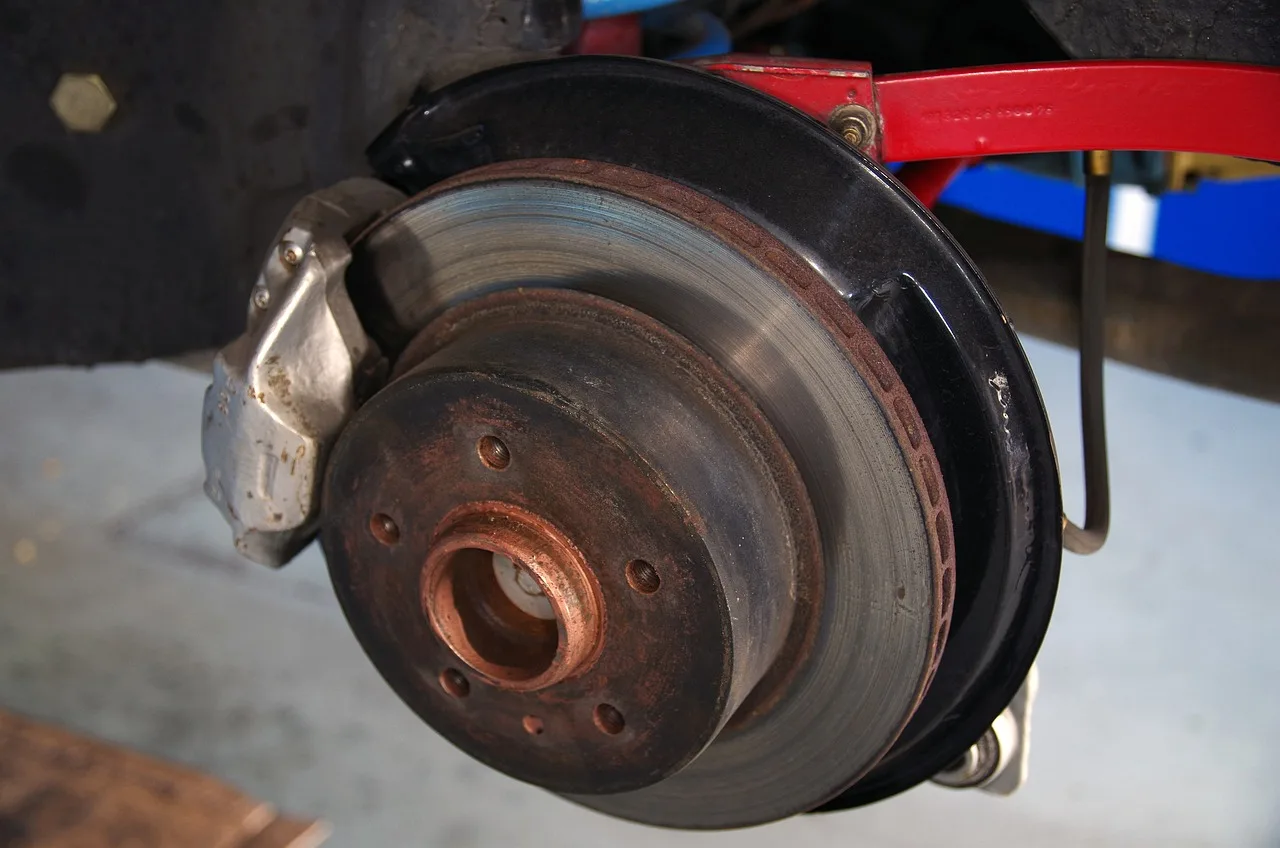
Yes. Post-install squeak often comes from hardware, fit, or movement issues rather than the pad compound alone. Missing clips, misfit shims, dry caliper pins, or poor torque can leave the pad sitting crooked or dragging. That can squeak from the first drive and may not improve with mileage.
Sticking caliper pins
A sticking caliper pin can jam a pad into the rotor at an angle and cause squeaking. If both caliper pins stick, a burning smell can appear too. In that case, the caliper may not retract and release pads properly, so the pad keeps touching the disc after you let off the pedal.
Check for uneven pad wear, a hot wheel, or one brake that feels stronger than the rest. Those are common clues that the caliper is hanging up.
Missing or wrong hardware
Pad clips, abutment hardware, and anti-rattle parts matter. If a spring clip is missing, bent, or installed wrong, the pad can move too much and squeak. If the wrong hardware came with the job, the pad may sit too tightly or too loosely in the bracket.
Do not put lubricant on friction surfaces. Use it only where the brake design calls for it, such as approved slide points or hardware contact areas, and keep it off the pad face and rotor.
Torque and pad fit checks
Loose or uneven torque can leave the caliper bracket, wheel, or hardware out of position. That does not always create an immediate failure, but it can let the pad chatter. Recheck that the caliper bolts, bracket bolts, and wheel nuts were tightened to the vehicle’s spec.
Also confirm that the pads slide freely in the bracket and release when the pedal is lifted. If they do not, fix that before driving farther.
- Confirm the squeak is not grinding or a pedal pulsation.
- Check for heat, smell, and one wheel that seems hotter than the others.
- Inspect pad clips, shims, and caliper pin movement.
- Verify the pads seat squarely in the bracket.
- Confirm rotor condition and finish before assuming the pads are the only issue.
What rotor condition keeps new pads noisy?
Rotor wear and surface condition can keep new pads noisy even when the pad install is correct. A glazed rotor, a rotor with uneven wear, or a rotor that is below service condition can make the new pads squeak right away. Sometimes the pad and rotor simply do not match well enough to quiet down on their own.
Rotor wear and lip buildup
Worn rotors left in service can squeak after new pads are installed. A worn edge or lip can stop the pad from meeting the rotor evenly, which adds noise and can lengthen the bedding process. If the rotor thickness or surface condition is poor, replacement with the pads is often the better move.
Glazing on the pad or rotor face
Glazing makes a brake surface smooth and hard, which can increase squeal. That may happen after heat, after a poor bed-in, or after repeated light braking. If the rotor or pad face looks shiny and glassy, the brakes may need correction rather than more miles.
When rotors should be replaced with pads
Replace rotors with the pads when wear, scoring, hot spots, or finish problems are part of the noise. If the vehicle is used for towing, fleet duty, or repeated stop-and-go driving, rotor condition matters even more because heat and wear build faster. A better rotor choice now can prevent another noisy brake job later.
Why do brakes squeak after rain or overnight moisture?
Rain, snow, ice, or overnight condensation can leave moisture on brake parts and cause temporary squeaking. Surface rust can form quickly on the rotor face, and the first stop or two may sound rough. A few brake applications may clear moisture-related squeak on new brakes.
Surface rust after standing
When the car sits, thin rust can appear on the rotor and make the first stop noisy. That noise often fades after several stops. The fix for moisture-related squeak is to drive enough to dry the brakes.
Why the noise usually clears fast
Moisture noise should drop off after the pads wipe the rotor clean. If the squeak is gone after a short drive, it was likely surface moisture or light rust. If it remains after dry weather and several stops, look for material, rotor, or hardware issues instead.
When wet-weather noise is not normal
Wet weather does not explain every squeak. If the noise stays once the brakes are dry, or if it comes with burning smell, grinding, poor stopping, or a warning light, inspect the brake system. Those signs point beyond simple moisture.
Frequently asked questions
Why do my brakes squeak after changing pads?
After a pad change, squeak often comes from the pads still bedding in, a rough rotor surface, or installation hardware that is not seated correctly. Light noise in the first miles can be normal, but persistent squeak means you should check pad fit, rotor condition, and caliper movement.
Why are my brakes still squeaking after replacing pads and rotors?
If new pads and rotors still squeak, the cause may be hardware, caliper pin movement, poor torque, or an installation mismatch. It can also mean the new parts are too aggressive for the vehicle’s use case. Persistent squeak after replacement is not something to ignore, especially with a smell or pedal change.
How long should my brakes squeak after changing pads?
Light squeak can be normal during about the first 200–300 miles while the pads bed in. If the noise stays after that, or if it worsens under heat, in the rain, or during light braking, it needs inspection. Grinding, pulsation, or a brake warning light needs prompt attention sooner.
Is it normal to smell your brakes after changing pads?
A mild smell can happen during break-in, but a strong or persistent burning smell is more concerning. It can point to overheating or a sticking caliper pin, especially if the smell appears with ongoing squeak or one wheel running hotter than the others. That combination deserves inspection now.
Why do my brakes squeak if my pads are still good?
Good pad thickness does not rule out noise. Brakes can squeak because of rotor finish, glazing, moisture, heat, or caliper hardware problems even when the pads still have life left. If the pads are still good but the noise persists, check the rotors and caliper pins next.