Winter tires vs all-season tires in snow: what to expect
If you drive in snow often, or temperatures stay below that cool-weather range, winter tires are worth considering; all-seasons can cope with light, occasional snow, but winter tires often stop shorter and pull away with more control. Skip the right tire, and you get longer stops, weaker grip, and more wheelspin at intersections or in parking lots. This guide compares launch, braking, turning, and getting unstuck in snow so you can judge the tradeoff.
Core Performance Differences on Snow
Winter tires are built for cold-weather traction. They use a softer cold-weather compound, denser siping, and tread shapes aimed at snow grip, so they keep working when pavement is cold and slick. All-season tires are a year-round compromise, and their grip tends to drop as temperatures fall into the cooler range, even before snow piles up.
The practical difference shows up at the steering wheel, brake pedal, and accelerator. Winter tires are easier to get moving, easier to stop, and more predictable in turns on snow. All-seasons can feel acceptable on cleared streets and shallow snow, but they lose margin fast in packed snow, on hills, and in stop-and-go traffic after a storm.
| Decision factor | Winter tires | All-season tires in snow | Winner |
|---|---|---|---|
| Cold-weather grip below 45°F / 7°C | Stays flexible and keeps bite in cold conditions | Rubber stiffens and loses grip as temperatures drop | Winter tires |
| Fresh snow launch and getting unstuck | Pulls away more confidently from stops and wheelspin | More likely to spin, hesitate, or bog down | Winter tires |
| Braking on snow | Shorter stopping distance and better low-speed control | Longer stops, especially after the first layer packs down | Winter tires |
| Plowed city streets | Still more secure on cold, slick intersections | Usually adequate if roads are mostly clear | Winter tires |
| Year-round convenience | Requires seasonal swap and storage | Can stay on the vehicle all year | All-season tires in snow |
| Best use case | Frequent snow, cold temps, hills, or unplowed roads | Rare snow days, flat terrain, and mostly cleared routes | Depends on driving pattern |
Cold-weather grip is the first split
That first row matters because tire rubber changes before the road turns white. A cold-weather compound keeps winter tires pliable in freezing temperatures, which helps the tread conform to surface texture and snow. All-season tires are made to do many jobs, but cold weather makes them harder and less able to form that contact patch.
Picture a 2-mile commute on a frosty morning with dry-looking pavement and shaded corners. The road may not look snowy, but all-seasons can still feel less planted in braking and lane changes because the tire has already stiffened. Winter tires keep more grip reserve in that same temperature range.
Siping is why winter tires bite snow better
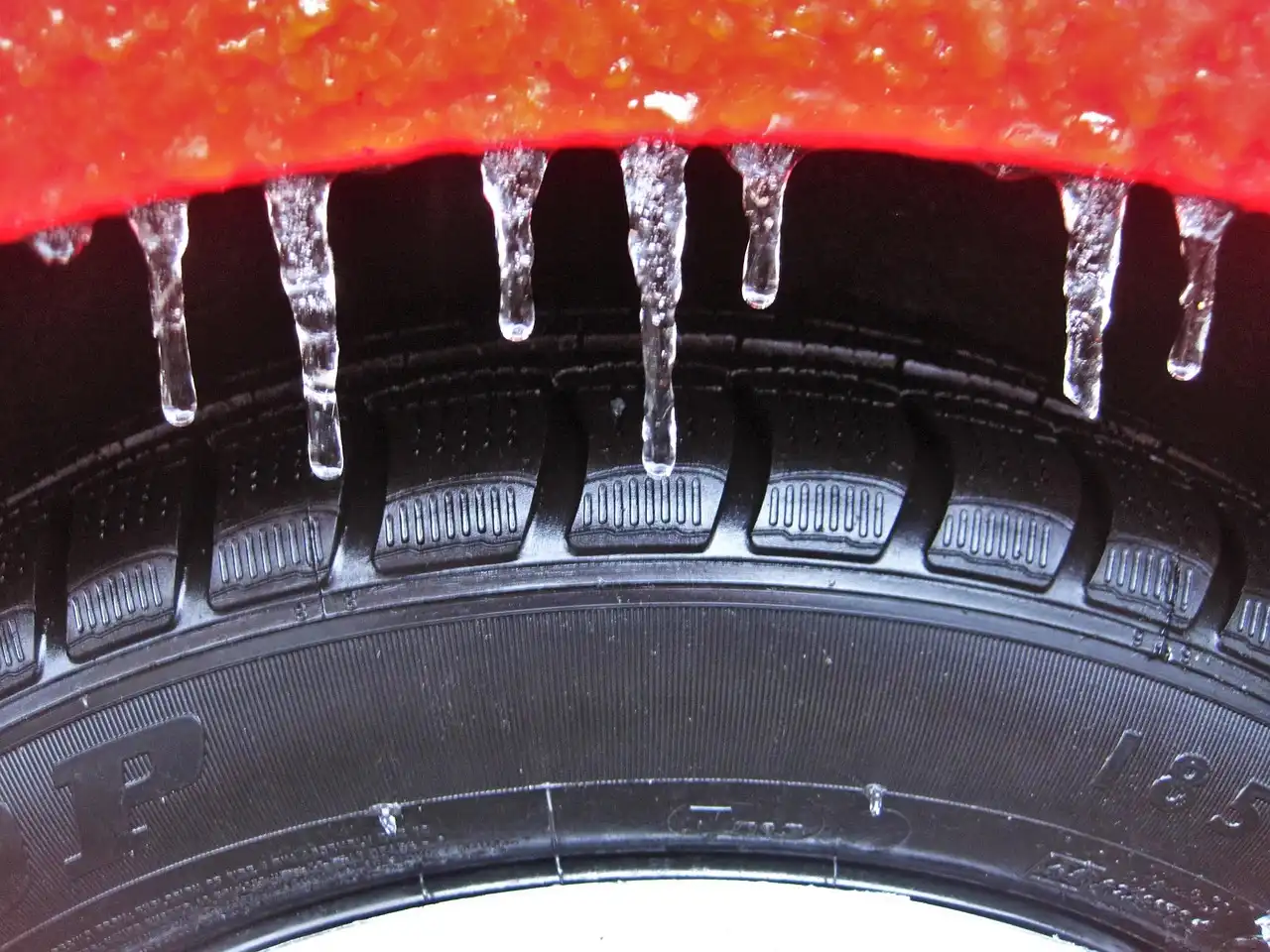
Sipes are the thin slits cut into the tread blocks. They create extra edges that bite into snow and help break through the water film that can form where rubber meets wet, packed surfaces. More siping usually means more available edges, which is one reason winter tires feel more secure in snow than a typical all-season tread.
That edge count matters in low-speed maneuvers. It helps when you ease out of a driveway, creep through an unplowed side street, or steer across a slushy parking lot where the tire needs both grip and water evacuation.
Tread depth matters as winter wear builds
Snow traction depends on tread depth, not just tread pattern. Deeper grooves can pack with snow in a controlled way, which helps the tire grip snow on snow; as the tread wears down, that self-cleaning effect fades and traction drops. Worn winter tires still beat worn all-seasons in many cases, but the gap narrows as depth falls.
A practical rule is to watch winter tread closely once it gets down near the lower replacement range many shops use, roughly around 4/32 inch or so for snow-focused use. The exact service threshold varies by tire and region, but the point is simple: shallow tread loses snow-biting ability fast.
How winter tires grip snow differently
Winter tires are dedicated cold-weather tires with a softer compound, more siping, and a tread designed around snow traction. That combination helps them launch, brake, and corner better once the road is white, especially when the snow is deeper than a dusting or the surface has been compacted by traffic.
The gain is not magic. It is a stack of small advantages that show up together: more flexible rubber, more biting edges, and grooves that keep working as snow builds up in the tread.
Soft cold-weather compound and flexibility below freezing
Below about 7°C / 45°F, the compound in many all-season tires starts to lose the pliability that supports grip. Winter tires are made to stay flexible longer in colder conditions, so they can conform to pavement texture and packed snow instead of skating across a harder surface.
That is why the benefit appears before the first major storm. Cold pavement alone can be enough to make winter tires feel steadier in braking and steering.
Sipes, bite edges, and snow evacuation
Sipes increase the number of edges that can catch on snow. They also help move away the thin water layer that forms under load, which matters because snow grip is not only about grabbing snow; it is also about shedding the film that makes a tire slide.
On fresh snow, those edges help the tire dig in. On slush, they help the tread clear itself more quickly so the tire keeps contacting the road surface instead of riding on churned-up mix.
How all-season tires behave in cold, snow, and slush
All-season tires are made for year-round use and wide weather tolerance. They can handle light snow and cleared winter roads, but their snow grip is limited compared with winter tires, and that limitation becomes more obvious as temperatures fall and the snow gets deeper or more packed.
That does not make them useless. It means they are best where winter is intermittent, roads are plowed quickly, and the driver can avoid the worst conditions.
What happens when the rubber hardens in freezing weather
When all-season rubber stiffens, the tire has less ability to conform to the road surface. That hurts starting, stopping, and cornering at the same time, because the tire has less contact quality to work with even if the tread still looks deep enough.
The result is often a vague, delayed feel. The vehicle may take a moment longer to bite at a stoplight, need more room to stop at a crosswalk, and push wider in a turn than the same vehicle on winter tires.
Where all-seasons still do fine
All-seasons can be enough for light snow in town, especially on short, plowed routes with low speeds and modest hills. If snowfall is rare and roads are cleared quickly, the compromise may fit the use case better than a dedicated winter set.
They are weakest once snow depth increases, traffic packs it down, or the route includes steep grades, shaded curves, or unplowed stretches.
How much better are winter tires than all-season tires in fresh snow, packed snow, slush, and plowed streets?
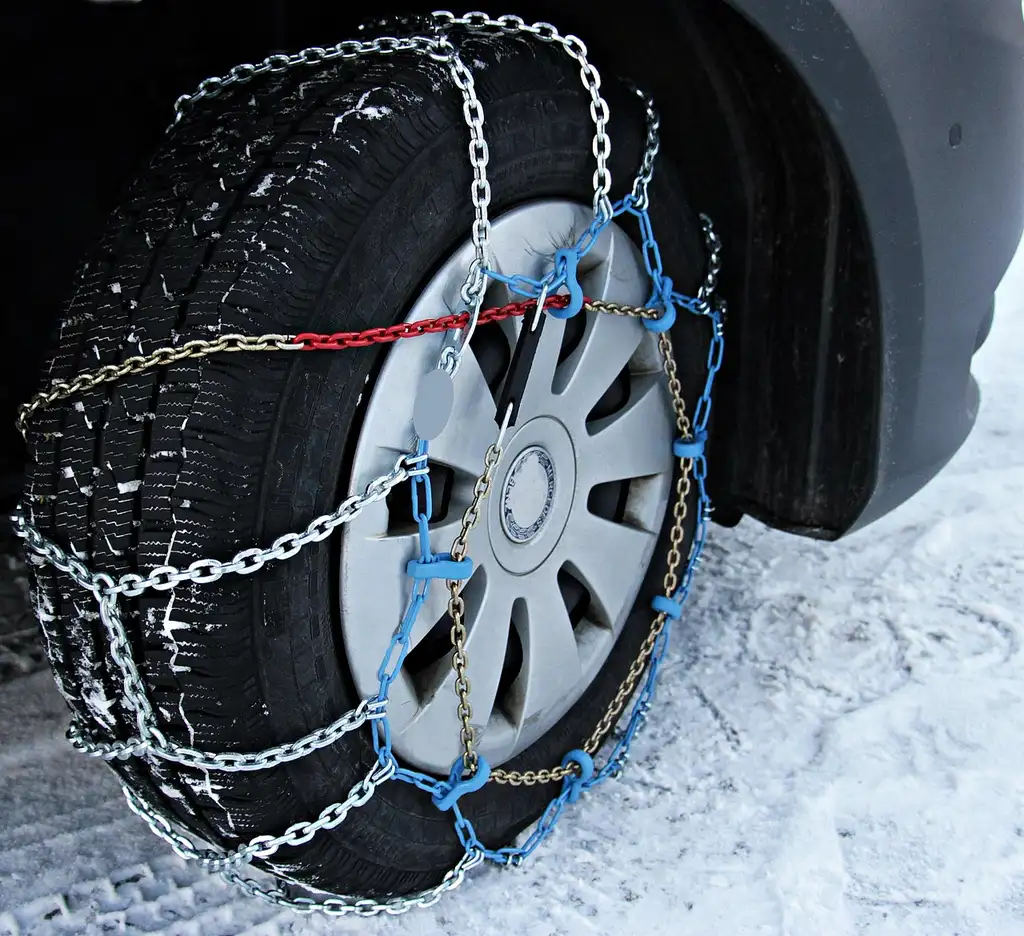
Winter tires are usually more predictable in every snow condition, but the size of the advantage changes by surface. Fresh snow favors winter tires for launch and turning; packed snow increases the gap in braking and control; slush adds a need for clearing water and churned snow; plowed city streets narrow the difference, though cold intersections can still expose all-season weakness.
The right tire depends less on the label and more on which condition you face most often.
| Road condition | Winter tires: expected behavior | All-season tires in snow: expected behavior | Simple decision rule |
|---|---|---|---|
| Fresh snow | Better launch, cleaner steering bite, shorter stops | Usable at low speed, but more wheelspin and longer stops | Choose winter tires if you must start on snow more than once or twice per storm |
| Packed snow | More stable braking and cornering, better low-speed control | Grip fades faster; easy to exceed available traction | Choose winter tires if your roads are driven over and polished by traffic |
| Slush | Better clearing of the tread and more confidence in lane changes | Can hydroplane-like slip sooner as the tread saturates | Choose winter tires if storms leave slush between lanes or in ruts |
| Plowed city streets | Still steadier on cold, wet, or icy patches | Often acceptable if speeds stay low and roads are promptly cleared | All-seasons may be enough if snow is light, rare, and urban routes are short |
Fresh snow rewards bite more than speed
Fresh snow is where winter tires feel most eager to move. Their siping and softer compound let them grab from a stop and keep turning with less drama, while all-seasons are more likely to spin lightly before finding motion. That difference is most obvious at low speed, such as leaving a stop sign or backing out of a space.
Say your sedan is parked on 3 inches of fresh snow in a flat lot. A winter tire usually pulls forward with less throttle, while an all-season may need a longer pause and gentler pedal to avoid wheelspin.
Packed snow exposes the gap in stopping and cornering
Packed snow often matters more than fresh snow because it is dense, slick, and common on busy roads. Winter tires hold their shape and bite better on that surface, so braking distances stay shorter and turns feel less abrupt. All-season tires can still move the car, but emergency braking leaves less room for error.
This is where the phrase “safe enough” gets narrow. A light dusting on a quiet block is one thing. Packed snow on a main road after traffic has compressed it is another.
Slush is about clearing, not only gripping
Slush mixes snow, water, and road grime. Winter tire tread usually evacuates that mix better, which helps preserve contact and steering feel. All-seasons can lose composure sooner as the grooves fill, especially when the slush hides deeper ruts or puddles underneath.
That matters in lane changes, merging, and braking near intersections where the surface changes from wet asphalt to churned slush in one tire rotation.
Plowed city streets narrow the difference, but not always enough
On mostly cleared city streets, all-seasons can be adequate if snow is light and trips are short. The difference still appears at shaded corners, stoplights, and parking lot entrances where leftover snow or ice lingers after the main lanes are cleared. Winter tires keep more reserve in those transition spots.
Do winter tires help with starting, stopping, and turning in snow?
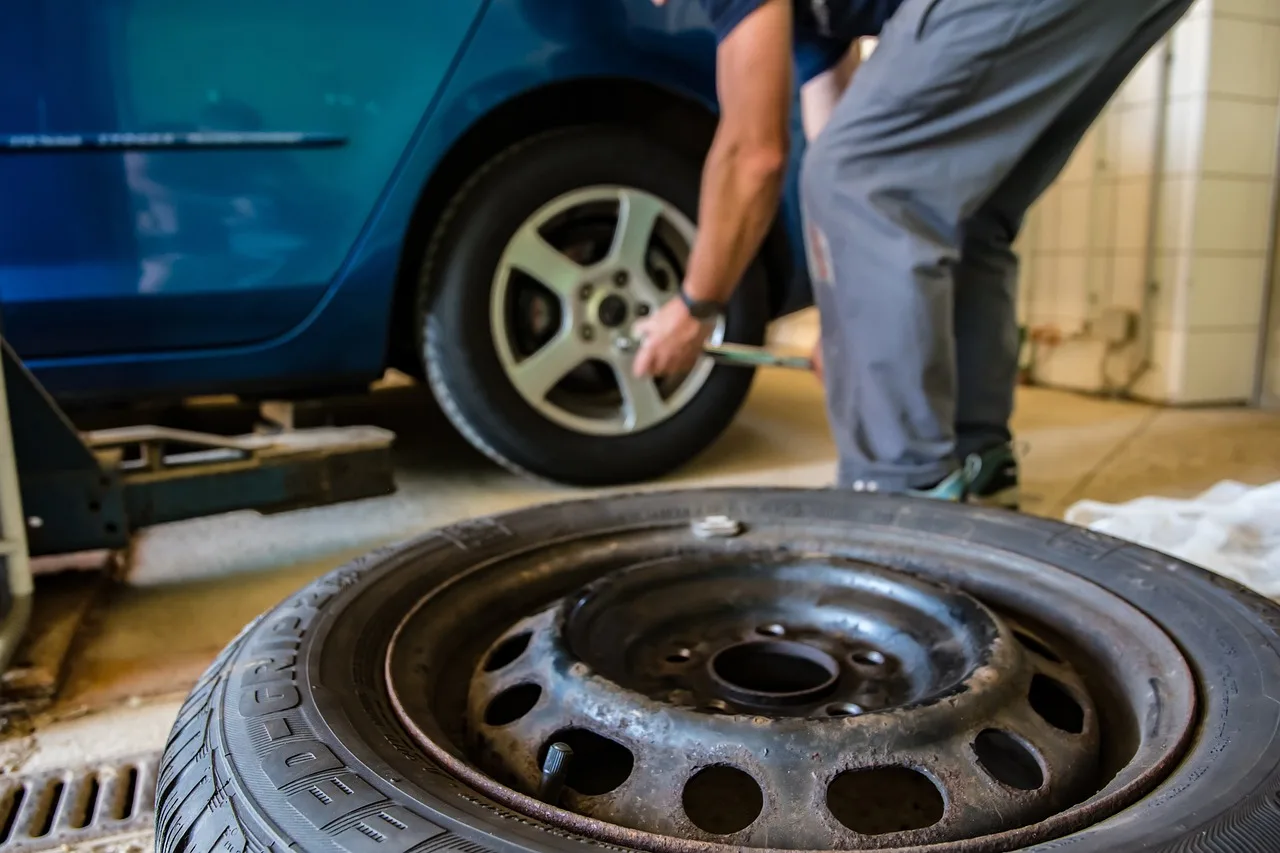
Yes. Winter tires help with all three, and that is why they feel more secure in snow even at city speeds. They launch with less wheelspin, stop in a shorter distance on snow, and keep more predictable cornering grip when you need to steer around ruts, curb cuts, or a sudden stop.
The biggest gain is not top speed. It is control at low speed and in emergency maneuvers.
Acceleration and getting moving from a stop
Starting from a stop is where tire choice feels immediate. Winter tires create more usable traction, so the car moves off with less throttle and fewer traction-control interventions. All-seasons often need a gentler pedal and may still spin if the surface is polished or uphill.
That difference matters in parking lots, at snowy intersections, and on hills where a failed launch can leave you sliding sideways before you ever reach speed.
Stopping distance in low-speed and emergency braking
Stopping distance on snow is affected by every part of the tread. Winter tires usually stop shorter because their compound stays flexible and their siping creates more edges. All-seasons can feel acceptable at low speeds, but the gap grows as braking demand rises, especially in an emergency stop.
A shorter stop is not a small luxury on snow. It can be the difference between rolling to a controlled halt and pushing through an intersection a few extra feet.
Cornering grip and stability in turns
Turning is where many drivers notice the tire’s balance. Winter tires keep more lateral grip and recover more cleanly if the front end begins to slide. All-seasons tend to push sooner, which makes the car feel wider in the turn and less willing to hold a chosen line.
A common first-timer mistake is assuming “it still moves” means “it still handles.” In snow, the steering wheel may turn the car only a little before the tire runs out of available grip.
Are all-season tires safe enough in light snow?
All-season tires can be enough in light snow if you stay on plowed city streets, drive short distances, and keep speeds low. They are most workable when the snow is shallow, the route is familiar, and temperatures do not stay well below freezing for long. Once the snow packs down or the route gets hilly, their margin drops quickly.
The key word is light. All-seasons are a limited answer, not a blanket one.
How little snow is still too much for all-seasons
A dusting on clear pavement is manageable for many all-seasons. A few inches of fresh snow, packed tracks left by other cars, or a hill at the wrong angle can change the situation fast. The vehicle may still get through, but starting and stopping become less forgiving.
If you need to brake hard, climb a grade, or move through snow that is being pushed aside by other vehicles, the tire’s compromise starts to matter more.
What to consider if you only drive a few snow days per year
If you see only a few snow days each winter and can avoid travel during storms, all-seasons may be enough. The tradeoff is convenience versus reserve traction. For drivers who can wait until plows have cleared the roads, the year-round simplicity of all-seasons may outweigh the benefits of a second set of tires.
If those snow days involve early commutes, steep streets, or unplowed parking areas, winter tires become easier to justify.
When should I switch to winter tires for snowy driving?
Switch to winter tires before regular cold weather settles in, not after the first major snowfall. A practical trigger is sustained daytime temperatures near or below 45°F / 7°C, since all-season grip starts to fall in that range even on dry pavement. That gives winter tires time to help before the road turns icy.
Do not wait for the first storm if your area gets repeated freeze-thaw cycles or early-morning frost.
Use case matters: city commuting, highway driving, hills, and unplowed roads
City commuting on plowed streets is the most forgiving case for all-seasons. Highway driving in cold weather still benefits from winter tires because braking and lane changes are more stable on cold, wet, or slushy pavement. Hilly roads and unplowed roads are where winter tires move from “recommended” to “strongly advisable.”
The more your route depends on getting moving from a stop, the more winter tires help.
- Pick winter tires if you drive in snow often, face hills, or cannot avoid travel during storms.
- Pick winter tires if morning temperatures stay below 45°F / 7°C for long stretches.
- Pick all-seasons if snow is rare, roads are cleared fast, and you can delay driving after storms.
- Recheck tread depth before winter if your current tires are already worn.
Choose Winter tires if… / Choose all-season tires in snow if…
Choose winter tires if you drive through frequent snow, packed snow, or slush; your route includes hills or unplowed roads; or you need reliable launch, braking, and cornering in temperatures below about 45°F / 7°C. They fit winter conditions that come up often, not rare exceptions.
Choose all-season tires in snow if you face only a few light snow days per year, stay mostly on plowed city streets, and can avoid travel when storms are active. They trade winter margin for year-round convenience, which works only when snow exposure is limited and the route is easy.
Frequently asked questions
How much better are winter tires than all-season tires in snow?
Winter tires are usually better where traction matters most: starting, stopping, and steering on snow and cold pavement. The gap is smallest on lightly plowed streets and largest in fresh, packed, or slushy snow. They are better in the places where grip runs out first.
How does cold temperature affect all-season tire grip?
Cold weather makes all-season rubber stiffer, often before any snow falls. Around 45°F / 7°C and below, grip can drop because the tire cannot conform to the road surface as well. The result is weaker braking, less secure turning, and a slower, less confident feel.
What kind of snow conditions make winter tires worth it?
Winter tires are most worth it in fresh snow, packed snow, slush, hilly routes, and unplowed roads. They also pay off when you face repeated stop-and-go driving in cold weather. If your winter driving is mostly brief trips on cleared streets, all-seasons may be enough.