Why Do Windshield Wipers Squeak? Causes and Fixes
Windshield wipers squeak because the rubber wiping edge drags across the glass with too much friction. That friction can come from dirty glass, a dry windshield, a worn blade edge, or weak, uneven arm pressure. If cleaning the glass and blade does not stop the noise, replace the blade before streaks and poor rain clearing follow.
This guide is part of our Windshield wipers: how to choose the right blades series.
Why do windshield wipers squeak?
The basic cause: rubber, glass, and friction
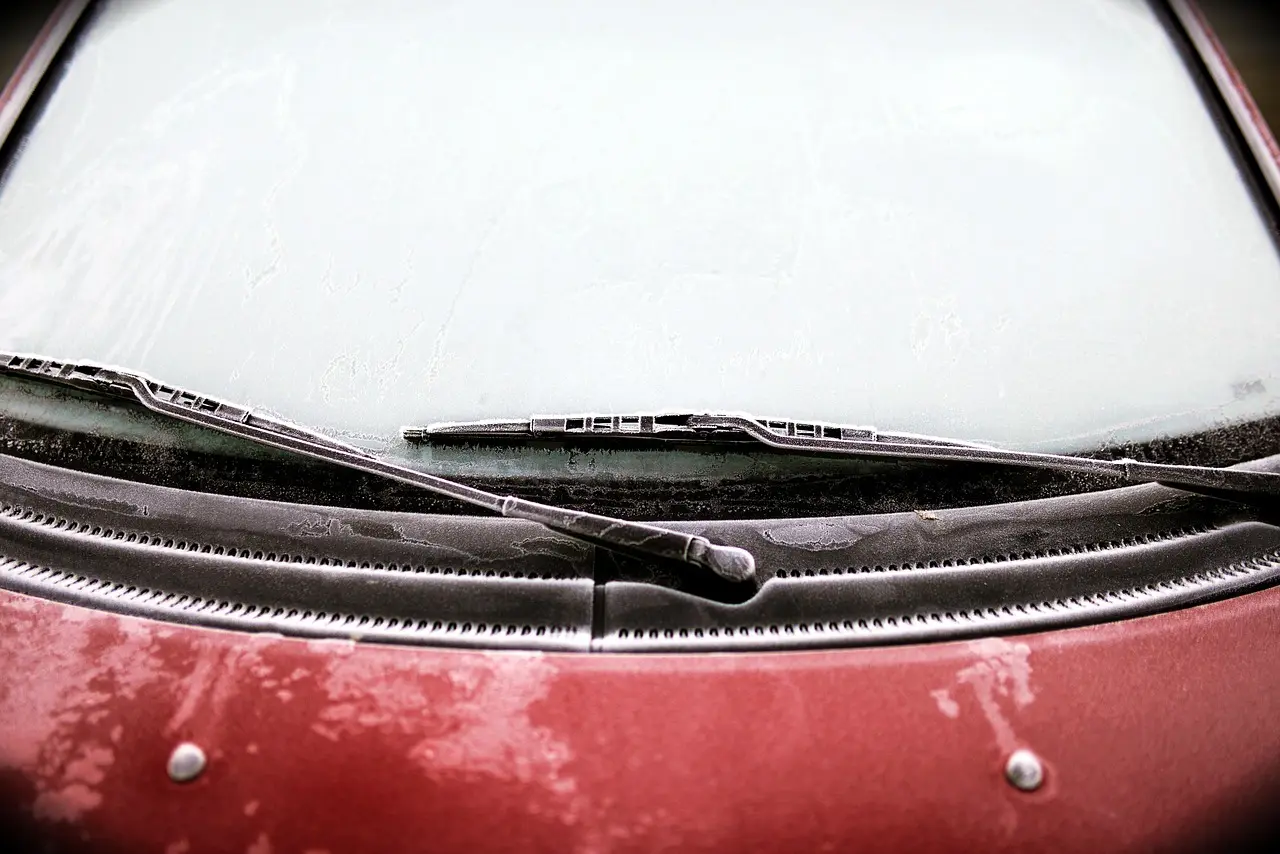
The squeak usually comes from rubber-to-glass contact, not the wiper system itself. When the blade edge cannot glide smoothly, it slips, grabs, and releases in quick cycles that make noise. That same contact problem can also cause chatter, skipping, and streaks.
It helps to separate the symptoms:
- Squeak: a high-pitched sound from a dragging edge.
- Chatter: rapid vibration as the blade bounces or hops.
- Skip: the blade loses contact and leaves missed patches.
Those are related, but they are not the same failure pattern.
Dirty or dry glass is often the real cause
Dirty glass is the most common reason for squeaking. Road film, dust, pollen, insects, and oil residue can build up on the windshield and make the blade grip instead of glide. Dry glass raises friction even more, which is why washer fluid should be used before wiping.
If your windshield looks clear at a glance but squeaks only in certain spots, that often points to a film on the glass, not a bad motor or bad blade. Silicone residue from prior treatments can also leave a slippery-then-grabby surface that changes contact from one pass to the next.
Why do my windshield wipers squeak when it’s raining?
Wipers can still squeak in the rain when the glass has a stubborn film, the blade edge is worn, or the arm is pressing unevenly. Rain does not always remove all friction. If the blade is skipping or leaving streaks in wet weather, the problem is usually beyond simple annoyance.
Why wet weather does not always solve the noise
Rain helps only if the water film is even and the blade edge is healthy. A dirty windshield can still hold enough contamination to make the rubber chatter across the surface. A weak arm, bent arm, or poor blade fit can make that worse on a curved windshield.
Modern windshields are not perfectly flat, so contact pressure varies across the blade. If one section touches harder than the rest, that section can squeak while the rest of the blade seems fine.
Can worn wiper blades squeak even when they still move?
Yes. Old wipers can squeak even if they still sweep across the glass. As the rubber edge ages, it can harden, crack, or split, which changes how the blade contacts the windshield. Dirty or neglected blades can also leave marks and scarring on the glass.
What aging does to the rubber wiping edge
Windshield wiper blades wear out over time. The edge loses flexibility, and the rubber can develop tiny cracks that you may not see at first glance. That makes the blade less able to maintain smooth contact, so it starts to squeak, chatter, or skip.
Old wipers begin to crack and disintegrate as they age, and many guides recommend changing wipers every year as common maintenance. That is not a hard rule, but it is a practical benchmark once noise or streaking starts to appear.
Why do new windshield wipers squeak?
New blades can still squeak if they are fitted wrong, the windshield is contaminated, or the blade style does not match the glass shape. New rubber does not fix a dirty windshield. It also does not fix an incorrect arm angle or weak pressure from the wiper arm.
Incorrect installation and fitment problems
Incorrect installation is a common cause. A blade that is not fully locked in place, is mounted backward, or sits at the wrong angle can drag instead of wipe. New blades can squeak even when they are not defective, so check the fit before assuming the part is bad.
Windshield curvature and blade design
Beam wiper blades use a flexible structure that is better able to conform to curved windshields. That matters because modern glass is not perfectly flat, and a stiff or poorly matched blade may press harder in one area than another. Uneven pressure often means more noise.
Wiper arm angle and pressure
The wiper arm can be bent, damaged, or weakened, which changes how much pressure reaches the blade. If the arm does not hold the blade squarely to the glass, one edge may drag while the other floats. That uneven contact can make a brand-new blade squeak.
Picture a compact hatchback with a steeply curved windshield and a new conventional blade that looks correct on the package. If the blade does not match the glass shape well, the outer ends may chatter while the center tracks normally. That is a fitment problem, not automatic proof of a bad blade.
Use this 5-step diagnosis to find the cause
Follow the tests in order. Start with the simplest contact checks before replacing parts. That keeps you from buying blades when the real problem is dirt, dry wiping, or arm pressure. The table below separates the likely cause from the next fix.
| Test | What to do | What the result points to | Likely fix |
|---|---|---|---|
| Dry wipe | Run the wipers on dry glass for a brief pass. | High friction from dry wiping if squeak starts immediately. | Use washer fluid first; do not keep wiping dry glass. |
| Wet wipe | Wet the windshield with washer fluid and repeat the sweep. | If the noise drops, contamination or dryness may be part of the cause. | Clean the glass and blade edge thoroughly. |
| Blade swap | Swap the left and right blades if they are the same size. | If the noise follows one blade, that blade is suspect. | Replace the noisy blade. |
| Edge inspection | Inspect the rubber for cracks, hardening, splits, or torn edges. | Visible wear usually means the blade edge may no longer be making ideal contact. | Replace the blade. |
| Arm-pressure check | Look for bent arms, weak spring pressure, or uneven blade contact. | Uneven sweep or light contact points to an arm issue. | Correct the arm or replace the arm assembly if needed. |
- Run a short dry wipe and note the sound.
- Apply washer fluid and repeat the wipe.
- Clean the glass and the blade edge.
- Swap blades side to side if sizes match.
- Inspect the rubber edge for cracks or hard spots.
- Check wiper arm pressure and alignment against the glass.
How do you keep your windshield wipers from squeaking?

Keep squeaking down by cleaning the windshield, keeping the blade edge free of grime, and using washer fluid before wiping. Check installation, blade fit, and arm pressure if the sound remains. Replace blades once the rubber hardens, cracks, or stops staying in full contact with the glass.
Clean the glass and blade edge
Start with the windshield itself. Road film, dust, pollen, insects, and oil residue all increase friction. Wipe the glass with a proper glass cleaner, then clean the rubber edge gently so you are not dragging grit across it on the next pass.
That first cleaning step matters because a dirty windshield can make even a good blade squeak. If the noise disappears after cleaning, the blade may still be usable.
Check installation and alignment
New wiper blades should be checked before assuming they are defective. Make sure the connector is locked in, the blade faces the correct direction, and the arm sits at the proper angle. Poor fitment is a common reason for squeak on newer blades.
Replace blades when the rubber is worn or hardened
If the rubber wiping edge is cracked, hard, split, or missing pieces, cleaning will not restore proper contact. At that point, replacement is the right fix. A worn edge can squeak and can also leave streaks that reduce visibility in rain.
When squeaking means it is time to replace the blades
Replace the blades when the noise stays after cleaning, the rubber edge is visibly worn, or the sweep leaves streaks and missed patches. That is especially true if the blade chatter or skip comes with poor clearing in rain. Beam wiper blades may fit curved glass better when standard blades struggle.
Signs the blade edge is past repair
If the rubber has cracks, splits, hardening, or uneven wear, replacement is the practical move. Dirty or neglected blades can leave marks and scarring on the windshield, so waiting can create a second problem on the glass itself. Noise plus streaking is a strong replacement signal.
A common first-timer mistake is replacing only one blade because only one side squeaks. If both blades are the same age and one has hardened, the other is often close behind. A matched set can be the cleaner long-term fix.
Why beam wiper blades may fit curved glass better
Beam blades use a flexible structure that can follow windshield curvature more closely than some older framed designs. That can help distribute pressure more evenly across the wiping edge. Better contact often means less squeak on modern glass that is not perfectly flat.
Is it normal for windshield wipers to squeak?

A brief squeak after the first swipe can happen, but repeated squeaking is not something to ignore. Ongoing noise usually means friction is too high or contact is uneven. If the blades also streak, chatter, or skip, visibility is being affected and the issue needs attention.
When it is only an annoyance
If the wipers squeak once on a dry morning and then quiet down after washer fluid clears the glass, the issue may be minor contamination. In that case, cleaning and proper wet wiping may be enough. The noise is still a sign to check the blades soon.
When it is a visibility problem
When squeaking comes with missed patches, smearing, or poor clearing in rain, it stops being a nuisance and becomes a visibility issue. That is the point to clean the system, verify installation, and replace worn parts without delay.
Frequently asked questions
What causes squeaky windshield wipers
The most common causes are dirty glass, dirty or worn blades, dry wiping, incorrect installation, and weak or bent wiper arms. Those problems all change the contact between rubber and glass. Once that contact becomes uneven, squeak often appears along with chatter or skipping.
Why do my windshield wipers squeak even if they’re new
New blades can squeak if the windshield is contaminated, the blade is installed incorrectly, or the blade design does not suit the windshield curvature. A bent or weakened arm can also reduce pressure in the wrong places. New parts still need correct fit and proper contact.