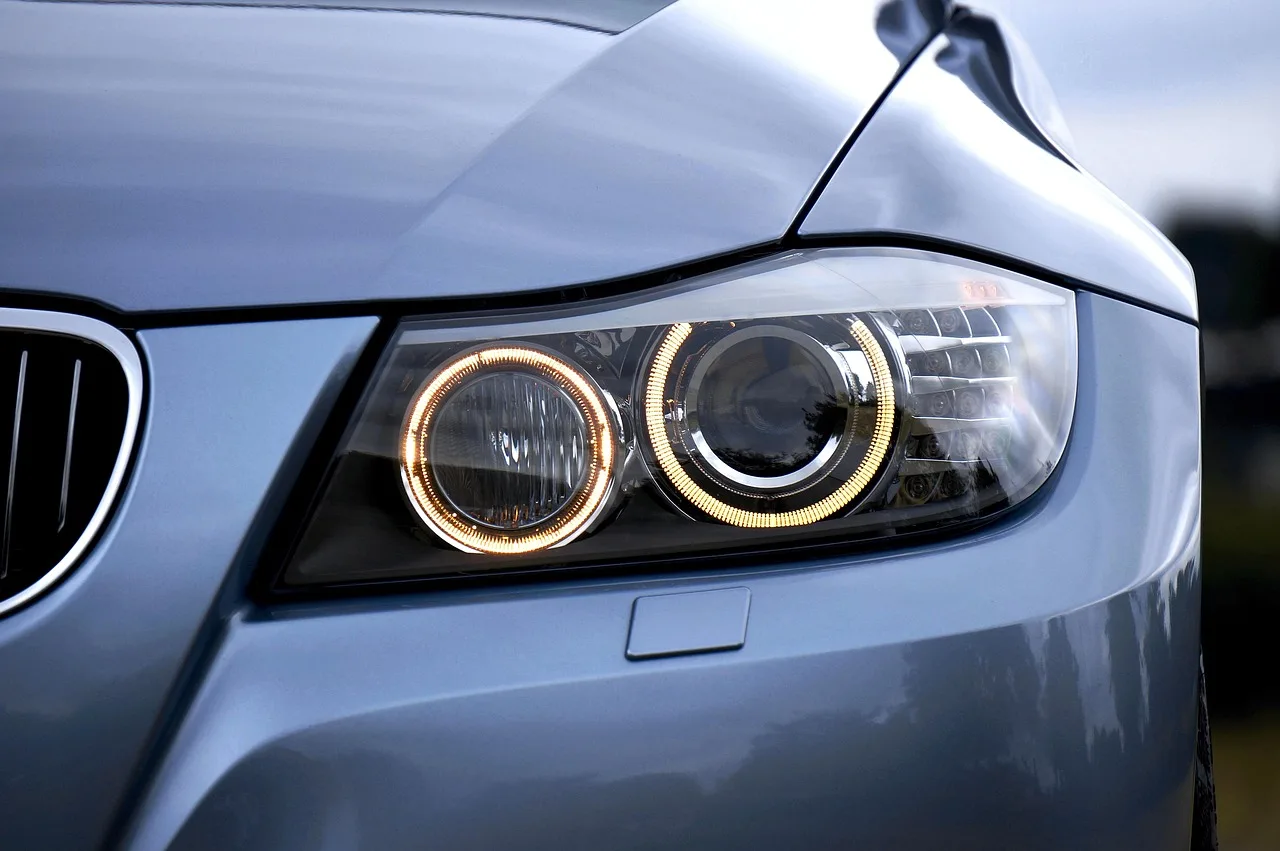
LED vs Halogen Headlights Distance: Which Lets You See Farther?
LED headlights usually let you see farther only when the housing is built for them. A well-aimed halogen projector can perform better than a poorly executed LED retrofit, since beam pattern and optics are often more important than bulb type. Poor matching can cut usable distance, create glare, and make night driving harder.
Why LED efficiency doesn’t guarantee better road reach
| Decision factor | LED | halogen headlights distance | Winner |
|---|---|---|---|
| Beam throw | Can throw farther when the emitter, cutoff, and optics are matched to the housing. | Often more predictable in housings built around a filament source. | tie |
| Hotspot concentration | Can be strong, but retrofit bulbs may spread light in the wrong places. | Usually forms the intended hotspot in a filament-designed reflector or projector. | halogen headlights distance |
| Foreground spill | Can be too bright near the car if the optic is not controlled well. | Often less harsh in the foreground when the beam is properly aimed. | halogen headlights distance |
| Wet-road visibility | Cool white output can look sharper, but it can also increase backscatter in rain, fog, and snow. | Warmer light can look less harsh in mist and on wet pavement. | halogen headlights distance |
| Glare risk | Higher with poor retrofit fit, especially in reflector housings. | Lower when the housing was built for halogen geometry. | halogen headlights distance |
| Housing compatibility | Strong in OEM LED modules and projector optics designed for LEDs. | Strong in original halogen reflector and projector systems. | tie |
Beam throw
Beam throw is about how much usable light lands far enough down the road to identify hazards in time. LED stands for light emitting diode, and LED lighting products produce light up to 90% more efficiently than incandescent light bulbs, but efficiency does not automatically equal road reach. The farthest-seeing setup is the one with the best beam control.
LED headlights can be brighter than halogen bulbs, and LED headlights can cast a larger light pattern on the road. That still does not settle the distance question, because a wider pattern can waste light on the shoulders or the first 20 feet in front of the bumper instead of the next curve, sign, or lane edge.
Hotspot concentration
Candela matters more than raw output for distance because it describes beam intensity in the hotspot. Lumens are source brightness, not a direct measure of how far the beam reaches. A bulb with high lumens can still send too much light sideways or downward to improve forward seeing distance.
Halogen headlights use a tungsten filament inside halogen gas, and halogen bulbs heat the filament to 2500 C to create light. In a housing designed around that filament, the hotspot often lands where the optic expects it. That is why a lower-output bulb can sometimes look less flashy yet reach farther on the road.
Foreground spill
Foreground spill is the light close to the car. More foreground light can make the area in front of the hood look bright, but it can also reduce perceived distance because your eyes adapt to that near field and lose contrast farther ahead. Brightness does not always mean better.
Say your parking lot edge looks very bright at 10 feet, yet a sign at 150 feet seems dim. That setup favors foreground spill over road reach, so the beam is spending light too close to the vehicle.
📊 LED lighting products produce light up to 90% more efficiently than incandescent light bulbs. Source: Learn About LED Lighting.
Why brightness can mislead
LED headlights light up at full brightness instantly, which can make them feel more forceful the moment they switch on. That does not mean they reach farther. The useful question is where the light lands, how sharply the cutoff is drawn, and whether the hotspot is concentrated far enough down the road.
Lumens are not distance
Lumens describe total light output. They do not tell you whether the beam is narrow, wide, high, low, or aimed well. Two headlights can list similar lumen claims and still produce very different road visibility because one sends more light into the right part of the beam pattern.
That is why marketing claims built around output alone are incomplete. A broad beam can be bright enough to impress in a driveway and still leave the far lane dark.
Candela is closer to real throw
Candela is the more useful distance metric because it measures intensity in a given direction. A strong hotspot with a clean cutoff generally gives better forward reach than a loose spray of light. For night driving, that matters more than a large total number on a box.
LEDs are directional light sources, so they can work very well when the emitter position and optic design are matched. In the wrong housing, that same directionality can work against you by putting the brightest part of the beam in the wrong place.
Beam pattern and housing optics
Headlight housing affects performance. Projector lenses generally concentrate light into a tighter beam and a cleaner cutoff. Reflectors spread light over a wider area with less control. That difference changes not only brightness, but where the beam stops and how much glare escapes upward.
Reflector housings
Reflector housings are more tolerant of a wide spread, but they are also easier to upset with a retrofit bulb that does not match the original filament position. A poorly placed LED emitter can scatter light, soften the cutoff, and throw more glare without adding useful road reach.
A common first-timer mistake is treating a brighter-looking reflector beam as a longer-reaching beam. If the wall pattern shows a bloated hotspot and a fuzzy upper edge, the setup may look powerful while actually reducing usable distance.
Projector housings
Projectors are usually better for controlling the cutoff and shaping the hotspot. That is why a good projector can make either bulb type perform more cleanly than a basic reflector. The housing, not the bulb label, often decides how much of the light gets to the road.
OEM LED module systems are different from drop-in LED retrofit bulbs. Factory LED modules are built around the emitter shape, thermal path, and optic geometry. A retrofit bulb tries to fit a filament-style space, which is where beam distortion and glare often begin.
Do LEDs reach farther in bad weather?
Cooler white light does not automatically improve visibility in rain, fog, snow, or on wet reflective pavement. In those conditions, beam color and cutoff control matter more, and a cooler white beam can create more backscatter. A warmer halogen beam can sometimes look less harsh, even if it is not brighter overall.
Rain and wet pavement
Wet asphalt reflects light back toward you, which can flatten contrast and hide lane edges. A beam with a strong foreground and a loose cutoff can make that worse by washing the scene with reflected glare. Dry-road reach and wet-road visibility are not the same thing.
Suppose a commuter route has fresh rain and dark pavement. The car with the tighter cutoff and better hotspot may feel easier to drive, even if the other car has the whiter bulb and the larger quoted output.
Fog and snow
In fog and snow, light scatter increases fast. A cooler color temperature can seem harsher because more light bounces back into your eyes. Halogen’s warmer output does not fix the weather, but it can be easier to live with when visibility is already reduced.
This is also where a bright foreground becomes a liability. Near-field glare makes it harder to pick out the far edge of the lane, which is the opposite of what distance lighting should do.
Aim, alignment, and legality
Aim and alignment can make a good bulb perform poorly or make a poor one seem acceptable. Vertical aim is especially important. Over-aiming can push the cutoff too high, which creates glare for other drivers and steals useful light from the road immediately ahead.
Beam cutoff and alignment
If the bulb sits off-center or the housing was not designed for that emitter shape, the cutoff can become uneven. Horizontal misalignment can also shift the hotspot away from the lane center. That is why a clean installation matters as much as the bulb choice itself.
Check the wall pattern before driving at night. A useful beam should have a stable cutoff, a centered hotspot, and no obvious stray light above the cutoff line.
DOT, SAE, and ECE rules
Legal compliance matters because beam pattern legality can override a theoretical distance gain. DOT/SAE and ECE requirements generally focus on how the lamp lights the road and how much glare it sends toward other drivers’ eyes. A retrofit that looks stronger on paper can still be a poor road choice if it is not compliant for that housing.
Headlight distance comparison table
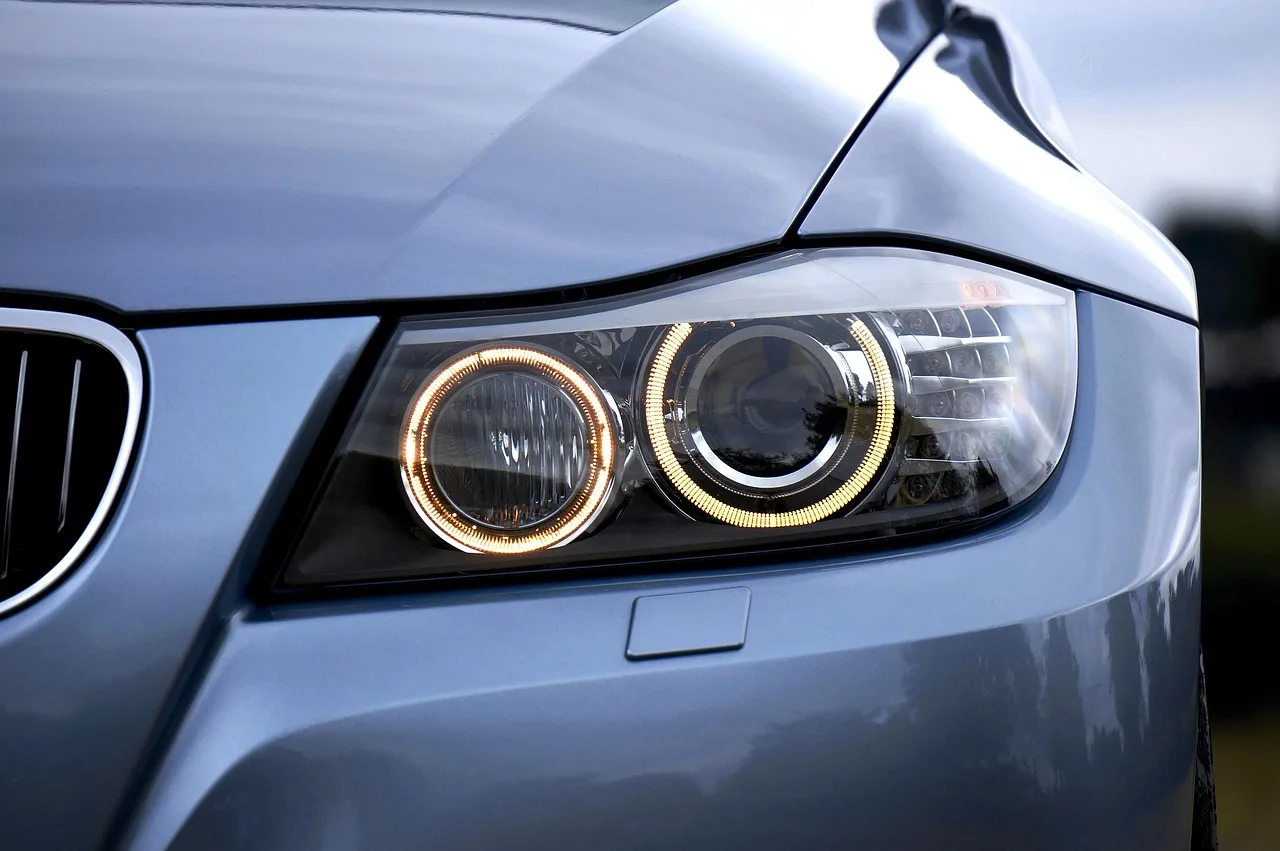
Use this table as a usable-distance guide, not a raw brightness contest. The “better” choice changes with the housing, beam shape, and how much control the optic gives over hotspot, cutoff, and glare.
| Usable-distance factor | LED | halogen headlights distance | Winner |
|---|---|---|---|
| Dry-night beam throw | Strong in a compatible projector or OEM module. | Strong in a housing built around filament geometry. | tie |
| Hotspot quality | Very good when the emitter and optic are matched. | Very good in the original intended housing. | tie |
| Foreground spill control | Can be worse in a retrofit setup. | Usually more predictable. | halogen headlights distance |
| Wet, fog, or snow visibility | Can look harsh and backscatter more. | Often easier on the eyes. | halogen headlights distance |
| Glare risk in reflector housings | Higher if the bulb is not designed for that reflector. | Lower when the reflector was built for halogen. | halogen headlights distance |
| Projector housing fit | Very good in OEM LED or LED-designed projectors. | Very good in original halogen projectors. | tie |
How to read the table
When the winner is a tie, the housing and aim are doing the heavy lifting. When halogen wins, it is usually because the beam is more controlled in that specific setup, not because halogen is inherently “brighter.” When LED wins, it is usually because the optic was built for it.
If you want a quick practical check, park about 25 feet from a wall on level ground, compare the left and right beam cutoffs, and confirm that the hotspot sits where the road would be. Then repeat the check on a dark road with lane lines and signs. The wall helps with alignment; the road reveals reach.
- Confirm the housing type: reflector, projector, or OEM LED module.
- Check the beam pattern for a clean cutoff and a centered hotspot.
- Compare foreground spill against road reach on a wall and on the road.
- Verify vertical aim before judging brightness.
- Check DOT/SAE or ECE fit before buying a retrofit bulb.
- Review thermal management if you are considering LED.
Choose LED if… / Choose halogen headlights distance if…
Choose LED if your vehicle has an OEM LED system, or a projector housing built for LED optics, and you want fast start-up, strong efficiency, and stable output when cooling is handled correctly. LEDs typically do not burn out in the same way filaments do, and LED lifetime is often tied to a 30% light-output drop. (Energystar)
Choose halogen headlights distance if your vehicle has a halogen reflector or projector that already controls the beam well, or if a retrofit LED would be outside the housing’s design. Halogen is also the safer bet when you care most about predictable cutoff behavior, wet-weather comfort, and lower glare risk.
Thermal management is the last check for LED. A poorly cooled LED can lose output stability over time, even if the first impression is strong. The bulb may be efficient, but if its driver or heat sink cannot keep it in range, usable distance can drift.
Frequently asked questions
Which headlights let me see farther at night, LED or halogen?
Neither wins by default. The farther-seeing setup is the one with the better beam pattern, hotspot placement, cutoff control, and housing match. A good halogen projector can outrun a weak LED retrofit, while an OEM LED module can beat a basic halogen reflector.
Do LED headlights actually throw light farther down the road than halogen?
They can, but only in the right optic. LEDs are directional light sources, so they can throw light well when the housing is built around their emitter shape. In the wrong reflector, the same bulb may look bright without putting more usable light farther ahead.
Is a brighter headlight always better for seeing distance?
No. Lumens are source output, not distance. A bright foreground can reduce perceived reach if it steals light from farther down the road. For distance vision, candela and beam control matter more than a higher output claim on the box.
Do reflector or projector housings change how far LED headlights reach?
Yes, a lot. Projectors usually control cutoff and hotspot shape better than reflectors, and reflectors spread light over a wider angle with less intense focus. A retrofit LED in the wrong reflector can scatter light and create glare instead of more reach.
Can LED headlights improve distance vision in the rain or fog?
Not automatically. In rain, fog, snow, and on wet pavement, cooler white light can increase backscatter and glare. A carefully aimed beam with a good cutoff matters more than color alone, and warmer halogen light can sometimes feel easier to use in mist.
Why do some LED retrofit bulbs look bright but not project farther?
Because brightness near the car is easy to see, while useful road reach depends on where the beam lands. A retrofit LED can flood the foreground, soften the cutoff, and scatter light in a reflector housing. That can look impressive on a wall and still perform worse on the road.
Are halogen headlights ever better for seeing distance than LEDs?
Yes. If the halogen beam is in a housing designed for it, and the LED is a mismatched retrofit, halogen can provide better usable distance with less glare. The housing and aim often matter more than the bulb category itself.
What headlight beam pattern gives the best forward distance, not just brightness?
The best pattern has a sharp cutoff, a centered hotspot, limited foreground spill, and enough intensity in the far beam to reveal signs and lane edges early. That pattern is usually produced by the housing first, then the bulb type. Clean optics beat raw brightness.