Are All-Season Tires Good for Winter Driving?
All-season tires are commonly considered a workable choice for light winter use when roads stay mostly wet or lightly slushy, temperatures are above about 45°F on most trips, and tread depth is still near 4/32 inch or better. For regular snow, ice, or freezing commutes, winter tires are safer. Ignore that cutoff and stopping distances grow, grip drops, and traction loss can turn a normal drive into a crash risk. This guide shows how to judge road conditions, trip timing, and tread so you can choose all-season, all-weather, or winter tires with confidence.
Winter tire decision matrix
This decision table gives the practical cutoff many drivers need. It separates plowed city streets, light snow, ice, and unplowed routes so you can judge whether standard all-seasons are enough, whether all-weather tires are a better compromise, or whether winter tires are the safer call.
| Winter condition | All-season acceptable | All-weather acceptable | Winter tires recommended |
|---|---|---|---|
| Plowed city roads | Yes, if trips stay mostly on cleared streets and temperatures are above about 45°F | Yes, especially for cold mornings and mixed wet or slushy pavement | No, unless you face frequent ice or steep routes |
| Occasional light snow | Sometimes, if tread is near 4/32 inch or better and you can delay travel when conditions worsen | Yes, often a better year-round fit than standard all-seasons | Recommended if the route turns to packed snow or ice |
| Frequent freezing and ice | No, because cold rubber and ice braking become weak points | Limited; better than standard all-seasons, but still not the best choice for harsh winter driving | Yes, winter tires are the safer option |
| Unplowed hills and rural roads | No, especially for early starts, late returns, or routes with shade and drifted snow | Usually not enough | Yes, this is the kind of route winter tires are designed for |
Tread-depth checkpoint
Check tread before winter starts. Tires are considered worn out at 2/32-inch tread depth, and for winter it is wise to start shopping at 4/32-inch tread depth. Deeper tread helps resist hydroplaning and sliding, and shallow tread gives you less margin in slush and packed snow. (Consumerreports)
A common mistake is assuming all-season tires will feel the same on a steep, icy driveway as they do on a dry commute. If the grooves are already close to 4/32 inch, the tire may still be legal, but it is no longer a good winter candidate.
Temperature trigger
A common rule of thumb is to use about 7ºC / 45ºF as the point where the decision changes. CAA says all-season rubber hardens at around 7ºC and below, so grip falls even on dry roads. That matters on a clear morning commute as much as on a snowy one.
What are all-season tires designed for?
All-season tires are built for drivers who face dry pavement, rain, and only light snow on a limited number of days each year. They fit mild to moderate climates, where roads are cleared quickly and winter cold does not stick around for long. Their compound and tread pattern are not aimed at harsh cold, ice, or deep snow.
Year-round balance of dry and wet traction
These tires are a compromise, not a specialty winter tool. Continental says the right all-season choice depends on climate, weather, and temperature drop, and it says all-season tires perform well in moderate climates. That makes them practical for many drivers who want one set through the year.
Why they usually fit mild winter climates
They work best when roads are treated quickly, trips are short, and snow is light. Les Schwab notes that all-season tires provide some traction in light snow, and CAA says M and S tires provide better traction than summer and all-season tires in light snow. That still leaves a gap versus true winter tires.
Are all-season tires good for winter driving?
Yes, but only for limited winter conditions. They are workable on plowed city roads, cold dry pavement, and occasional light slush if the tread is healthy and the temperature stays near or above 45°F on most trips. They are generally not the right choice for frequent ice, packed snow, or unplowed roads.
When they are workable
If your winter driving means a short trip on a salted arterial road after sunrise, standard all-seasons can be enough. They are most reasonable for drivers who can postpone travel when the weather turns bad and who stay on maintained roads rather than steep side streets or rural lanes.
Picture a commuter who leaves a garage in the city, drives mostly on plowed streets, and parks again before evening refreeze sets in. If tread is still near 4/32 inch and the forecast is for wet pavement with a dusting of snow, all-seasons may be acceptable.
When they become the wrong choice
Once roads stay snow-covered, ice shows up, or the route includes hills, the answer changes fast. Consumer Reports says winter/snow tires provide the best available grip in foul winter weather and are best for harsh winter driving conditions. That is the safer call for recurring winter exposure.
How road treatment changes the answer
Plowed city roads and salted highways are one category. Unplowed neighborhood streets, rural roads, and shaded hill climbs are another. The more the route depends on the driver clearing snow by driving through it, the less acceptable all-seasons become.
Why cold weather changes tire grip

Cold weather reduces grip even when the road is dry. The rubber stiffens, the tread conforms less to the road surface, and braking on cold pavement gets worse before snow even arrives. Around 7ºC / 45ºF, the change starts to matter for regular driving.
Rubber stiffens in cold air
When the compound hardens, it loses flexibility. That reduces contact quality with the road and makes the tire less able to bite into small surface texture. CAA’s warning about all-season rubber hardening at around 7ºC is important because it affects dry, wet, and snowy roads.
Traction loss on clear roads
Cold dry pavement can still be a problem. Drivers sometimes assume tire grip only matters after snow starts falling, but the first reduction in traction often shows up on cold clear roads during braking, turning, and acceleration. That is why temperature matters even without precipitation.
What makes winter tires different?
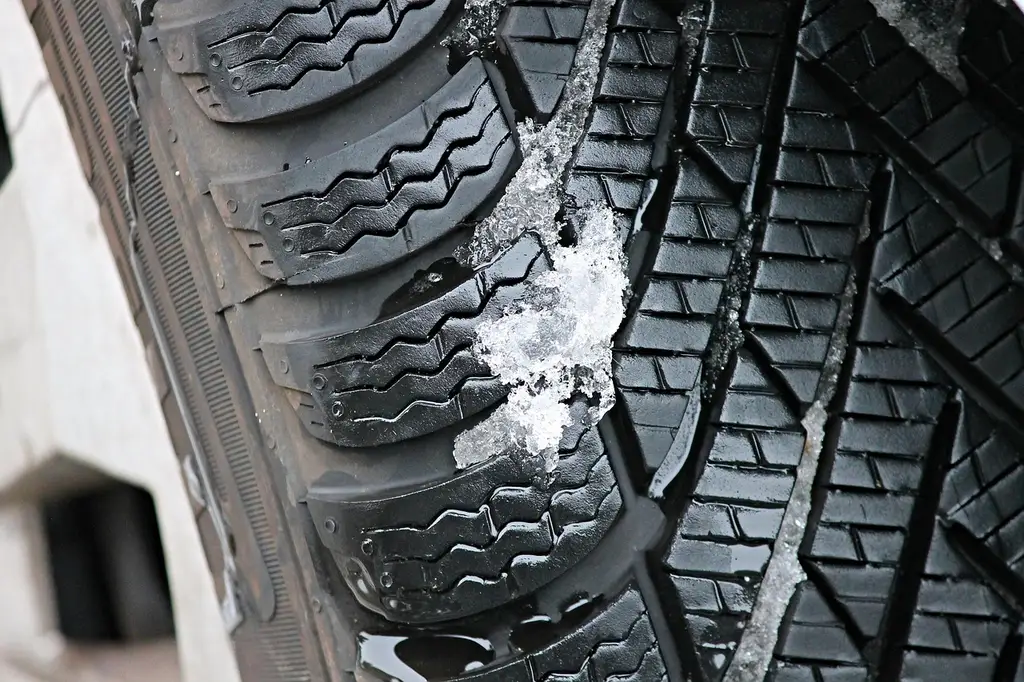
Winter tires are designed for snow, ice, and freezing temperatures. They remain flexible in cold conditions, use deeper grooves and more biting edges, and are recommended for harsh winter driving. They are also marked with the three-peaked mountain and snowflake symbol.
Flexible cold-weather rubber
The compound is built to stay pliable when temperatures fall. That flexibility helps the tread follow the road surface and maintain grip in conditions where all-season tires start to harden.
Deeper grooves and more biting edges
Winter tires have more open tread voids and extra edges that help in snow and slush. Those details matter in packed snow and on ice, where all-seasons usually give up much of their advantage. The same source says winter tires can provide up to 50 percent more traction than all-seasons.
Three-peaked mountain and snowflake symbol
The three-peaked mountain and snowflake symbol is a traction test indicator for tires suited for winter service. It is different from M and S marking. The same source recommends choosing tires with the snowflake symbol when you need true winter capability.
Are all-weather tires a better middle ground?
Often, yes. All-weather tires are a stronger all-season category with better cold-weather capability than standard all-seasons. They can stay on the vehicle year-round and may carry the 3PMSF rating, which puts them closer to winter tire performance without requiring a seasonal changeover.
How all-weather tires differ from standard all-seasons
They bridge the gap between all-season and winter tires. That makes them useful for drivers in mild-to-moderate climates who want one set of tires for the whole year but still face regular cold snaps, early snow, or slushy commutes.
When they are a better fit than all-seasons
If you live where temperatures dip below 45°F often, but roads are usually plowed and you do not face deep snow or steep rural routes, all-weather tires can make more sense than standard all-seasons. They are a stronger year-round choice for cold climates with moderate winter exposure.
Where winter tires still win
All-weather tires are not the same as winter tires. In repeated ice, packed snow, and unplowed conditions, winter tires still have the advantage. If your route includes early-morning refreeze, hill starts, or roads that stay snow-covered for days, winter tires remain the safer tool.
When should you choose winter tires instead?
Choose winter tires when your winter driving includes frequent ice, packed snow, steep hills, or unplowed roads, or when you cannot delay travel until conditions improve. If your commute must happen before plows or salt trucks have worked the route, winter tires are the safer call.
Frequent ice or packed snow
Ice is where all-season tires lose their usefulness fastest. Packed snow also favors winter tread because it gives the tire more edges to work with and more room to clear away snow. If your local roads pack down between storms, move winter tires to the front of the list.
Steep hills and unplowed roads
Hills add stress during both braking and starting. Rural roads often stay drifted, shaded, or untreated longer than city streets, which means the tire has to do more of the work. That is a winter-tire scenario, not a standard all-season one.
Trips that cannot wait
If you must drive at dawn, late at night, or during active snowfall, you cannot count on improved road treatment. When timing cannot change, tire choice matters more. Winter tires are the safer answer for drivers who must keep moving in harsh weather.
Frequently asked questions
Are all-season tires okay for winter and snow conditions?
They are okay for light snow and short trips on treated roads, but they are not the best option for packed snow, ice, or deep cold. Their performance drops as temperatures fall, and worn tread makes winter risk climb quickly.
Can you drive with all-season tires in winter?
Yes, if winter means wet or lightly slushy city roads and you can avoid bad weather. Check tread depth first, because 4/32 inch is the point where winter shopping should start. Below that, the tire is still legal in many places but less suitable for winter.
Are all-weather tires good for winter driving?
Yes, they are often a better middle ground than standard all-seasons. They usually carry the 3PMSF rating and hold up better in cold weather, but they still do not match winter tires on ice, packed snow, or unplowed routes.
What tires are recommended for winter driving?
Winter tires are recommended for harsh winter driving conditions, especially on snow, ice, and freezing roads. Look for the three-peaked mountain and snowflake symbol, not just M and S marking. That symbol indicates a tire suited for winter service.
What tread depth is enough for winter driving?
Start shopping at 4/32 inch, and do not treat 2/32 inch as acceptable for winter. Worn tread cannot move slush and snow as well, and it gives you less protection against hydroplaning and sliding. Check before the season starts, not after the first storm.