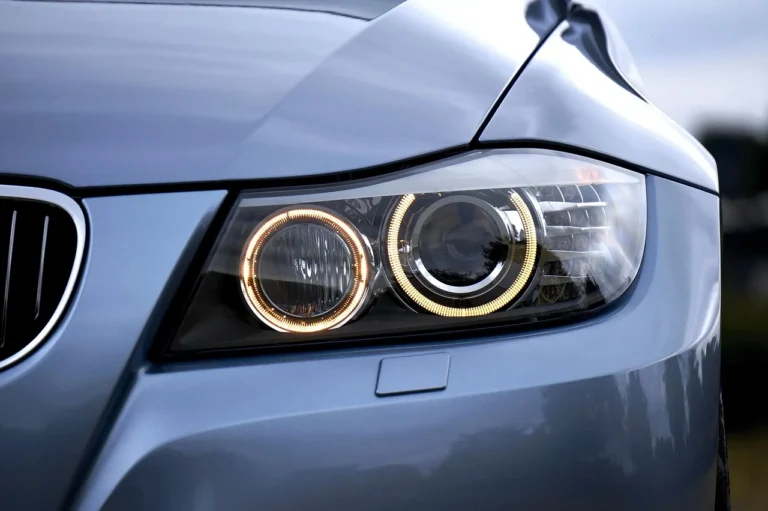
LED vs halogen headlights power consumption: watts saved
LED headlights often use roughly 25 to 35 watts less per bulb than halogens, so a 55W halogen may be replaced by an LED in the roughly 18–30W range. If you ignore the actual watt rating, you can buy the wrong bulb, overload a small wiring harness, or miss that the savings are only a few amps on a 12V car. This guide compares watts, amps, and real-world electrical savings so you can judge whether an LED retrofit is worth it.
| Decision factor | LED | halogen headlights power consumption | Winner |
|---|---|---|---|
| Typical headlight power draw | About 18-30W per retrofit bulb in common car-fitment ranges | Usually 55W, with 60W common in some applications | LED |
| Current draw at 12V | About 1.5-2.5A per bulb, before driver losses | About 4.6A for 55W and 5.0A for 60W | LED |
| Electrical savings per bulb | Typically saves 25-35W compared with a 55W halogen | Baseline | LED |
| Electrical savings per pair | About 50-70W for two bulbs, sometimes less after driver losses | Baseline | LED |
| Fitment and optical simplicity | Needs the right housing, driver space, and heat management | Usually direct for the original halogen socket and reflector design | halogen headlights power consumption |
| Best use case | Lower load and lower heat when the lamp, driver, and housing are matched well | Simple replacement in a halogen-spec headlamp | Tie |
How much less power do LED headlights use than halogen?
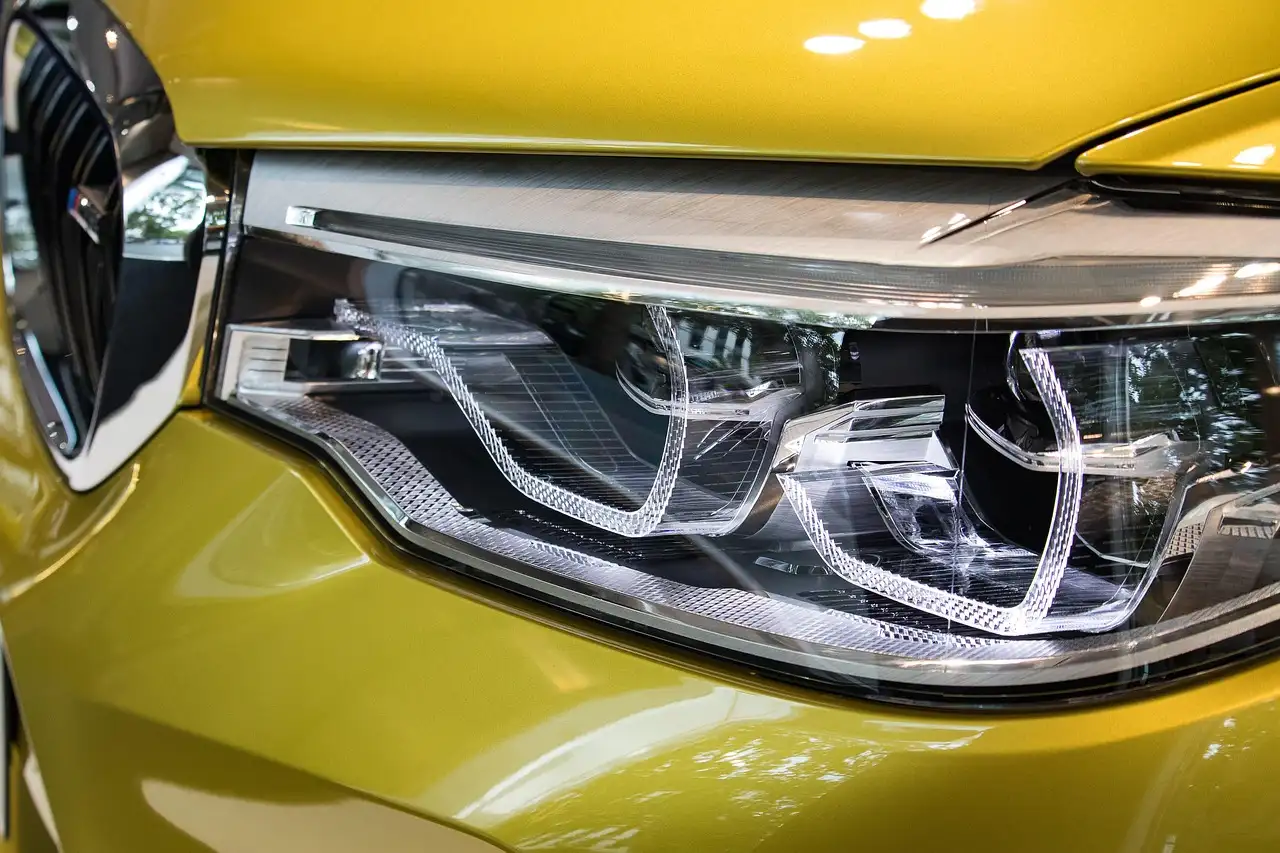
In common car use, LED retrofit bulbs usually draw less power than halogen bulbs by about 25 to 35 watts per bulb, which is roughly a 45% to 60% cut from a 55W halogen. That difference is real, but it is not a fixed rule because bulb design and driver losses change the final number.
Typical halogen wattage in cars
Halogen headlight bulbs are usually rated at 55W, and 60W bulbs are also common. Common fitments such as 9005, 9006, and 9012 often appear in 55W-class applications, although the exact rating depends on the vehicle and headlamp design.
Halogen is a filament-based light source. Most of the input power becomes heat, which is why says incandescent bulbs release 90% of their energy as heat and says LEDs have lower power consumption than incandescent light sources.
Typical LED retrofit wattage ranges
Aftermarket LED headlight bulbs often list about 18W to 30W per bulb, sometimes higher. The listed wattage is not always the true system draw because the bulb may include a driver, extra compatibility electronics, or packaging that limits how much heat the lamp can shed.
LEDs are a solid-state semiconductor light source, and says they produce light through a microchip illuminated by electrical current. says LED lamps convert more than half of input power into light, which helps explain why they need less power for a similar lumen target.
What the watt gap means in plain vehicle terms
If a 55W halogen is replaced by a 25W LED, the bulb saves 30W. On a pair of headlights, that is 60W less load, which is enough to change current draw by a few amps, but not enough to transform the car’s electrical system.
Say your commuter uses two 55W halogens now. Swapping to two 25W LEDs can cut headlight draw from 110W to 50W, but the alternator still has to supply the rest of the vehicle. The effect is measurable, not dramatic.
📊 LEDs were first commercially produced in October 1962. Source: Light-emitting diode.
How do watts translate to amps on a 12V car?
On a 12V electrical system, amps equal watts divided by voltage. That means a 55W halogen draws about 4.6A, while a 25W LED draws about 2.1A. The difference is useful for wiring and load calculations, but it is still a modest change compared with the whole vehicle electrical load.
The watts-to-amps formula
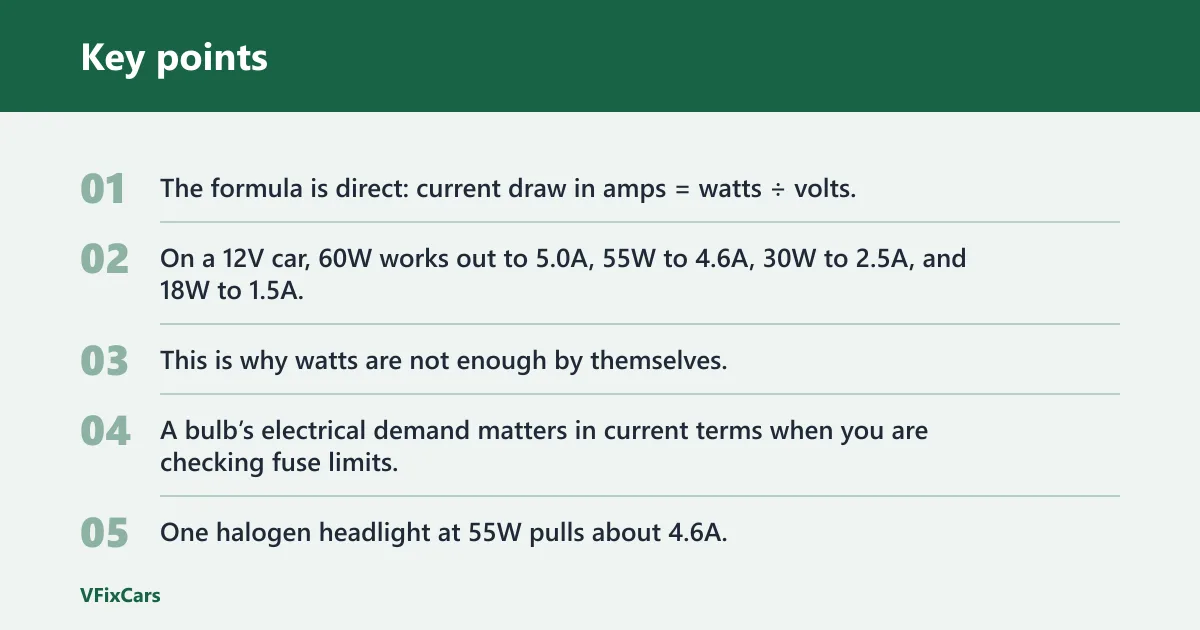
The formula is direct: current draw in amps = watts ÷ volts. On a 12V car, 60W works out to 5.0A, 55W to 4.6A, 30W to 2.5A, and 18W to 1.5A.
This is why watts are not enough by themselves. A bulb’s electrical demand matters in current terms when you are checking fuse limits, cable capacity, and how much the alternator must replace.
Current draw per bulb versus per pair
One halogen headlight at 55W pulls about 4.6A. A pair pulls about 9.2A. A pair of 25W LED retrofit bulbs pulls about 4.2A total, so the drop is around 5A for the pair.
That is the most practical vehicle comparison. It tells you whether an upgrade trims a little load or a lot, and it helps you see why the power savings are real but not massive.
Why alternator load changes are usually modest
Lower headlight draw can reduce alternator load, but the daily effect is usually small because the headlights are only one part of the car’s electrical demand. A 60W reduction may matter more at idle than at highway speed, yet it still rarely changes fuel use in a way a driver will feel.
In ordinary driving, the alternator is also feeding ignition, cabin systems, pumps, infotainment, and charging loads. The headlight swap helps, but it is one piece of a larger electrical picture.
What does lumens per watt tell you?
Lumens per watt is an efficiency metric. It tells you how much light output a lamp produces for each watt of input power, which is useful for comparing technologies, but it does not tell you beam quality or road illumination by itself.
Efficiency versus brightness
Higher lumens per watt means the lamp turns more of its input power into light. says commercial LED lamps can exceed 200 lumens per watt, while halogen headlamps are much lower in practice because a large share of their power becomes heat.
Brightness claims alone do not prove lower draw. A high-lumen LED can still waste power if its driver is inefficient, and a lower-lumen lamp can still have a sharp road beam if the optics are right.
Why higher lumens per watt can still need proper optics
says LEDs are directional light sources, unlike incandescent and CFL lamps. That directionality is useful, but only if the headlamp housing, reflector, or projector is designed to place the light on the road instead of scattering it.
A strong lumen-per-watt figure does not fix a poor beam pattern. In a car, optical design matters as much as raw efficiency.
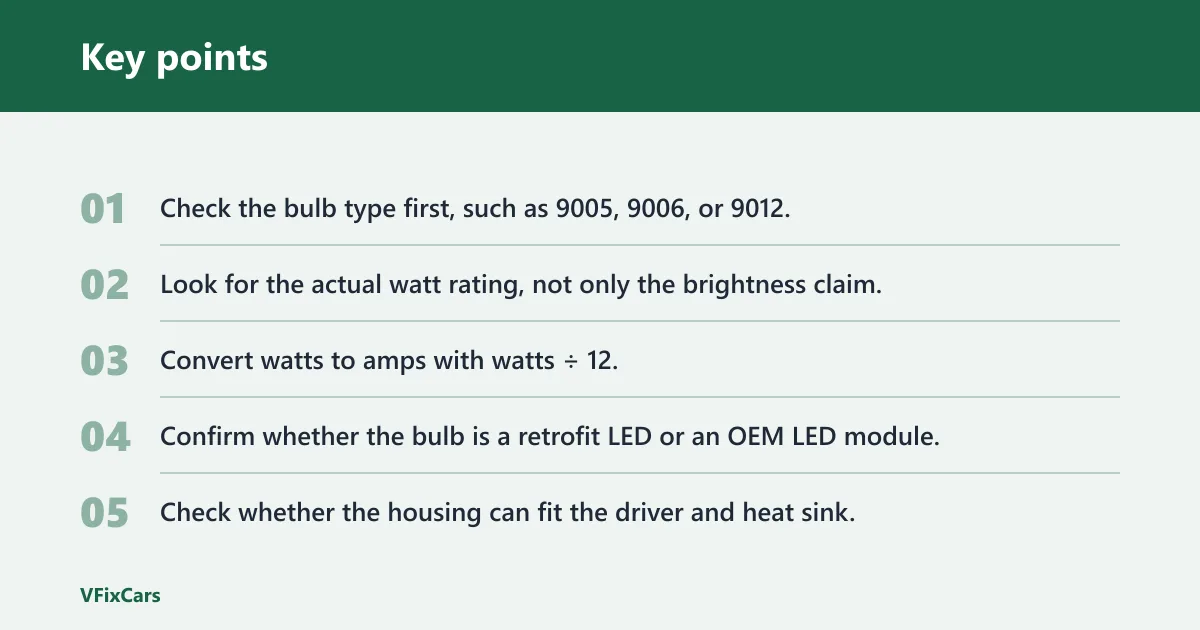
- Check the bulb type first, such as 9005, 9006, or 9012.
- Look for the actual watt rating, not only the brightness claim.
- Convert watts to amps with watts ÷ 12.
- Confirm whether the bulb is a retrofit LED or an OEM LED module.
- Check whether the housing can fit the driver and heat sink.
Are LED retrofit bulbs always more efficient than halogen?
No. LED retrofit bulbs are usually more efficient at the lamp level, but the full system can lose some of that edge to driver circuitry, compatibility hardware, and packaging limits. The wattage printed on the box may not match the draw the vehicle actually sees.
Driver losses and actual draw
LED retrofit bulbs need a driver to regulate current. That driver consumes some power, so a bulb that claims a low LED chip wattage may draw more at the vehicle connector once the electronics are included.
That is why the claimed wattage and the real input draw can differ. For vehicle buyers, the connector-side number matters more than the marketing number.
CANbus and ballast-style compatibility issues
Some vehicles check bulb load for out-bulb warnings, and some LED retrofits add CANbus hardware or load resistors to avoid errors. Those parts reduce the net electrical savings because they burn power that would otherwise be saved.
Older ballast-like add-ons can create similar tradeoffs. They solve a compatibility problem, but they also add heat, cost, and current draw.
Heat sinks and sustained output
says LED heat is managed with a heat sink to prevent overheating, and says thermal management is the single most important factor for LED performance over time. That matters in a headlamp because the bulb must fit inside a tight housing and still shed heat.
A larger heat sink can improve output stability and life, but it can also create fitment problems behind the headlamp. Packaging limits are one reason a lower listed wattage does not always mean a simple drop-in upgrade.
Can lower headlight draw reduce alternator load?
Yes, lower headlight draw reduces alternator load, because the alternator supplies the current that the lights consume. The effect is real, but with headlamps alone it is usually modest in everyday use unless the car runs many electrical loads at the same time.
What the electrical system sees
A pair of 55W halogen bulbs draws roughly 110W in total, or around 9A at 12V. A pair of 25W LED retrofits pulls about 50W, or about 4.2A. That 5A difference is the practical gain.
The car still needs to meet total system demand. Lower headlight current simply leaves a little more margin for charging and accessories.
When the savings matter and when they do not
The savings matter most when cable capacity is tight, idle load is high, or the vehicle already uses many electrical accessories. They matter less in a modern car cruising with the alternator operating well within its normal range.
A common first-timer mistake is to expect a noticeable fuel economy change from headlight LEDs alone. The alternator relief is real, but it is not large enough to promise a visible MPG jump.
Why fuel savings are usually small
Headlights are a small slice of the full vehicle load. Even a 60W reduction is only 0.06 kW, so the fuel impact is tiny compared with the engine’s output and the rest of the electrical system.
That is why LED headlight retrofits make more sense for lower heat and lower current than for fuel savings.
OEM LED headlights versus aftermarket LED replacement bulbs
OEM LED headlights are integrated modules with their own optics, cooling, and control electronics. Aftermarket LED replacement bulbs are a retrofit part that tries to fit a halogen-style socket, so the electrical benefit and beam quality depend heavily on the original housing.
Integrated LED modules
Factory LED headlamps are built around the LED source from the start. The optics, heat path, and driver are matched as a system, so the bulb wattage alone is not a complete comparison.
That is why OEM LED systems often perform differently from a plug-in retrofit, even when both are called “LED headlights.”
Replacement bulb limitations
Retrofit bulbs may fit a 9005, 9006, or 9012 socket, but they still have to deal with reflector geometry, depth behind the bulb, and the extra room needed for a heat sink and driver. Those limits can trim the advantage you expected from the lower watt rating.
If the bulb cannot fit correctly, the beam can suffer even if the electrical numbers look better on paper.
Fitment and beam pattern trade-offs
LEDs are directional, and that helps with optical control when the lamp is designed around them. In a halogen housing, the light source position may differ enough to affect cutoff, hotspot placement, and glare control.
Picture a compact sedan with a shallow headlamp shell. A retrofit LED may save power, but a bulky driver or heat sink can leave too little room behind the housing, which turns an electrical win into a fitment problem.
How many watts do LED headlights use compared with halogen?
Most LED retrofit headlights use about 18W to 30W per bulb, while common halogen headlight bulbs are 55W and sometimes 60W. In practical car terms, that means LEDs often use roughly half to two-thirds less power per bulb than halogen.
Common wattage pairings
A 55W halogen often pairs with a 18W, 25W, or 30W LED retrofit. A 60W halogen is usually compared with the same LED range, because the exact LED wattage depends on driver design and heat control, not only on the socket type.
What is the wattage difference between halogen and LED headlight bulbs?
The typical wattage difference is about 25 to 35 watts per bulb when a 55W halogen is replaced by a common LED retrofit. Per pair, that usually becomes 50 to 70 watts saved, although the real difference can shrink if the LED needs extra compatibility hardware.
Simple car-headlight power comparison
| Bulb setup | Watts per bulb | Current per bulb at 12V | Approximate savings per bulb | Approximate savings per pair | Notes |
|---|---|---|---|---|---|
| Halogen, common 55W | 55W | 4.6A | Baseline | Baseline | Typical halogen rating in many headlamp applications |
| Halogen, common 60W | 60W | 5.0A | Baseline | Baseline | Used in some applications; higher load than 55W |
| LED retrofit, lower end | 18W | 1.5A | 37W versus 55W halogen | 74W versus 55W halogen pair | Real draw can rise with driver losses or compatibility hardware |
| LED retrofit, midrange | 25W | 2.1A | 30W versus 55W halogen | 60W versus 55W halogen pair | Common target range for many retrofit bulbs |
| LED retrofit, upper end | 30W | 2.5A | 25W versus 55W halogen | 50W versus 55W halogen pair | Still usually lower than halogen, but the gap is smaller |
Notes on retrofit losses, driver circuitry, and fitment limits
The table uses bulb-side numbers for easy comparison, but actual connector draw can be higher after driver losses, CANbus hardware, or heat-management tradeoffs are added. That is why two bulbs with the same chip wattage can behave differently in a car.
For a vehicle owner, the useful question is not “Is LED lower wattage?” The useful question is “How much current will the complete bulb assembly pull, and will it fit the headlamp correctly?”
Verdict: LED or halogen headlights power consumption?
Choose LED if you are doing a retrofit in a commuter car and want the common 55W halogen swapped for a roughly 18–30W bulb to cut headlight draw from about 110W to about 50W for the pair, lowering current by around 5A.
Choose halogen headlights power consumption if you want a simple replacement in a halogen-spec headlamp with the original socket and reflector design, where the bulb is usually 55W or 60W and fitment is straightforward.
Frequently asked questions
Do LED headlights draw less current than halogen headlights?
Yes. On a 12V system, a 55W halogen draws about 4.6A, while a 25W LED draws about 2.1A. That lower current can reduce stress on the circuit and leave a little more alternator headroom, but the change is still modest in everyday driving.
Why do some LED retrofit bulbs claim lower wattage but similar brightness?
Because brightness and electrical power are not the same thing. LEDs can produce more light per watt than halogen, so a lower-watt LED can still aim for a similar lumen output, but the final result depends on driver efficiency, optical design, and heat control.
Can LED headlights reduce load on the alternator?
Yes, but only by the amount of power the headlights stop using. A pair of halogens can draw around 110W, while a pair of LED retrofits may draw closer to 50W, so the alternator sees less load. The fuel or MPG effect is usually small.