Bad spark plugs symptoms: how does a car act, really?
Bad spark plug symptoms usually show up as rough idle, hard starting, hesitation, poor fuel economy, or a flashing check engine light. One dead plug often affects one cylinder, while several bad plugs make the whole engine run poorly. Ignore them, and you can waste fuel, foul coils and catalytic converters, and turn a simple fix into a bigger repair. This guide shows how the car acts when plugs fail and how to separate plug trouble from coil, injector, sensor, or air-fuel faults.
This guide is part of our Spark plugs: what they do and when to replace them series.
What bad spark plugs do to how the car runs
Spark plugs light the air-fuel mix in each cylinder. In most engines, there is one spark plug per cylinder, and plug condition depends on the correct heat range. If a plug is worn, fouled, cracked, or running too hot, the cylinder may misfire or burn the mixture weakly, which changes how the car starts, idles, accelerates, and uses fuel.
Why worn, fouled, or overheated plugs change drivability
A plug that is too worn may not fire the mixture cleanly. A plug that is fouled can short out under load or at idle. A plug that is too hot can cause pre-ignition or damage, while a plug that is too cold can foul again after short trips or long periods of low-speed driving.
That is why symptom pattern matters. One weak plug often creates a cylinder-specific miss. Several weak plugs can make the engine feel tired, uneven, and slow to respond.
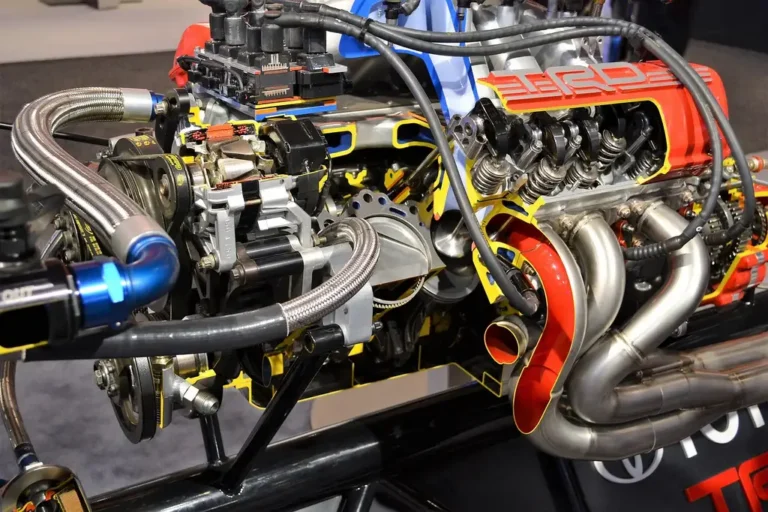
📊 A V8 could have eight spark plugs. Source: 7 Symptoms Of Bad Spark Plugs & Replacement Cost.
How does a car act when spark plugs are bad?
A car with bad spark plugs usually feels rough, hesitant, or slow to respond, and the problem may be light and intermittent or severe and constant. A single bad plug often causes a small stumble or shake, while multiple bad plugs can create a clear misfire, poor idle, hard starts, and strong loss of power.
What changes when only one plug is failing
When one plug is failing, the engine may still run, but it can shake at idle, stumble during light throttle, or hesitate for a moment when you pull away. The problem can be subtle enough that some drivers notice it only under load, such as climbing a hill or merging.
What changes when several plugs are worn or fouled
When several plugs are worn or fouled, the whole engine can feel off. Starts take longer, idle quality drops, acceleration feels flat, and the car may surge or sputter. A multi-cylinder misfire is more likely to trigger a flashing Check Engine Light and needs prompt diagnosis.
What are the most common symptoms of bad spark plugs?
Common symptoms can include rough idle, hesitation, sputtering, hard starting, poorer fuel economy, and a check engine light that may flash during a severe misfire. Those symptoms do not prove the plugs are the only fault, but they are the usual ways a bad plug shows up in the driver’s seat.
Rough idle and vibration at 600 to 1,000 RPM
Normal idle is between 600 and 1,000 RPMs. When plugs misfire, the engine can shake at stoplights, the steering wheel may tremble, and the exhaust note can sound uneven. Rough idle is common with bad plugs, but it can also come from ignition coils, vacuum leaks, dirty injectors, or air-metering faults.
Hesitation, sputtering, or weak acceleration
Bad spark plugs can make acceleration feel sluggish or rough. The car may bog when you press the pedal, sputter as load increases, or lose smooth power above a certain speed. That pattern matters more than the symptom label. Hesitation under load often points to ignition faults, but it can also come from injector or air-intake problems.
Hard starting, longer cranking, or no-start moments
Spark plugs help get the engine going when you crank the car. Bad plugs can cause longer cranking, a start that catches only after a few tries, or a brief no-start that may clear up once the engine finally fires. If only one plug is weak, hard starting may be partial rather than complete.
Poor fuel economy and exhaust fuel smell
Bad spark plugs can cut fuel economy because combustion is less efficient. Unburned fuel can create an exhaust smell like gas. That smell points toward incomplete combustion, but it also fits injector issues, a dirty mass air flow sensor, an air filter restriction, or a vacuum leak that upsets the mixture.
Say your 4-cylinder car idles smoothly for a minute, then starts shaking at a red light and hesitates pulling into traffic. That pattern can fit a worn plug on one cylinder, but it can also fit a coil that breaks down as it warms up, so the next step is to scan codes before parts are replaced, not guess.
Will bad spark plugs trigger a check engine light?
Yes. A flashing Check Engine Light may indicate a spark plug has failed, and a misfire can also set a warning light without a flash. The key point is that the light is not specific to spark plugs alone. You need diagnostic trouble codes to see which cylinder or system the car is reporting.
What a flashing MIL means during a misfire
A flashing MIL can indicate a severe misfire. That is the threshold to treat seriously, because an active misfire can send unburned fuel into the exhaust and harm the catalytic converter. A flashing light is not a “drive it later” warning.
Why diagnostic trouble codes matter
Diagnostic trouble codes should be read with a scanner before parts are replaced. A code may point to a misfiring cylinder, but it does not prove the plug is the cause. The same complaint can come from an ignition coil, injector, MAF signal problem, or air leak.
Why the code may point to a coil, injector, or sensor instead
Misfire codes often overlap with other faults. If a code follows one cylinder, the plug and coil on that cylinder are both suspects. If the code follows engine load or happens across several cylinders, fuel delivery, air metering, or vacuum issues move higher on the list.
Can bad spark plugs cause rough idle and hesitation?
Yes. Bad spark plugs can cause rough idle and hesitation, especially when the engine is cold, under light throttle, or under load. But those symptoms are shared with ignition coils, injectors, dirty throttle bodies, vacuum leaks, and air-metering faults, so the pattern has to be checked against codes and inspection.
When rough idle points more toward spark plugs
Rough idle leans toward spark plugs when it is paired with old plugs, visible fouling, misfire codes for one cylinder, or a stumble that improves as load changes. If the engine smooths out at higher RPM but shakes at idle, a weak plug can be part of the picture.
When hesitation points more toward another fault
Hesitation that is strongest during rapid throttle changes can point to air or fuel delivery issues. A dirty MAF, a clogged air filter, low fuel pressure, or a weak injector can mimic bad plugs closely. If the engine feels flat across the entire rev range, plug condition is only one possibility.
Suppose a truck used for short trips and towing starts to idle rough after many cold starts. Short-trip use can foul plugs faster than steady highway use, but the same truck can also set a coil code or show a vacuum leak after intake work. The pattern should decide the first check.
Can bad spark plugs cause hard starting?
Yes. Bad spark plugs can cause hard starting because the spark may be too weak, too inconsistent, or absent on one or more cylinders while cranking. The engine may crank normally but not catch right away, and the problem can be mild with one bad plug or much worse if several plugs are worn.
Why starting problems are not proof of bad plugs
Hard starting can also come from a weak battery, fuel pressure loss after sitting, a failing coil, injector leakage, or a sensor issue. If the engine starts after several cranks and then runs mostly well, plug trouble is possible, but it is not the only explanation.
What a plug-related start problem often feels like
With plug-related hard starts, the engine may fire unevenly, catch late, or run rough for a few seconds before clearing up. That is different from a no-crank condition. It is also different from a fuel-system problem that needs extra cranking after the car sits overnight.
How can I tell if it is spark plugs or ignition coils?
Spark plugs and ignition coils share many symptoms, so you usually separate them by codes, cylinder location, and quick swap testing. A plug fault often leaves the problem tied to a worn or fouled plug, while a coil fault often follows the coil itself when it is moved to another cylinder.
Shared misfire symptoms and where they overlap
Both faults can cause rough idle, sputtering, hesitation, poor fuel economy, and a flashing light during a severe misfire. Both can also make one cylinder or several cylinders misfire. That overlap is why symptom name alone is not enough.
Quick checks that separate a plug fault from a coil fault
- Read the diagnostic trouble codes first.
- Inspect the plug for wear, oil fouling, fuel fouling, cracks, or deposits.
- If the code follows one cylinder, swap the coil with another cylinder if the design allows it.
- Clear codes and see whether the misfire follows the coil or stays with the cylinder.
- Check the plug gap and service condition against the engine’s required spec.
If the fault moves with the coil, the coil is a stronger suspect. If it stays with the cylinder and the plug looks worn or fouled, the plug moves up the list.
When to inspect fuel, air, and vacuum causes instead
If multiple cylinders misfire, if the engine feels lean or flat across the rev range, or if the plugs look normal, check fuel, air, and vacuum next. A dirty MAF, a clogged air filter, a vacuum leak, or injector trouble can all imitate bad plugs closely enough to waste money if you skip diagnosis.
Symptom-to-cause triage: what to check first
This table helps you sort the complaint by how the car acts, then match it to the most likely plug condition and the first check. It is a triage tool, not a final diagnosis. Scan codes and inspection still matter before any part replacement.
| What the car does | Likely spark plug condition | Competing causes to consider | First check |
|---|---|---|---|
| Rough idle with a light shake | One worn or fouled plug, or several aging plugs | Ignition coil, vacuum leak, injector imbalance, dirty MAF | Scan codes, then visual plug inspection |
| Miss under load or uphill | Weak plug that breaks down under pressure | Ignition coil, fuel delivery issue, air restriction | Code scan, then coil swap if possible |
| Long crank or delayed start | One weak plug or several worn plugs | Battery, fuel pressure loss, coil, crank sensor | Scan codes and basic starting-system checks |
| Flashing Check Engine Light with sputter | Severe misfire, possibly plug-related | Coil failure, injector fault, wiring problem | Stop driving if the misfire is severe; scan codes |
| Fuel smell with poor MPG | Incomplete combustion from fouled plugs | Injector leak, MAF issue, air filter restriction | Visual plug check and fuel/air checks |
What to inspect first on a plug suspect
Start with the codes, then inspect the plugs for oil, carbon buildup, white overheating marks, cracked porcelain, or worn electrodes. A plug that is outside its service interval or clearly fouled is a stronger replacement candidate than a plug that only looks old.
Is it safe to drive with bad spark plugs?
It is not safe to keep driving if the Check Engine Light is flashing or the engine is misfiring badly. Short, careful driving may be possible with mild symptoms, but a severe misfire can damage the catalytic converter and may make the car stall, run hot, or lose power.
When you should stop driving
Stop driving if the light flashes, the engine shakes hard, the car barely accelerates, or the misfire gets worse under load. Those signs suggest active combustion problems that can turn into expensive exhaust damage fast.
When short, careful driving may be possible
If the car only has a light stumble and the light is steady, you may be able to drive a short distance to a repair shop. Keep throttle input gentle and avoid towing, highway merging, or steep grades. Do not treat that as a repair plan.
What a long misfire can cause
A long misfire can foul coils, overheat the catalytic converter, and wash extra fuel into the exhaust. It can also make the engine run so poorly that it is unsafe in traffic. If the problem keeps returning after code clearing, diagnosis should move ahead before more parts are stressed.
Frequently asked questions
Will bad spark plugs make my check engine light flash?
They can. A flashing Check Engine Light may indicate a spark plug has failed, but it can also point to a coil or injector problem. A flashing light usually means a severe misfire, so the next step is to read the diagnostic trouble codes and avoid driving if the engine is shaking hard.