Why Do My Brakes Have No Pressure?
A brake pedal with no pressure usually suggests a hydraulic fault, such as low brake fluid, a leak, air in the lines, or a failed master cylinder. A hard pedal points more toward brake booster assist, not hydraulic pressure. Treat a soft, sinking, or floor-reaching pedal as safety-critical, since stopping distance can increase quickly.
Brake pedal feel gives the first clue. A soft or spongy pedal often means compressible air is in the system. A sinking pedal can suggest an internal master cylinder bypass or an external leak. A pedal that reaches the floor with little resistance is an immediate warning that hydraulic force is not being held where it should.
Why your brake pedal feels like it has no pressure
Picture a sedan that stops normally one day, then the pedal drops lower after each stop the next morning. That pattern fits a hydraulic problem better than a pad wear issue. If the pedal is hard instead, but the car barely slows until you push much harder than usual, that points more toward booster assist loss than a true no-pressure condition.
Brake pressure diagnostic table
| Symptom pattern | Likely cause | Next check | Stop driving? |
|---|---|---|---|
| Pedal sinks slowly while holding steady pressure | Brake master cylinder leaking internally or bypassing fluid | Hold firm pressure with engine running, then inspect for external leaks and reservoir drop | Yes, if the pedal keeps sinking |
| Pedal goes to the floor | Major fluid loss, air in brake lines, or a severe master cylinder fault | Check reservoir level and inspect all visible lines, hoses, calipers, and the master cylinder | Yes, do not continue driving |
| Hard pedal with weak stopping | Brake booster vacuum problem or failed booster assist | Check engine vacuum supply, booster hose, and check valve | Yes, if braking effort is clearly reduced |
| Pressure disappears after bleeding | Air still trapped, wrong bleed order, low reservoir level, or a master cylinder that needs bench bleeding | Bleed again using the vehicle-specific service procedure | Yes, until the pedal is firm and stable |
| One corner loses pressure | Leaking caliper, collapsed hose, cracked line, or wheel-end air entry | Inspect the affected wheel, hose, and fittings for wetness or damage | Yes, if that wheel is not braking normally |
| ABS light is on | ABS fault, often electrical or hydraulic within the ABS unit rather than a true no-pressure pedal | Scan for ABS fault codes and check whether pedal feel is otherwise normal | Drive only if pedal feel and braking remain normal, then diagnose soon |
| Fluid level is dropping | External leak at a line, hose, caliper, wheel seal area, or master cylinder | Find the leak before topping up again | Yes, if the level keeps falling |
Could low fluid or a leak be the cause?
Yes. Low brake fluid or a leak is one of the first checks because the system cannot hold hydraulic pressure if fluid is leaving the circuit. If the reservoir is below the minimum mark or the level keeps dropping, stop looking for a minor symptom and start looking for the source.
Check the reservoir first
Open the reservoir and verify the level against the marks on the tank. If it is low, use only the exact brake-fluid specification listed on the reservoir cap or in the owner’s manual. Wrong or contaminated fluid can reduce braking performance and can damage seals.
Then inspect the master cylinder, the lines along the body, each flexible hose, and each wheel area for dampness, streaks, or dripping fluid. Brake fluid may appear clear to amber, and it often leaves a slick film on dusty parts. Upgraded Vehicle identifies leaking brake fluid as a common cause, and damaged brake lines or hoses as another.
Why the exact fluid spec matters
Brake systems do not tolerate guesswork. The cap or manual gives the exact specification to use. Mixing the wrong fluid can change seal behavior and boiling resistance, which can reduce pedal feel and braking consistency.
A common first-timer mistake is topping up the reservoir and assuming the job is done. If the fluid is dropping, topping up only hides the leak for a short time. The leak must be found, repaired, and rechecked before the vehicle returns to service.
Is air trapped in the brake lines?
Air in the brake lines can absolutely make the pedal feel like it has no pressure. Air is compressible, so instead of moving force directly to the calipers, the pedal movement is partly spent squeezing gas bubbles. That usually creates a soft or spongy feel, and it often appears after repairs or a fluid change.
Why bleeding may not fix it the first time
MotorAudit lists six common causes of no brake pressure after bleeding, including unfinished bleeding, a brake system leak, master cylinder issues, and ABS dysfunction. In practice, pressure can still be absent if the reservoir ran low during the job, if air remained trapped in a high point, or if the master cylinder was not bled correctly before installation.
Bleed order matters, but the correct sequence varies by vehicle and ABS design. Use the service manual for that exact model. Some vehicles also need a scan-tool-assisted bleed after brake work, especially when the ABS unit has trapped air.
- Confirm the reservoir is full to the correct mark.
- Check for leaks before trying another bleed.
- Bleed in the vehicle-specific order from the service manual.
- If the master cylinder was replaced, perform a bench bleed if required.
- If the vehicle has ABS service requirements, use a scan tool to cycle the pump or valves when specified.
- Recheck pedal feel only after the system is fully sealed and filled.
Brake master cylinder and booster checks
The master cylinder creates hydraulic pressure. If it leaks internally, fluid can bypass the seals and the pedal can sink without a visible external leak. If it leaks externally, fluid may collect around the master cylinder or booster area. Either fault can create a soft or no-pressure pedal.
What a bad master cylinder feels like
A sinking pedal that improves only temporarily after pumping often points toward master cylinder bypass. That is different from a booster problem. The booster changes pedal effort, while the master cylinder creates the hydraulic force that actually moves fluid to the wheels.
ShunAuto includes brake booster failure as a related pressure-related issue, and that is where many diagnoses go off track. A brake booster problem usually makes the pedal hard and unassisted. It does not usually make the pedal feel soft in the way a hydraulic leak or air intrusion does.
How to separate booster loss from hydraulic loss
With a booster issue, the pedal often feels stiff right away and the car may still stop, but with much more leg effort. With a hydraulic fault, the pedal is more likely to be soft, sinking, or floor-reaching. That difference matters because the fix path is different.
Do not assume the master cylinder is fine just because the reservoir looks full. Internal bypass can happen without a puddle on the ground. If the pedal sinks while steady pressure is held, stop driving and inspect the master cylinder and the rest of the hydraulic circuit.
Brake lines, hoses, and calipers
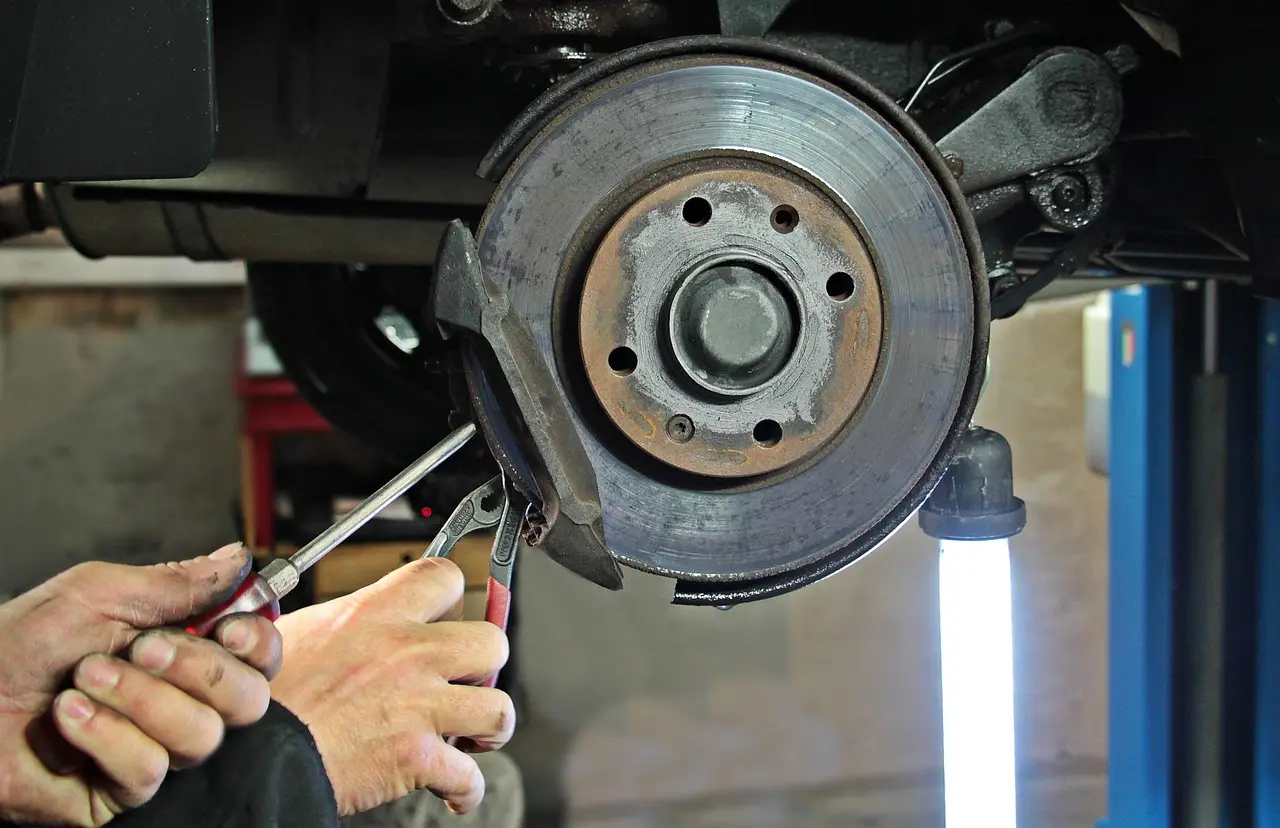
Brake lines and hoses carry fluid to each wheel. They can corrode, crack, swell, or leak. If a hose collapses internally, it can also interfere with fluid return and pressure transfer. Air can enter after line work if a fitting is left loose or a repair is not sealed correctly.
Why one corner matters
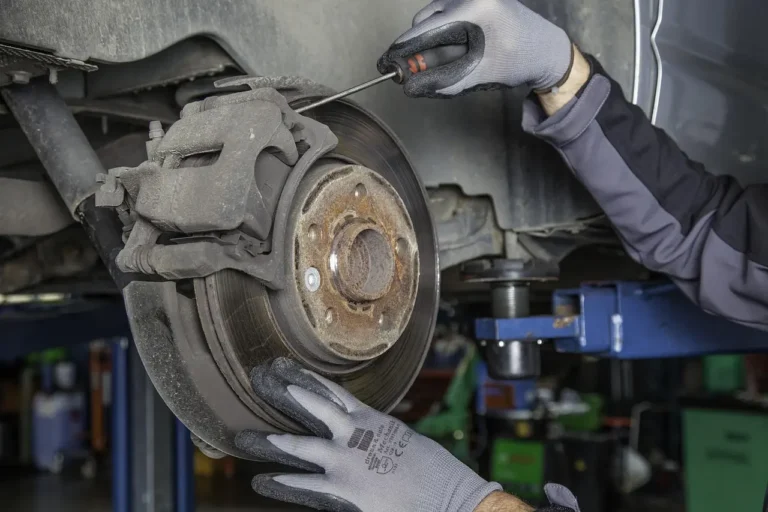
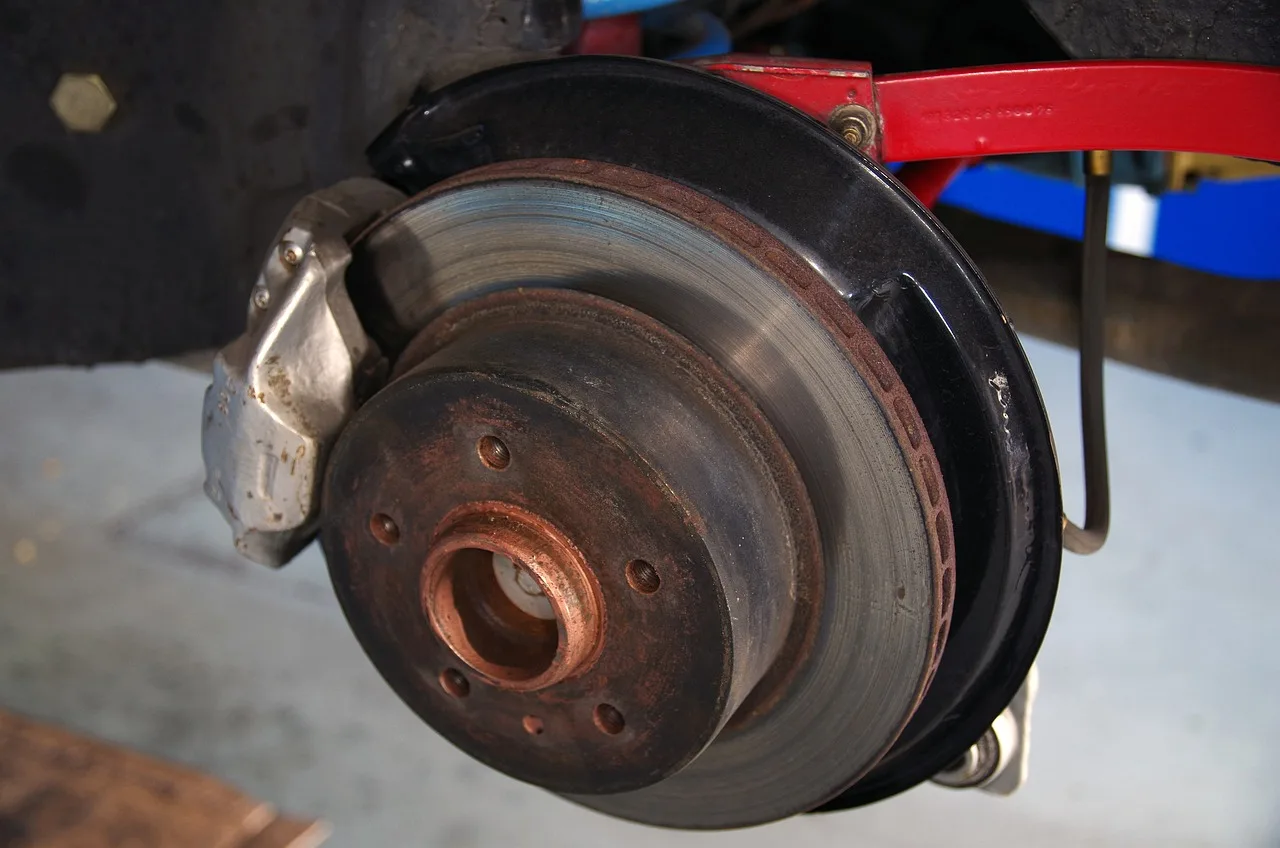
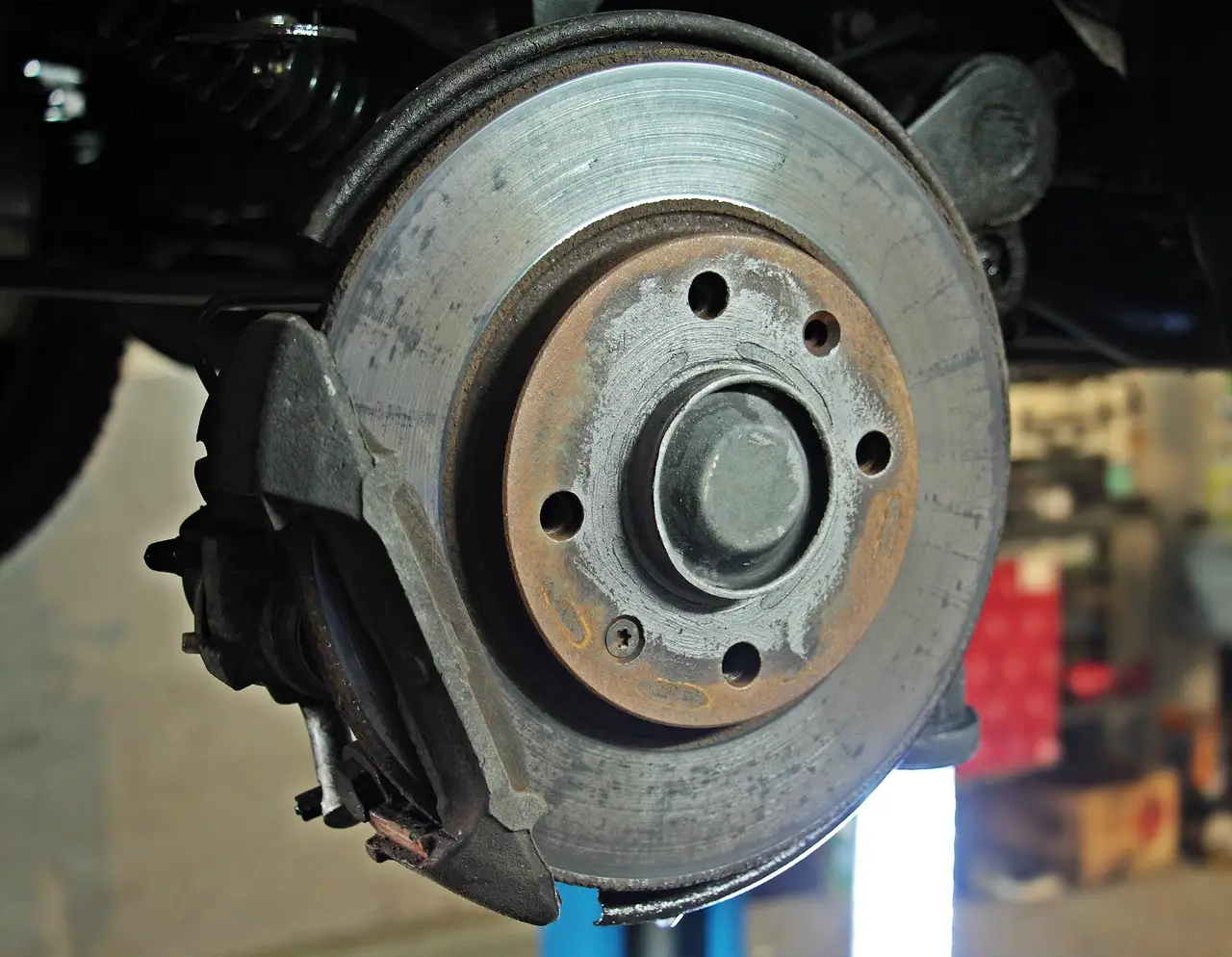
Brake calipers apply force to the pads against the rotors. A leaking caliper can create a corner-specific loss of braking force, and a sticking caliper can pull the car or create uneven braking. If only one wheel shows wetness or one corner feels weak, that wheel deserves priority inspection.
Fluid loss at one wheel is a strong clue. Follow the line from the reservoir to the affected corner and look for wet fittings, rusted tubing, torn hose outer layers, or fluid around the caliper piston seal or bleeder screw. A single damaged corner can still leave the pedal unsafe.
ABS and bleeding after repairs
ABS faults can affect brake behavior, but they are not the usual reason for a true no-pressure pedal. A wheel-speed sensor fault does not normally make hydraulic pressure disappear. If the ABS light is on, scan the system, but do not let that distract from the higher-probability checks for leaks, air, and master cylinder failure.
When ABS matters most
ABS can affect pressure control inside the hydraulic modulator, and some faults can create odd pedal behavior or pulsing. Upgraded Vehicle notes that brake pressure problems can trigger ABS warning lights, but the warning light is not proof that the ABS fault caused the no-pressure symptom. The two problems can also exist at the same time.
After parts replacement, some vehicles need a scan-tool-assisted bleed because air can remain trapped in the ABS unit. If a master cylinder was replaced, a bench bleed may be required before installation or right after, depending on the design. If pressure disappears after bleeding, revisit the process before assuming the repair is complete.
Frequently asked questions
Why does my brake pedal have no pressure?
A no-pressure brake pedal usually means the hydraulic system is failing to hold fluid force. The most likely causes are low fluid, a leak, air in the lines, or a master cylinder problem. If the pedal is hard instead of soft, the brake booster is more likely than a hydraulic fault.
Why do my brakes have no pressure after bleeding?
If pressure is gone after bleeding, air may still be trapped, the reservoir may have run low during the job, the bleed order may have been wrong for that vehicle, or the master cylinder may need bench bleeding. Some ABS-equipped vehicles also need a scan-tool-assisted bleed.
What does it mean if my brakes have no pressure?
It means the pedal is not transferring hydraulic force the way it should. That can happen when fluid is leaking out, air is compressing inside the system, or the master cylinder is bypassing internally. Do not keep driving until the cause is found.
Why are my brakes not holding pressure?
If the pedal firms up but will not stay firm, the master cylinder is a prime suspect. Internal bypass lets pressure bleed past the seals. A leak anywhere in the hydraulic circuit can create the same symptom if fluid is escaping faster than it can be maintained.
Why is there no pressure in my brake pedal?
No pedal pressure usually means the system cannot build or retain hydraulic force. Check the fluid level, inspect for leaks, and consider air in the brake lines or a failed master cylinder. A hard pedal would point more toward booster assist loss than hydraulic loss.
Why does it feel like my brakes have no pressure?
A soft or spongy feel usually comes from air in the lines, low fluid, or a leak. A sinking feel leans toward master cylinder failure. A hard pedal with weak stopping points away from hydraulic pressure and toward brake booster assist trouble.