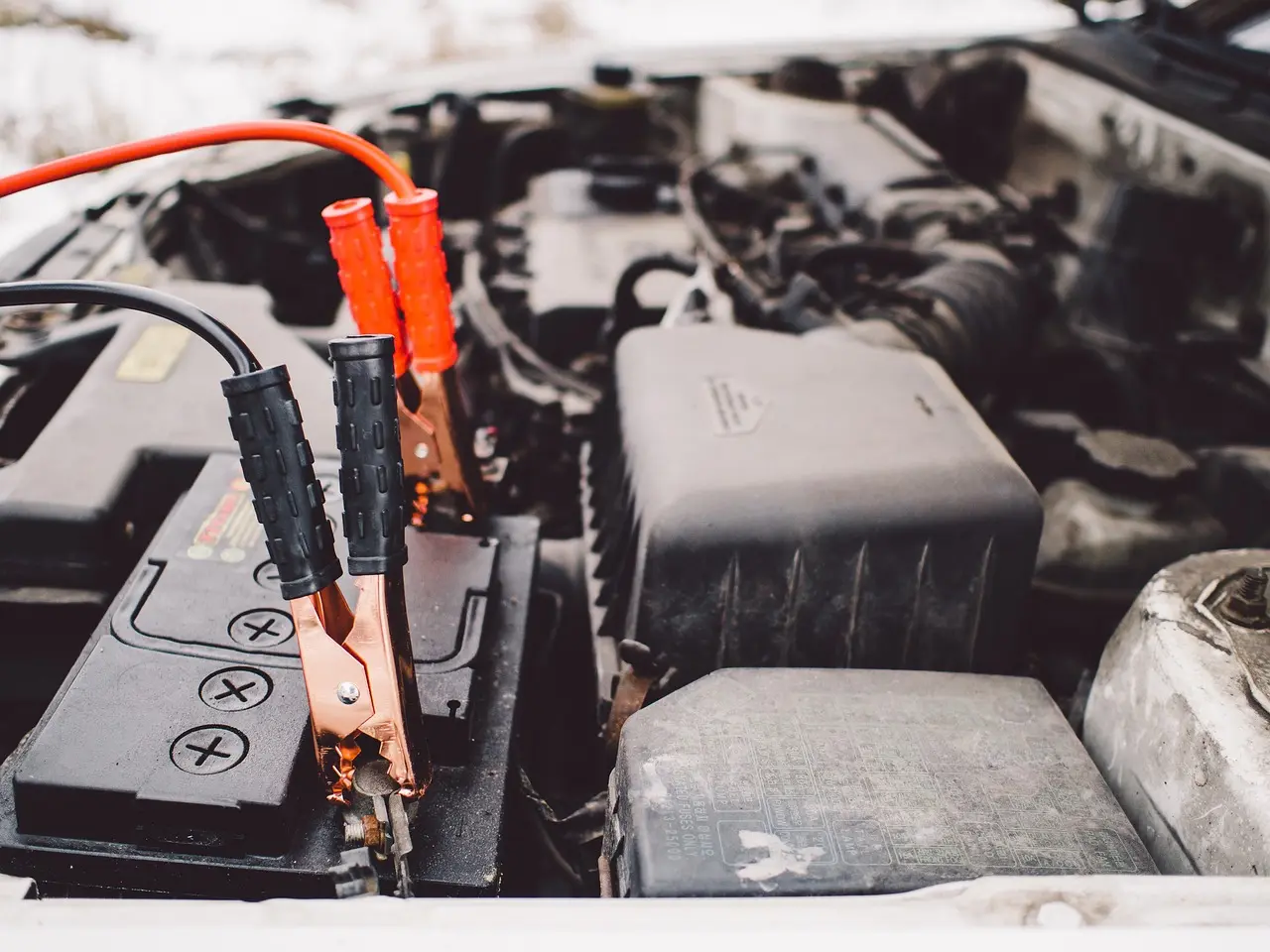
How to Tell the Difference Between Car Battery Types
Identify a car battery by matching four things: chemistry, case size or group number, terminal layout, and polarity. If the group size and terminal position do not match, do not install it. Wrong matches can cause no-starts, damaged cables, or a battery that will not clamp in place. This guide shows how to read labels, identify missing or misleading labels, and verify fitment and terminal orientation before you buy.
How to identify a car battery at a glance
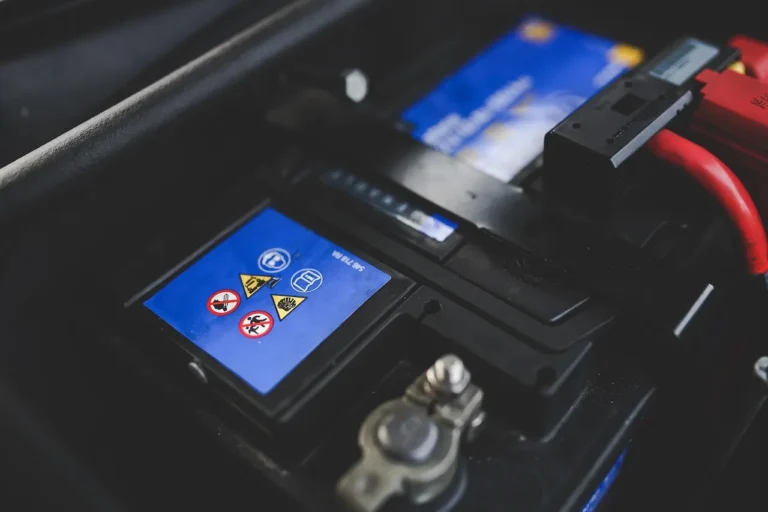
The label gives the quickest ID. Look for chemistry words such as AGM, EFB, or lithium, then confirm voltage, CCA, and reserve capacity if shown. After that, check the case style, group size, and terminal markings before you buy a replacement.
Read the label first
The battery label usually tells you the chemistry type, voltage, and cold cranking amps. AGM batteries are often marked “AGM” or “Absorbent Glass Mat.” Standard flooded lead-acid batteries may not say much beyond the brand and rating, so the case design matters too.
Reserve capacity may also appear on the label. That figure helps compare batteries, but it does not replace the group size or terminal check. A battery with the right electrical rating can still be the wrong physical part.
Separate chemistry from voltage and capacity markings
Do not confuse chemistry with performance numbers. Voltage tells you the nominal electrical system level. CCA tells you starting ability in cold weather. Reserve capacity shows how long the battery can supply current under a standard load. None of those alone identifies fit.
Note any AGM, EFB, or lithium wording
AGM means Absorbent Glass Mat. EFB is commonly used to mean Enhanced Flooded Battery. Lithium-ion automotive batteries are a different category and need a different charging profile, often controlled by a battery management system. If the label names one of those types, match it unless the vehicle maker says otherwise.
What do the main car battery types mean?
The main car battery types differ in construction, charging behavior, and how they handle vibration and repeated cycling. Flooded lead-acid is the most traditional type. AGM is sealed. EFB sits between standard flooded and AGM in capability. Lithium-ion automotive batteries are lighter, but they are not a simple drop-in choice.
Flooded lead-acid batteries
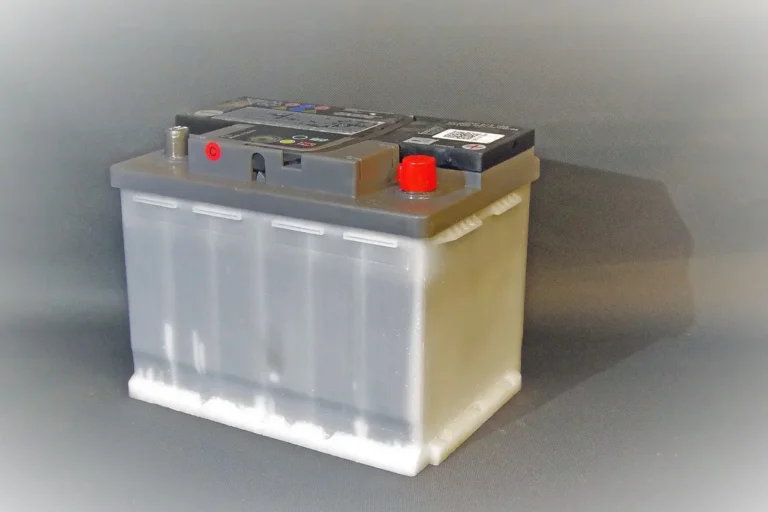
Flooded lead-acid batteries are a common wet-cell type. They have visible fill caps on top, and some designs allow water top-ups. They are usually the lower-cost option and are common in older or basic vehicles. A standard battery has removable round vent caps, while AGM is sealed with a flat top.
AGM batteries
AGM batteries use Absorbent Glass Mat construction. They are typically sealed and maintenance-free, and they are often used on vehicles with stop-start technology. They also offer better vibration resistance and higher power output than a typical flooded battery. The label often says AGM or VRLA.
EFB batteries
EFB batteries are a common modern car battery type. They are an enhanced flooded design and are used in some stop-start vehicles. They are not the same as AGM, and they are not the same as a standard flooded battery. If the vehicle calls for EFB, do not assume a regular flooded battery is acceptable.
Lithium-ion automotive batteries
Lithium-ion automotive batteries may appear in some modern vehicles, and they may require BMS-controlled charging with a different charging profile. They are lighter than AGM units and require BMS-controlled charging with a different charging profile. Treat them as a separate category, not as a battery you can replace by label shape alone.
| Type | Common label clues | Top design clue | Typical fitment note |
|---|---|---|---|
| Flooded lead-acid | No AGM or EFB wording; may show standard lead-acid | Visible fill caps on top | Common in older or basic vehicles |
| AGM | “AGM” or “Absorbent Glass Mat” | Sealed, flat top | Often used on stop-start vehicles |
| EFB | “EFB” | Usually a flooded-style case | Used in some stop-start vehicles |
| Lithium-ion automotive | “Lithium-ion” or similar wording | Varies by vehicle design | Needs battery-management-compatible charging |
How can you tell the difference between positive and negative on a car battery?
Find the plus and minus symbols on the case or next to the posts. The positive terminal is marked with a plus sign and the negative with a minus sign. Then compare terminal position from the correct viewing angle before disconnecting or installing anything. Polarity is not the same thing as chemistry. (caranddriver.com)
Find the plus and minus symbols
A standard car battery’s positive terminal is marked with a plus sign and the negative with a minus sign. Many cases also use red for positive and black for negative, but the molded symbols are the most reliable check. Never guess from cable color alone.
Check terminal position from the correct viewing angle
Terminal layout matters because some batteries place the positive post on the left and others on the right. That layout affects cable reach and whether the leads cross safely. Match the replacement to the old battery from the same side you use to read the terminal marks.
Use the case markings before you disconnect anything
Do not loosen a cable until you know which terminal is which. A reversed connection can damage electronics and create sparks. If the battery sits in the trunk or under a cover, clear access first and read the molded signs before moving a wrench.
How do battery size and case shape help you identify the right one?
Battery group size tells you the standardized case size and terminal layout, so it is one of the main fit checks. Group size does not tell you chemistry by itself. A battery that fits the tray can still be wrong if the terminals, hold-down, or height differ.
What battery group size means
Battery group size is standardized by the Battery Council International, or BCI. Common battery group sizes include 24, 35, 48, and 65. Those numbers help match the battery’s length, width, height, and terminal placement to the vehicle’s tray and cables.
How terminal placement affects fit
Two batteries can share a similar footprint and still fail to fit because the terminals sit in different places. Cable length, clamp orientation, and hood clearance all depend on that layout. If the posts sit opposite from the original battery, the leads may not reach cleanly.
Why case height and hold-down style matter
Some vehicles use a top clamp. Others use a base hold-down. Height matters because the battery may contact the hood or miss the retainer. Car batteries are not universal and come in different sizes and shapes, so the tray and clamp matter as much as the label.
What should you do if the battery label is missing?
If the label is gone or unreadable, use the top design, group size, terminal markings, and the owner’s manual in that order. That fallback path works better than guessing from color or age. It also helps separate flooded, AGM, EFB, and lithium batteries when the printed label is faded.
Check for fill caps or a sealed top
Standard flooded lead-acid batteries have visible fill caps for adding water. AGM batteries are sealed, and a standard battery has removable round vent caps while AGM is sealed with a flat top. That top-view check is one of the quickest ways to separate wet-cell from sealed designs.
Say your battery has six round caps across the top and the case still reads Group 65 on the side. That strongly points to a flooded lead-acid battery rather than AGM. If the top is flat and sealed, the battery is more likely AGM or another sealed design, not a wet-cell unit.
Use the group size and terminal layout
Once you have the group size, compare the terminal side and hold-down style with the old battery. That combination is what makes the battery fit. Group size alone does not confirm chemistry, and chemistry alone does not confirm that the cables will reach.
Confirm the battery type in the owner’s manual
The owner’s manual usually lists the recommended battery type, the suggested CCA range, and the compatible group size. Use that information if the label is missing or if the previous battery may have been changed incorrectly. If the manual calls for AGM or EFB, use that guidance rather than installing a standard flooded battery.
When is a car battery not the same as a leisure battery?
A car battery and a leisure battery are built for different jobs. A car battery is a starting battery that provides a short, high-current burst to crank the engine. A leisure battery is usually designed for deeper discharge and slower replenishment, so it is often a poor substitute in a car.
Starting batteries versus deep-cycle use
Car batteries are meant to start an engine and then recharge quickly. Leisure batteries are intended to power lights, fridges, and other accessories for longer periods. That duty cycle changes plate design, charging behavior, and how much repeated deep discharge the battery can tolerate.
Why leisure batteries are usually a poor substitute
If you fit a leisure battery where a car battery belongs, starting performance may suffer. Cold cranking ability can be lower, and the vehicle charging system may not suit the battery’s design. For replacements, the safest path is like-for-like unless the manufacturer says otherwise.
Suppose a driver swaps in a leisure battery because the case looks similar and the posts are in the right place. The engine may crank slowly on a cold morning, and the battery may not recharge correctly during short trips. That is a fitment mistake, not a minor mismatch.
Why charging and discharge behavior differ
Charging strategy matters. AGM and EFB batteries are often used in stop-start vehicles because they handle repeated cycling better than a standard flooded battery. Lithium-ion automotive batteries need a different charging profile again. A charger or vehicle system meant for one type may not suit another.
What should you check on the battery before you buy a replacement?
Check the label first, then the top design, then the group size, and finally the terminal markings. That order prevents the most common mistakes. If any one of those checks fails, stop and confirm the owner’s manual before buying the replacement.
- Step 1: Read the label. Look for AGM, EFB, lithium, voltage, CCA, and reserve capacity if listed.
- Step 2: Inspect the top. Fill caps point to flooded lead-acid; a sealed flat top points to AGM.
- Step 3: Match the group size. Compare the battery number with the old unit and the manual.
- Step 4: Confirm terminal markings. Positive is +, negative is -.
- Step 5: Verify the hold-down and cable reach. Check that the battery clamps and leads line up without strain.
Use stop-start fitment logic correctly
Stop-start systems often require AGM or EFB, not a standard flooded battery. That is where many replacements go wrong. If the vehicle has stop-start and the manual specifies AGM or EFB, replace it with the same chemistry unless the maker explicitly allows another type.
Keep safety in the sequence
Avoid sparks near the battery, and disconnect the negative terminal first when removing a battery. Respect venting and charging limits, especially with flooded units and lithium-ion automotive batteries. If you are unsure about a sealed battery or a trunk-mounted unit, check the vehicle instructions before proceeding.
How to tell the difference between car battery types?
Start with the label, then check the top design and group size. AGM batteries usually say AGM or Absorbent Glass Mat. Flooded lead-acid batteries have fill caps. EFB is a separate stop-start type. Lithium-ion automotive batteries need different charging behavior and should not be treated as standard lead-acid units.
How to tell the different types of car batteries?
Use a simple order: label, top, group size, and manual. The label gives the quickest answer. The top design separates flooded from sealed units. Group size confirms fit. The owner’s manual confirms whether the vehicle wants standard flooded, AGM, EFB, or a lithium-based system.
How to tell the difference between a leisure battery and car battery?
A car battery is a starter battery. A leisure battery is usually a deep-cycle battery for slower, longer discharge. They may look similar, but their internal design and charging needs differ. For vehicle starting, choose the battery type listed in the owner’s manual, not the one with the same shape.
What is the difference between car batteries?
The main differences are chemistry, fitment, and electrical behavior. Flooded lead-acid is the traditional wet-cell type. AGM is sealed and better for vibration and stop-start use. EFB is an improved flooded design for some stop-start vehicles. Lithium-ion automotive batteries use a different charging profile.
Frequently asked questions
What type of battery is a car battery wet or dry?
A car battery can be wet or dry depending on the type. Flooded lead-acid batteries are wet-cell units and have fill caps for water top-ups. AGM batteries are sealed and maintenance-free, so they are commonly described as dry or sealed rather than wet-cell batteries.
What makes a car battery better than another?
Better depends on the vehicle and use case. For stop-start systems, AGM or EFB may be the correct choice. For older vehicles, a standard flooded battery may be enough. Match the battery to the manual’s minimum CCA, group size, and recommended chemistry rather than chasing the highest label number.
How do you know if a battery is AGM or regular?
Check the label first for AGM or Absorbent Glass Mat. Then look at the top: AGM is sealed and usually flat, while regular flooded batteries have visible fill caps. If the label is missing, the top design and the manual together are the safest way to identify it.
Can you replace an AGM battery with a standard battery?
Not automatically. Some vehicles with stop-start systems require AGM, and using a standard flooded battery can shorten life or cause charging issues. Check the owner’s manual before swapping chemistry. If the manual specifies AGM, replace it with AGM unless the manufacturer allows another type.
Where is the battery if it is not under the hood?
Some car batteries are located in the trunk, not under the hood. Others may sit under a rear seat or in a side compartment. Location does not change the identification process: check the label, top design, group size, and terminal markings before you buy a replacement.
How do you avoid a wrong battery installation?
Match the chemistry, group size, and terminal layout before installation. Read the manual for the recommended battery type and minimum CCA. Confirm positive and negative markings, and avoid sparks near the battery. If the label is missing, use the top design and the group number to narrow the choice, then verify with the manual.