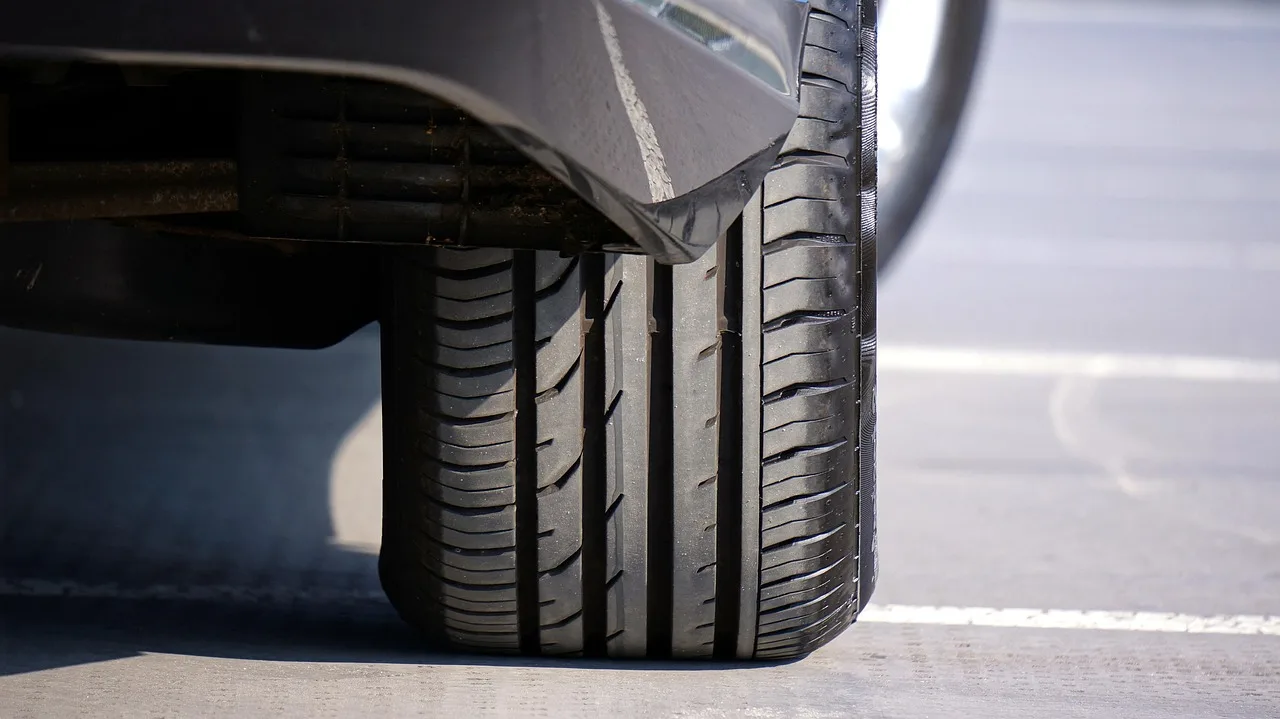
How to Read Tire Size on Your Sidewall
Read the tire size from the sidewall in this order: width/aspect ratio/construction/rim diameter, such as 225/65R17; then verify that the load index and speed rating match the vehicle placard or owner’s manual. A wrong size can change clearance, ride, braking, ABS behavior, or load capacity. This guide shows how to decode every marking and check whether a tire is actually correct for your vehicle.
What the sidewall code tells you
The sidewall gives you two kinds of information. Some markings identify the tire’s physical size and construction. Others tell you how much load it can carry, how fast it is rated, and whether it is built for a passenger car, light truck, or special trailer use.
Do not treat every marking the same way. Rim diameter must match the wheel. Load capacity and load range must meet or exceed the vehicle requirement. Prefix letters and some extra markings help with fitment, but they do not all need to match the original tire exactly.
What you’ll need
- A flashlight or a bright phone light
- A rag, soft brush, or paper towel for dirt and road film
- The tire placard from the driver door jamb
- The owner’s manual for vehicle-specific tire and pressure guidance
- A load index chart for checking carrying capacity
How do you find the tire size on the sidewall?
Look near the brand name on the outer sidewall, then inspect the full string of numbers and letters. If the print is dirty or partly hidden, clean the rubber and rotate the wheel until the full code is visible. Use the door jamb placard to confirm that the sidewall size matches the vehicle’s recommended tire size.
Say your tire looks like it only shows a fragment such as “…45R18.” Clean the sidewall first. Road film, curb scuffs, and brake dust often hide the leading width number and the prefix letter.
Step-by-step location check
- Park on level ground and turn the steering wheel for better sidewall access.
- Wipe the sidewall with a damp rag or soft brush.
- Search for the longest code string near the tire brand name.
- Read the full size before checking any extra markings.
- Compare it with the tire placard in the door jamb.
How do you decode the size numbers?
In metric format, the first number is section width in millimeters, the second number is aspect ratio, the letter is the construction code, and the last number is rim diameter in inches. Passenger vehicle tires are usually shown in metric form. Larger truck tires can be shown in metric or standard size.
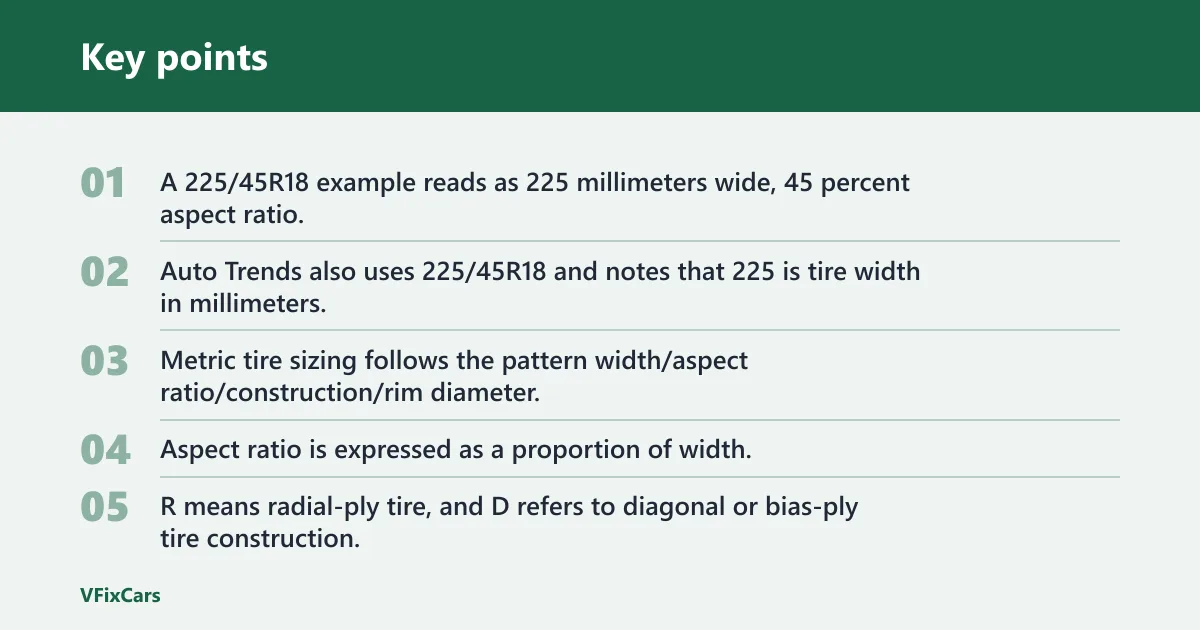
A 225/45R18 example reads as 225 millimeters wide, 45 percent aspect ratio, radial construction, and an 18-inch rim diameter. Auto Trends also uses 225/45R18 and notes that 225 is tire width in millimeters, 45 is the aspect ratio, and 18 is the rim diameter.
Metric size format
Metric tire sizing follows the pattern width/aspect ratio/construction/rim diameter. Section width is measured in millimeters. Aspect ratio is expressed as a proportion of width. R means radial-ply tire, and D refers to diagonal or bias-ply tire construction. The rim diameter is shown in inches.
Inch size format
Inch-format tires usually look like 33 x 12.5 R15. The first number is the overall tire height in inches, the second is the nominal width in inches, and the last number is the wheel diameter. This format appears often on off-road and light-truck tires, where the tire may be shown in either metric or standard size.
Metric and inch sizes do not convert one-for-one by appearance. A tire can have a similar outside diameter while still having a different section width, load capacity, or wheel fitment requirement. That is why the whole code matters, not just the first number.
How to calculate sidewall height
Use this simple formula for metric sizes: section width × aspect ratio = sidewall height in millimeters. For a 225/45R18 tire, the sidewall height estimate is 225 × 0.45, which equals 101.25 mm. If you want inches, divide by 25.4.
That estimate helps you compare replacement tires. A taller sidewall usually changes ride feel, speedometer accuracy, and available wheel-well clearance. Do not change diameter casually if the vehicle has tight suspension or brake clearance.
How do you check load and speed ratings?
Read the load index number and speed rating letter as separate items. The load index is a numeric weight-carrying code that requires a load index chart for exact pounds. The speed rating is a letter such as Q, V, W, or Y that marks maximum speed capability. A tire can fit the wheel and still be wrong if these ratings fall short.
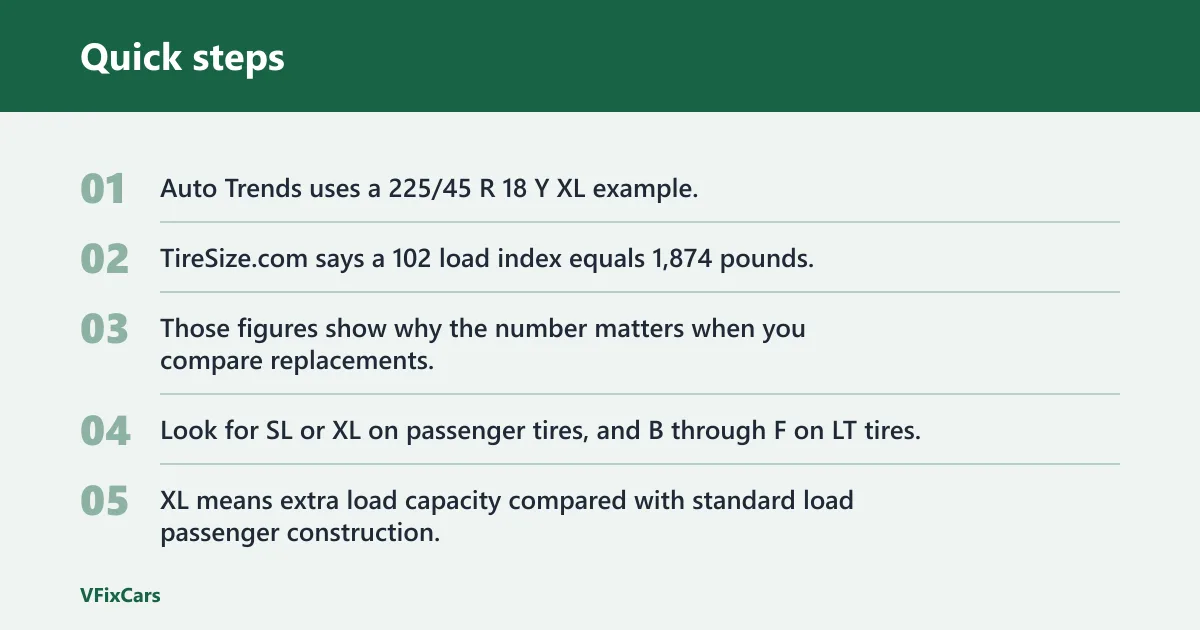
Auto Trends uses a 225/45 R 18 Y XL example, where Y covers speeds up to 186 mph and 95 is a load index representing 1,521 pounds. TireSize.com says a 102 load index equals 1,874 pounds. Those figures show why the number matters when you compare replacements.
Load range and load rating
Look for SL or XL on passenger tires, and B through F on LT tires. XL means extra load capacity compared with standard load passenger construction. On LT tires, the load range rating helps you compare casing strength and carrying ability. A replacement tire must meet or exceed the vehicle’s required load capacity.
Suppose an SUV came with 102 load index tires and you choose a lower-rated replacement because the size looks right. The tire may mount correctly, but the load capacity can be too low for passengers, cargo, or towing use.
What does P, LT, or ST mean on a tire sidewall?
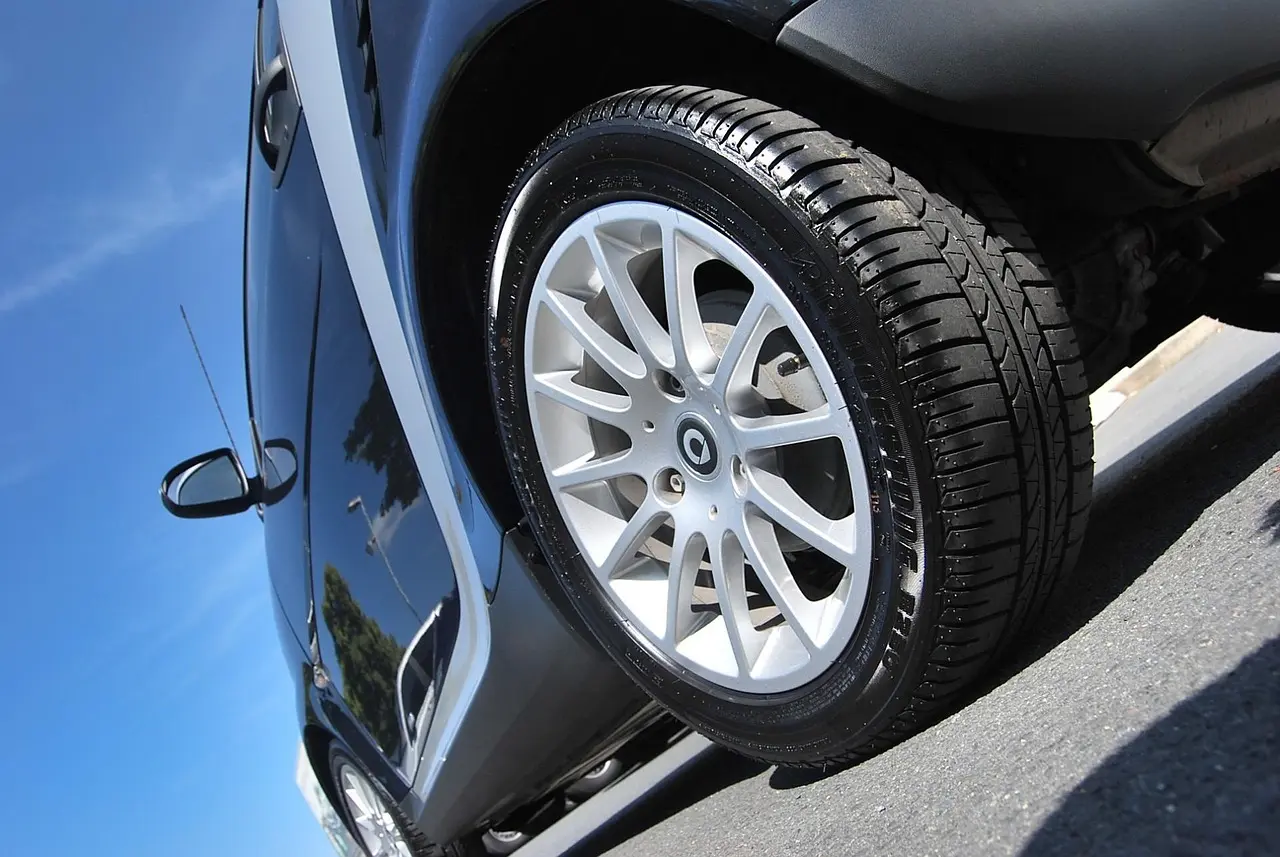
P, LT, and ST show the tire category. P usually marks a passenger tire. LT means light truck. ST means special trailer. The prefix matters because it affects load rating expectations, sidewall strength, and the use case the tire was built for. It does not replace the rest of the size code. (Wikipedia)
For fitment, the prefix should align with the vehicle’s intended tire category. An LT tire may fit a wheel that also accepts a passenger tire, but its load range and inflation needs can differ. Check the placard and owner’s manual before changing categories.
How do you read a tire sidewall information label?
The most useful label is the vehicle tire placard in the door jamb. Popular Mechanics says the door jamb shows the manufacturer-recommended tire size. The placard also gives the recommended inflation pressure. Start there, then confirm details in the owner’s manual if the vehicle has alternate factory sizes.
The owner’s manual is the second source for vehicle-specific tire information. It can list approved sizes, pressure ranges, load limits, and cases where a different wheel or tire package was used from the factory.
What must match, and what is only reference data?
Rim diameter must match the wheel. Load index and load range must meet or exceed the vehicle requirement. Speed rating should meet the placard or manual guidance. Section width and aspect ratio may vary only within a range that preserves clearance, diameter, and load capacity.
Prefix letters, small load-code differences, and some tread-model markings are not always exact-match items. They matter, but they are not all equally critical. The sidewall code tells you what the tire is, while the placard tells you whether it belongs on the vehicle.
Sidewall decoding checklist
| Code element | Where it appears | What it means | Whether it must match OEM | Pass/fail note for replacement tires |
|---|---|---|---|---|
| Size string | Main sidewall text near the brand name | Full size code such as 225/45R18 or 33 x 12.5 R15 | Must match the approved fitment or approved alternate size | Pass only if the vehicle placard or manual allows it |
| Section width | First number in metric size | Tire width in millimeters | Usually should stay close to OEM | Fail if it creates rubbing or falls outside approved range |
| Aspect ratio | Second number in metric size | Sidewall height as a proportion of width | Should preserve overall diameter and clearance | Fail if it changes diameter too much |
| Construction code | Letter after the aspect ratio | R for radial, D for diagonal or bias-ply | Should match the wheel and vehicle application | Fail if the tire construction is wrong for the vehicle use |
| Rim diameter | Last number in the size string | Wheel diameter in inches | Must match the wheel | Fail if the wheel size does not match exactly |
| Load index | Near the size code or after the service description | Weight-carrying code | Must meet or exceed placard requirement | Fail if lower than OEM requirement |
| Speed rating | Letter after the load index | Maximum speed capability | Must meet or exceed placard requirement | Fail if lower than vehicle recommendation |
| Load range / rating | Near the service description | SL, XL, or B through F on LT tires | Must fit the vehicle’s load needs | Fail if load carrying ability is lower than required |
| P, LT, ST prefix | Before the size code | Tire category | Should match the intended use | Fail if the category conflicts with vehicle use |
Common mistakes
Do not confuse overall tire diameter with rim diameter. The rim diameter is the wheel size in inches. The overall tire height is different. Mixing those up is a common reason people order the wrong tire.
Do not ignore load capacity. A tire can fit the wheel and still be unsuitable if the load index or load range is too low. Do not assume every size change is acceptable either. A larger tire can affect gearing or speedometer accuracy, and a wider tire can reduce clearance.
Do not skip the placard. It is the fastest way to confirm the tire size and recommended inflation pressure.
What if the replacement size is different?
Compare the full code, not just the width. A small change in aspect ratio can keep the tire close in diameter, while a change in rim diameter can force a different wheel. The safest replacements keep the wheel diameter unchanged and preserve load capacity at or above the original requirement.
A common first-timer mistake is choosing a tire because the numbers look close. Suppose the original tire is 225/45R18 and the replacement is 225/50R18. The width and wheel size match, but the taller sidewall changes the overall diameter and may affect clearance.
- Read the full sidewall code.
- Check the placard size in the door jamb.
- Confirm the owner’s manual if multiple sizes are listed.
- Match the rim diameter to the wheel exactly.
- Verify the load index and speed rating.
- Confirm the load range or load rating for the vehicle’s use case.
- Measure the change in overall diameter before buying.
Keep a photo of the door jamb placard on your phone before you shop for tires. That makes comparison much faster when the sidewall is dirty or the vehicle has multiple approved sizes.
Frequently asked questions
How do I read the numbers on my tire sidewall?
Start with the size string nearest the brand name, then read it left to right: width, aspect ratio, construction, and rim diameter. After that, check the load index and speed rating. For replacement tires, confirm the size against the door jamb placard before buying.
How do I calculate sidewall height of a tire?
Multiply the section width by the aspect ratio written as a decimal. For 225/45R18, use 225 × 0.45 to get 101.25 mm. Divide by 25.4 if you want inches. Compare the result to the original tire if you are checking a replacement fit.
What does the aspect ratio on a tire mean?
It is the sidewall height as a proportion of the tire width. A lower number means a shorter sidewall relative to width, which usually changes ride feel and sidewall flex. Use it with the width and wheel diameter, not on its own.
What do the load index and speed rating mean on a tire?
The load index is the tire’s carrying-capacity code, and the speed rating is its maximum speed category. Both must meet the vehicle’s requirement from the placard or manual. Use a load index chart for the exact pounds, since the number alone is not the weight.
Where can I find the recommended tire size for my car?
Check the driver-side door jamb placard first. Popular Mechanics identifies that label as the place for the manufacturer-recommended tire size. If the vehicle lists more than one approved size, confirm the options in the owner’s manual before ordering a replacement.