Air Filters for Cars: Engine vs Cabin
Engine air filters protect the intake tract before air reaches the engine and can affect power, fuel use, and intake noise. Cabin air filters clean the air coming through your vents and can affect airflow, odors, and defogging, so match the symptom first, then replace the dirty filter. If you diagnose the wrong one, you can keep chasing rough running with an HVAC part, or live with weak heat, bad smells, and poor window clearing while changing an engine part. This guide matches common symptoms to the right filter and shows which replacement type fits normal commuting, dusty roads, allergies, or heavy traffic.
| Decision factor | engine | cabin air filter | Winner |
|---|---|---|---|
| Symptoms it most often explains | Weak acceleration feel, restricted intake airflow, poorer fuel economy, louder intake sound | Musty smell, weak vent airflow, fogged windows, dust from vents, poor odor control | tie |
| System affected | Engine intake path before air reaches the engine | HVAC airflow into the passenger compartment | tie |
| Best match for performance complaints | Can restore lost airflow when the old filter is restricted; ACDelco says engine air filters can help with fuel efficiency and reduce vehicle operating costs | Does not control engine power, throttle response, or fuel economy | engine |
| Best match for air-quality and comfort complaints | Does not fix odors, pollen exposure, or weak vents | Targets dust, pollen, fumes, and odors in the cabin; activated carbon adds gas and odor control | cabin air filter |
| Typical location to inspect | Inside the engine airbox | Often behind the glove box, under the dashboard, or at the cowl | tie |
| Main buying risk | Wrong size, poor gasket seating, airbox lid not closed, bypass leakage | Wrong thickness or orientation, warped frame, collapsed media, access damage to trim or clips | tie |
How symptoms point to the right filter
Symptoms decide the winner first
The most useful split is where the complaint appears. If the issue shows up in acceleration, intake sound, or fuel use, inspect the engine side. If it shows up in vent airflow, smell, dust, or defogging, start with the cabin air filter.
They work in different systems
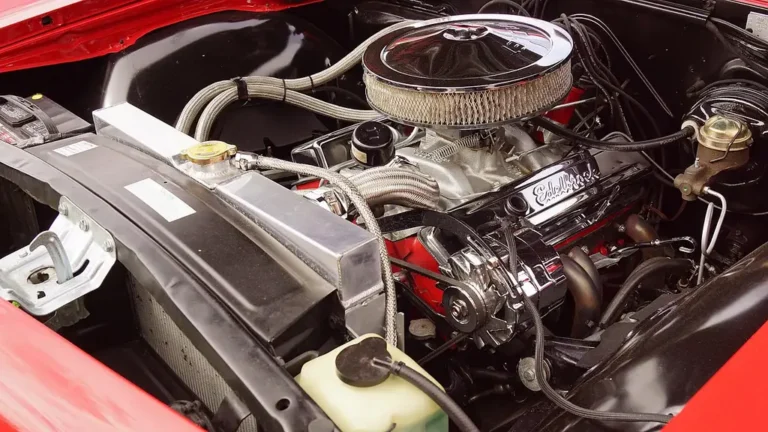
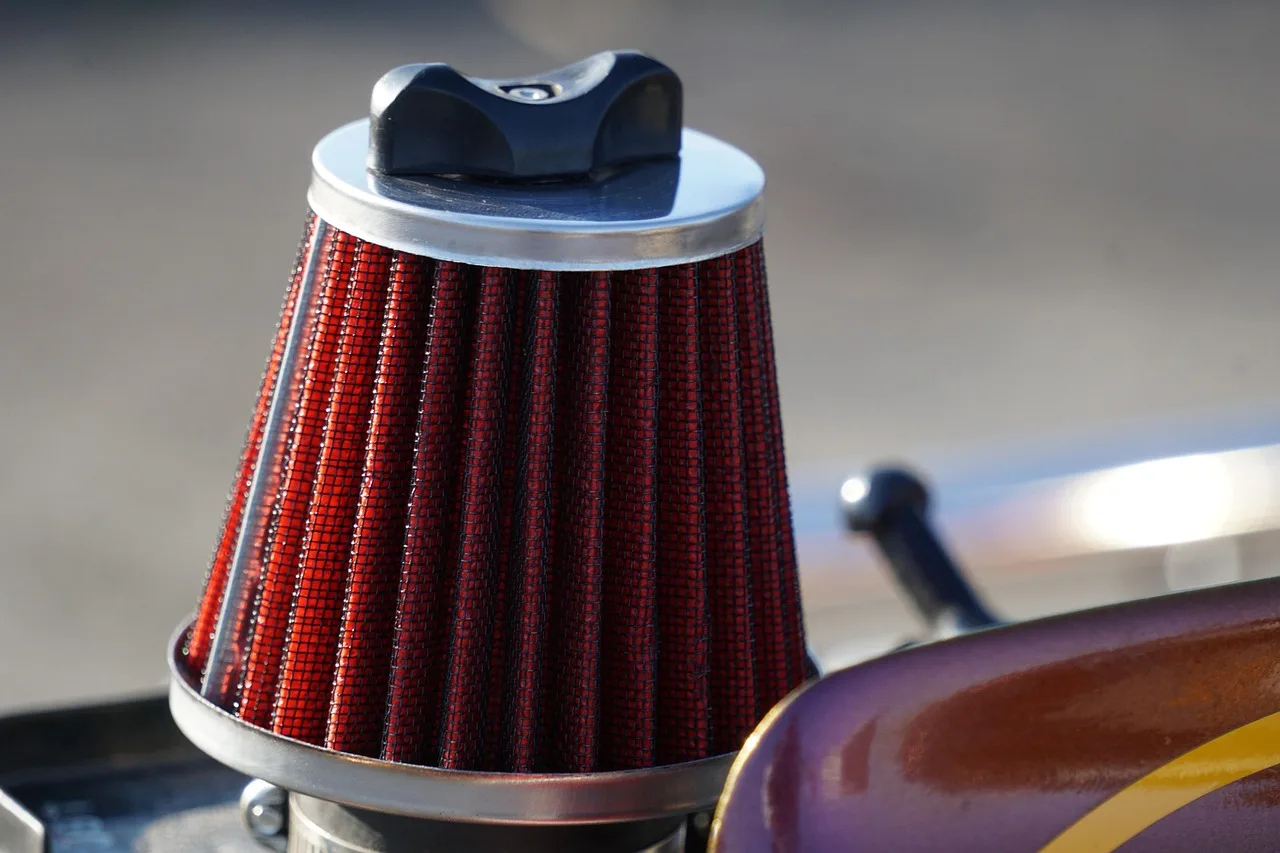
The engine filter sits inside the engine airbox, usually attached to the intake duct, and filters incoming air before that air reaches the engine. ACDelco says engine air filters trap airborne particles before they enter the engine. The cabin air filter works in the HVAC system, which moves outside or recirculated air through the dash vents into the passenger compartment.
Why drivers diagnose the wrong filter
Weak air from the vents can feel like “the car is breathing badly,” so people often blame the engine side. The opposite happens too: a driver sees lower fuel economy after months of city driving, swaps the cabin air filter because it is easy to access, and leaves the intake restriction untouched.
What is the difference between an engine air filter and a cabin air filter?
An engine filter cleans the air moving through the intake tract before it reaches the engine, while a cabin air filter cleans the air entering the passenger compartment through the HVAC system. Restriction shows up in different ways: the engine side can change airflow available to the engine, while the cabin air filter changes vent performance, smell control, and window clearing.
What each one does
The engine filter uses pleated nonwoven or multi-layer particulate media to catch dust and debris before they move through the intake tract. FILTRON says its air filter helps maintain engine power, torque, and low fuel consumption, and it claims filtration efficiency of 99.9% for small particles.
The cabin air filter uses similar particulate media basics, but its job is comfort and air quality, not combustion. Cabin filters can reduce dust, allergens or fumes in the vehicle, and contaminants can enter through air conditioning, heating and ventilation systems.
Where each filter sits
The engine filter sits inside the engine airbox, usually next to the intake duct where outside air enters the intake system. The cabin air filter commonly sits behind the glove box, under the dashboard near the HVAC case, or at the cowl below the windshield under an exterior trim panel.
How restriction feels in real use
Suppose the engine feels flat above moderate throttle, but the blower still pushes strong air through the vents and the cabin smells normal. That pattern points to the engine side, not the HVAC side. A cabin air filter cannot create engine hesitation.
Picture a rainy morning commute where the engine runs normally, but the windshield takes longer to clear and fan speed feels weak on every setting. That points to the cabin air filter or another HVAC fault, not the engine intake.
Which air filter do I need?
Use the symptom, not the name on the box. Start by asking where the problem shows up, engine operation or cabin ventilation. Then inspect the likely filter, its housing, and its seal before buying parts, because a poor fit, collapsed media, or bypass leak can mimic a “bad filter” complaint.
Symptom decision matrix
| Symptom | Likely filter | Likely cause | Inspection step | Recommended action |
|---|---|---|---|---|
| Weak acceleration | engine | Restricted intake airflow, damaged media, or airbox sealing issue | Open the airbox, inspect pleats for heavy dirt, collapse, or distortion, and check gasket seating | Replace with a correct-fit engine filter and confirm the airbox lid closes fully |
| Poor MPG | engine | Restricted airflow can contribute, though driving pattern and maintenance may matter more | Inspect the engine filter first, then check whether warning lights or overdue maintenance suggest another cause | Replace the engine filter only if it is restricted or damaged; do not expect a cabin air filter to change MPG |
| Musty cabin smell | cabin air filter | Loaded cabin media or odor saturation; possible evaporator moisture issue | Inspect the cabin filter for dirt, dampness, or odor, and note whether smell rises when HVAC starts | Replace with a cabin air filter; choose activated carbon if odor or traffic fumes are frequent |
| Weak vent airflow | cabin air filter | HVAC restriction from loaded media, though blower or duct faults are also possible | Remove the cabin filter and compare airflow briefly with the slot open if the manual permits safe access | Replace the cabin air filter if airflow improves; if not, diagnose blower, actuator, or evaporator issues |
| Fogged windows | cabin air filter | Restricted HVAC flow reduces defog performance | Inspect the cabin filter and check whether vent output is weak across modes | Replace the cabin air filter first; continue HVAC diagnosis if fogging remains |
| Dust inside cabin | cabin air filter | Poor particulate capture, poor fit, or bypass leakage around the frame | Check the filter frame, air-flow direction arrow, and sealing surfaces in the housing | Install a better-fitting cabin air filter and make sure the cover latches evenly |
| Engine warning behavior | engine | Possible airflow-related issue, but a filter is only one of several causes | Inspect the engine filter and intake tract, then scan for faults rather than guessing | Replace the engine filter if dirty or damaged, but do not treat it as the default fix for warning lights |
When the filter is probably not the problem
If vent airflow stays weak after a new cabin air filter, look at the blower motor, mode doors, evaporator blockage, or ducts. If acceleration stays weak after an engine filter change, the cause may sit well outside the intake box. Modern cars also use sensor-based maintenance reminders, but reminders do not replace visual inspection and the owner’s manual.
Does my car have both an engine air filter and a cabin air filter?
Most modern cars are commonly equipped with both an engine air filter and a cabin air filter, but exceptions still exist. Some older or low-spec models may not have a cabin air filter, and some vehicles may hide it behind trim or use unusual packaging. The quickest way to confirm is the owner’s manual, which also lists location and service intervals.
What is typical?
Most passenger vehicles use one engine filter in the airbox and one cabin air filter in the HVAC intake path. Some vehicles use unusual shapes, split elements, or hard-to-see access doors that make the second filter easy to miss.
What the manual settles
The owner’s manual is the primary source for vehicle-specific intervals, filter location, and access notes. It also helps when parts catalogs disagree on whether a given trim level has a cabin air filter at all.
Which symptoms point to the engine air filter?
Start with the engine filter when the complaint is weak acceleration, a restricted intake feel, or a realistic drop in fuel economy. The engine filter affects air entering the intake tract, so it belongs in the diagnosis only when the symptoms show up in engine operation, not vent output or cabin smell.
Weak acceleration and restricted intake airflow
A loaded engine filter can reduce available airflow and make the car feel less eager under load. That does not mean every sluggish car needs a filter. It means the filter deserves inspection before broader intake or fuel-system diagnosis.
Poor MPG and warning behavior
Can a dirty engine air filter affect fuel economy? Yes, it can contribute when restriction is significant. The same source says engine air filters can help with fuel efficiency and reduce vehicle operating costs, but the honest reading is recovery of lost airflow, not a guaranteed gain beyond normal.
Warning lights or fault messages are less direct. Some modern vehicles monitor related systems closely enough that an airflow problem may trigger a warning, but a filter is only one possibility. Scan the car and inspect the intake path instead of treating the filter as an automatic cure.
Airbox, media, and seal failures to inspect
Many guides stop at “dirty or clean.” That misses common failure modes: collapsed pleats, warped end caps, torn media, and bypass leakage from a mis-seated gasket. A filter that looks new can still be wrong if the frame is off-size or the airbox lid is not fully clipped.
A common first-timer mistake is replacing the element but pinching the gasket at one corner of the airbox lid. The engine then pulls some unfiltered air around the filter, which defeats the point of the service and can leave dust marks inside the box.
Which symptoms point to the cabin air filter?
Start with the cabin air filter when the problem is smell, weak vent airflow, fogged windows, or dust entering the passenger area. The cabin air filter works with the HVAC system, so its symptoms show up in the air from the vents, not in engine power or fuel economy.
Musty smell, odors, and carbon-media benefits
Basic particulate cabin filters target dust, pollen, soot, and road debris. Activated carbon cabin filters add odor and gaseous-pollutant control, making them the better choice for traffic fumes, tunnel driving, parking garages, and recurring exterior odors. MANN-FILTER offers three cabin air filter levels: CU, CUK, and FP.
Cabin filters can reduce dust, allergens or fumes in the vehicle, and ACDelco says cabin filters can filter out up to 95% of unwanted pollutants. That does not mean every driver needs the most expensive media. It means the filter grade should match the complaint.
Weak vent airflow and HVAC restriction
Weak air from the vents is one of the clearest cabin-filter clues. Signs of a dirty cabin filter include poor airflow and fogging windows. Those are HVAC restriction symptoms, not engine intake symptoms.
Say your blower sounds normal on high, but the air reaching the center vents is still soft and the windshield stays hazy longer than before. Removing a packed cabin air filter often reveals leaves, soot, and compressed dust that were choking HVAC flow. If airflow does not improve after replacement, keep diagnosing.
Fogged windows, dust inside, and location by vehicle design
If windows fog more easily, the HVAC system may not be moving enough air through the defrost path. Dust settling quickly inside the cabin can also point to poor cabin-filter fitment or a bypass leak around the frame. Incorrect orientation is common, especially where the slot is vertical and the air-flow arrow is easy to misread.
Where is the cabin air filter located in a car? It is commonly behind the glove box, under the dashboard near the HVAC housing, or near the cowl at the base of the windshield, depending on design. Tight packaging and brittle clips can make a simple filter look harder than it is.
How often should you replace each filter?
There is no single interval that fits every car or every route. A common baseline is to inspect engine filters around 12,000 to 15,000 miles and replace cabin filters yearly or around the same mileage range, then shorten that schedule for dust, soot, smoke, pollen, or heavy stop-and-go exposure.
Normal interval ranges
For the engine side, many owners start inspection around 12,000 to 15,000 miles, then confirm condition visually and against the manual. For the cabin side, MANN-FILTER says cabin filters should be replaced at least once a year or every 15,000 km.
Environment-based timing that makes more sense
Normal commuting on cleaner roads is the easiest case. Dusty roads, construction zones, and unpaved routes load the engine filter faster and can also overload the cabin filter with coarse debris.
Urban soot and heavy traffic push the cabin side higher on the list, especially if odor control matters. Wildfire smoke or allergy-heavy use also supports more frequent cabin filter changes and a move from basic particulate media to activated carbon or other premium cabin media if the vehicle supports it.
Manuals and reminders
Some cars now fold filter service into maintenance monitors or service reminders. Useful, yes. Final authority still belongs to the owner’s manual, plus an actual look inside the housing, because variable intake packaging and local conditions can age filters very differently.
Which replacement level makes sense for your use case?
Choose filter grade by environment and complaint, not by marketing alone. OEM-equivalent particulate media is enough for many cars. Activated carbon and higher-tier cabin filters justify the added cost when odors, fumes, smoke, or allergy concerns are frequent, while correct fit and seal quality matter on both sides every time.
OEM-equivalent particulate filters: when they are enough
For routine commuting on paved roads with no strong odor issue, a well-fitting particulate engine filter and a well-fitting particulate cabin air filter are usually the right level. Pleated nonwoven or multi-layer media is standard across both categories for a reason: it handles everyday dust and debris without adding buying complexity.
Activated carbon and premium cabin options: when extra spend pays off
Activated carbon is worth considering when exterior smells are part of the complaint. It targets fumes and gaseous pollutants better than a basic particulate cabin filter. That matters for urban traffic, diesel exposure, tunnels, and frequent idling near other vehicles.
Premium cabin filters above basic carbon can also make sense for allergy-heavy households or smoke-season driving, but only if the housing seals well and the fit is correct. A premium filter that bypasses at the frame can perform worse than a standard one that seals correctly.
Fit, seal, and housing checks before you buy
Fitment risk is where cheap mistakes happen. Confirm make, model, year, engine, and trim. Then compare thickness, frame shape, orientation marks, and gasket style. Filter housing and seals matter because they prevent unfiltered air bypass; installation location varies by vehicle, and so does tolerance for a slightly wrong part.
DIY replacement versus paying for service
Can you replace both yourself? Often, yes. Engine filters are frequently straightforward: open the airbox, swap the element, and reseal the lid. Cabin filters range from easy glove-box access to awkward trim work under the dash, where brittle tabs and limited room make patience more useful than force.
- Confirm the correct part in the owner’s manual or a reliable fitment catalog.
- Inspect the old filter before discarding it, looking for collapse, dampness, tears, or bypass marks.
- Clean loose debris from the housing without pushing dirt deeper into ducts or intake tubing.
- Match the new filter’s orientation arrow or seating edge to the housing.
- Close the cover or airbox evenly and check every latch or screw before starting the car or HVAC.
Choose engine if… / Choose cabin air filter if…
Choose engine if…
- Acceleration feels weaker, especially under load, and vent airflow still feels normal.
- Fuel economy has slipped and the intake side is due for inspection.
- The complaint is tied to engine operation or intake noise, not odor or defogging.
- The airbox inspection shows heavy loading, torn media, or poor gasket seating.
Choose cabin air filter if…
- The vents smell musty, dusty, or smoky.
- Vent airflow is weak even though the blower sounds normal.
- Windows fog more easily or clear more slowly than before.
- Dust, pollen, or traffic fumes are the reason for the replacement.
Choose both if…
- Both filters are overdue by time or mileage and the car sees mixed harsh conditions.
- The engine side shows restriction and the cabin side shows weak airflow or odor at the same time.
- You bought a used vehicle with no clear service history.
Frequently asked questions
Which air filter affects engine performance?
The engine filter affects engine performance because it controls the air entering the intake path before that air reaches the engine. If restriction is heavy enough, it can contribute to weaker acceleration feel and lower fuel economy. A cabin air filter does not control throttle response or power.
Which air filter affects cabin air quality?
The cabin air filter affects cabin air quality because it cleans the air moving through the HVAC system into the passenger compartment. It can help reduce dust, pollen, soot, fumes, and odors. Activated carbon versions are the better fit when smell and traffic fumes are part of the complaint.
How often should I replace my engine air filter?
A common starting point is to inspect the engine filter around 12,000 to 15,000 miles, then adjust based on the owner’s manual and local conditions. Dusty roads, construction zones, and off-pavement driving can shorten the interval. Replace sooner if the media is restricted, damaged, or bypassing at the seal.
How often should I replace my cabin air filter?
Many cabin filters are replaced yearly or around 12,000 to 15,000 miles, but the owner’s manual remains the vehicle-specific reference. Heavy traffic, urban soot, wildfire smoke, and high-pollen regions often justify shorter intervals. Replace sooner if vent airflow drops, odors rise, or windows fog more often.
What are the symptoms of a dirty cabin air filter?
Common signs include weak vent airflow, musty or dusty smells, slower defogging, and windows that fog more easily. Dust entering the cabin can also point to a loaded or poorly sealed cabin filter. If a new filter does not help, the HVAC system may have a blower, duct, or evaporator issue.
Can I replace the engine air filter and cabin air filter myself?
Often yes, especially when the engine airbox or glove-box access panel is easy to reach. The job gets harder when the cabin air filter is buried under trim or when clips are brittle. The main DIY risks are wrong fitment, backward installation, and poor sealing after the cover is reinstalled.