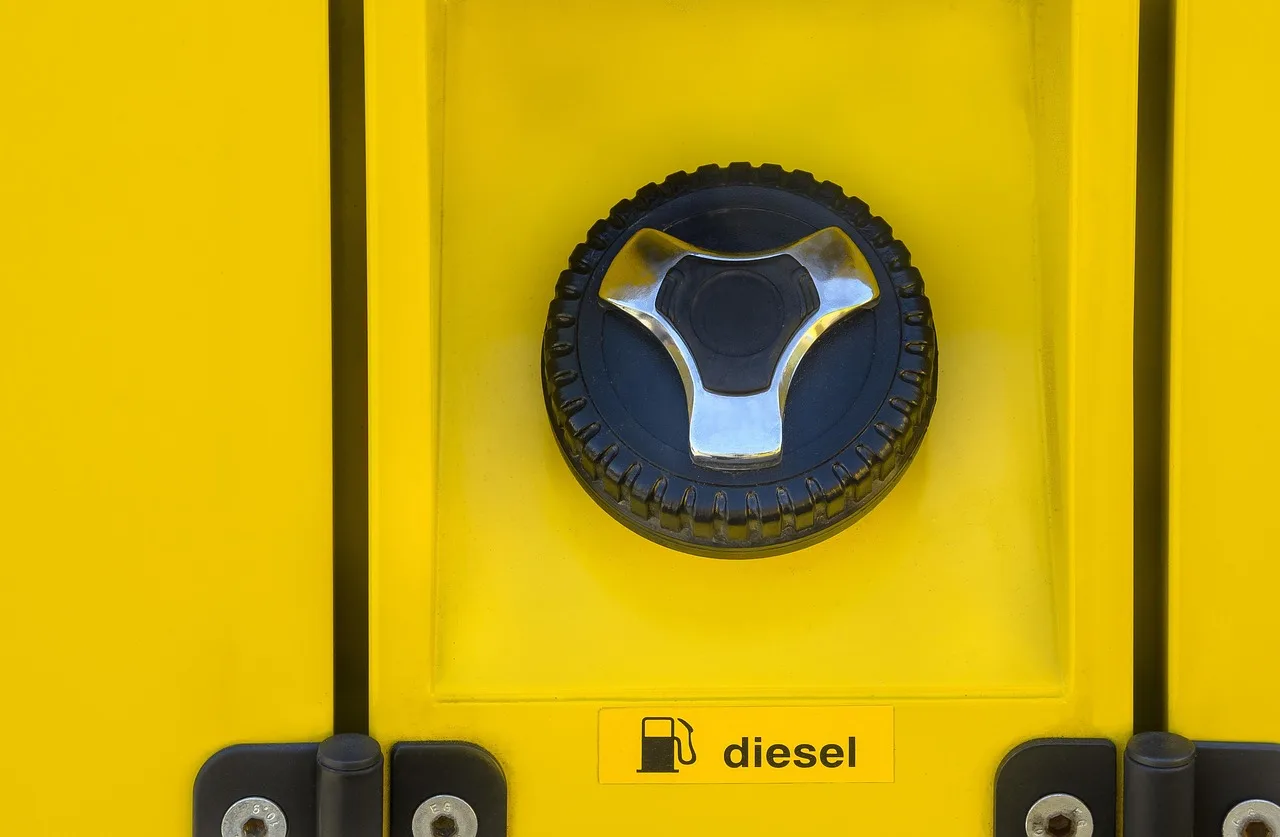
Can a Loose Gas Cap Turn on the Check Engine Light?
Yes, a loose gas cap can turn on the check engine light. Start by tightening it until it clicks, then drive about 10 to 50 miles so the EVAP monitor can check for leaks again. If the light stays on, you may waste time, fail an emissions test, or miss a larger EVAP leak. This guide shows how to tell a cap fix from a bad seal, damaged cap, or hose leak.
EVAP codes and gas cap faults
The EVAP system traps fuel vapors in a sealed path, then the engine control module checks for pressure loss. If that pressure drops during a self-test, it stores a fault and turns on the check engine light. A loose gas cap is one of the most common causes of that warning.
Common gas cap-related codes include P0440, P0442, P0455, and P0457. P0457 points most directly to the fuel cap area, which makes it the best fit for a missing, loose, or poorly seated cap. P0440 and P0442 are less specific and can mean the leak is bigger or somewhere else in the EVAP system.
P0441 and P0455. Those can appear in EVAP discussions, but they do not automatically mean the cap is the only fault. Treat them as a reason to inspect the cap first, then keep looking if the code returns.
What the ECM is watching
The ECM monitors fuel vapor containment and pressure changes in the EVAP system. If the fuel tank does not hold pressure during a self-test, the module logs a code. That is why a simple seal problem at the filler neck can light the dash even when the car still drives normally.
A steady check engine light tied to EVAP is usually different from a flashing light. A steady light usually means an emissions fault that should be checked soon. A flashing light usually points to a different urgency and should not be treated the same way.
How tight should a gas cap be?
A gas cap should tighten until it ratchets several times and stops firmly. 3 to 4 clicks, and another says many caps should click 3 to 4 times when properly seated. The goal is a solid seal, not force.
A cap that clicks is not automatically good. If the rubber gasket is cracked, flattened, brittle, or has a compression set, the cap can still leak even though it feels tight. A warped cap or one that does not match the filler neck correctly can also fail after it clicks.
Do not over-tighten until it feels abusive. If the cap never clicks, spins freely, or will not ratchet, the problem may be with the cap threads, the neck threads, or the internal one-way mechanism. That is a replacement or diagnosis clue, not a tightening clue.
What the clicks mean
The clicks tell you the cap is reaching its designed stop point. They do not prove the seal is perfect under heat, cold, or fuel splash after refueling. A cap can pass the “tight enough” test and still fail the EVAP pressure test later.
Picture a sedan that gets gas, the driver tightens the cap until it clicks four times, and the light stays on the next morning after the fuel tank cools. That points away from simple looseness and toward a bad seal, a damaged filler neck, or another EVAP leak.
Gas cap triage table
| Symptom | Likely cause | Likely code | Immediate action | When to escalate |
|---|---|---|---|---|
| Light came on right after fueling | Cap left loose, cross-threaded, or not fully seated after refueling | P0457 or sometimes P0440 | Remove the cap, inspect the seal, reinstall it until it clicks, then drive normally and watch for the next EVAP test | If the light stays on after a few drive cycles, inspect the filler neck and EVAP hoses |
| Cap clicks but the gasket is cracked | Rubber sealing gasket or O-ring has cracks, flat spots, or brittleness | P0457, P0442, or P0440 | Replace the cap with one that matches the year, make, and model | If a new cap still sets the same code, the leak may be at the filler neck or elsewhere in the EVAP system |
| Code returns after 3 drive cycles | Cap is not sealing, or the fault is broader than the cap | P0442 or P0440, sometimes P0455 | Recheck the cap, then scan for the stored code and inspect the seal surfaces | If the same code returns after several drive cycles, move beyond the cap and diagnose the EVAP system |
| Cap is missing or will not ratchet | Cap missing, damaged threads, or failed ratchet mechanism | P0457 or P0455 | Install a correct replacement cap right away | If the replacement does not hold, inspect the filler neck threads and EVAP plumbing |
How to inspect the cap and filler neck
Start with the rubber gasket or O-ring. Look for cracks, flat spots, hardening, or a flattened edge that no longer springs back. Those are common reasons a cap leaks even when it still twists on normally.
- Remove the cap and look at the gasket all the way around.
- Check the cap body for cracks, warping, or stripped threads.
- Inspect the filler neck for dirt, rust, dents, or damaged threads.
- Wipe the sealing surface clean if you see dust, fuel residue, or grit.
- Refit the cap and tighten it until it clicks several times.
- Confirm the cap is the correct part for the year, make, and model.
A common first-timer mistake is replacing the cap because it “looks fine,” while the filler neck is dirty or the seal is hard and flat. The cap may still turn smoothly, but the EVAP pressure test can still fail once the system cools or the tank sees a different pressure change after fueling.
Replacement matters more than price alone. A replacement OEM or quality aftermarket gas cap often costs about $10 to $30, and another guide estimates about $15 to $30. Fit and seal quality matter more than the lowest price on the shelf.
Will the light go off on its own?
After you tighten or replace the cap, the light may stay on until the ECM completes a drive cycle and reruns the EVAP test. The light usually clears in 1 to 3 drive cycles. Another says most vehicles clear the code after 3 to 5 successful drive cycles.
Some EVAP monitors only run when the fuel tank is between 15% and 85% full. That means the repair can be correct and the light still remains on for a while, simply because the car has not yet met the test conditions.
A basic OBD2 scanner can reset the light in under 5 minutes, but clearing it early is not the same as fixing the leak. Use the scanner after you have checked the cap, the seal, and the filler neck. Then confirm whether the same code returns after normal driving.
When to use a scanner
A scanner helps you read the stored code, confirm whether it is P0457, P0442, P0440, or something else, and clear the warning after the repair. A basic scanner around $20 to $25 can be enough for this job if it reads and clears OBD-II codes.
Suppose the light comes on the day after fuel-up, you tighten the cap, and a scanner still shows P0457. If the code comes back after the next few drive cycles, the cap may not be the only problem. That is the point to inspect the neck and the rest of the EVAP system.
Should you replace the gas cap or keep diagnosing?
Replace the cap if the seal is cracked, the cap is missing, it will not ratchet, or the threads are damaged. A new cap is also the right next step if the old one clicks but the gasket is hard, warped, or visibly worn. Match the replacement to the year, make, and model, and check that it seals correctly.
If the cap looks fine but the code returns after a few drive cycles, treat the problem as broader than the cap. That can point to a filler-neck seal issue, a cracked hose, or another EVAP leak. Do not keep swapping caps if the same fault comes back.
If the check engine light is steady and the car still drives normally, you usually have time to sort it out without panic. If the light is flashing, that is a different warning and should not be assumed to be a gas-cap issue.
Can a loose gas cap turn on the check engine light? Yes, but that answer only holds if the seal problem is actually at the cap or filler neck. If the code survives a proper cap check and several drive cycles, the ECU is telling you to look deeper.
Frequently asked questions
Can a loose gas cap turn on the check engine light?
Yes. The EVAP system checks whether fuel vapors stay contained, and a loose cap can drop pressure enough for the ECM to log a fault.
How long does it take for the check engine light to go off after tightening the gas cap?
It often takes one to several drive cycles, not minutes. 1 to 3 drive cycles, and another says 3 to 5 successful drive cycles. If the tank is outside the EVAP test range, the light can stay on until the system runs again.
What code does a loose gas cap cause?
P0457 is the clearest loose-or-missing-cap code. If the cap is tight but the gasket is damaged, the code may still point to the cap area rather than a larger component.
Will a loose gas cap affect how my car drives?
Usually not much. A gas-cap-related check engine light is typically a warning-light issue, not a major drivability problem. The main risk is emissions-related trouble, a failed inspection, or missing a bigger EVAP leak that still needs diagnosis even though the car seems normal.
Should I replace a gas cap if it looks fine but the light stays on?
Yes, if the gasket is cracked, hardened, flattened, or the cap does not match the filler neck properly. A cap can look acceptable and still fail the seal test. If a correct replacement does not fix the code after a few drive cycles, the problem is probably beyond the cap.
Do I need a scanner to clear a gas cap check engine light?
No, not always. The light can clear on its own after the ECM completes a few drive cycles. A scanner helps if you want to confirm the code, clear it after repair, and check whether the same fault returns. That is especially useful when the code does not go away quickly.