What’s Brighter: LED or Halogen Headlights?
LED is usually brighter on the road when it is a proper headlight housing or a correct OEM-style replacement. A poorly matched LED retrofit can send less useful light onto the road than halogen and create more glare. Bad fitment cuts visibility, wastes money, and blinds other drivers. This guide compares usable light, glare, beam pattern, and replacement fitment so you can choose the right bulb for your car.
How bulb and housing combine to shape the beam
What changes between the two bulb types
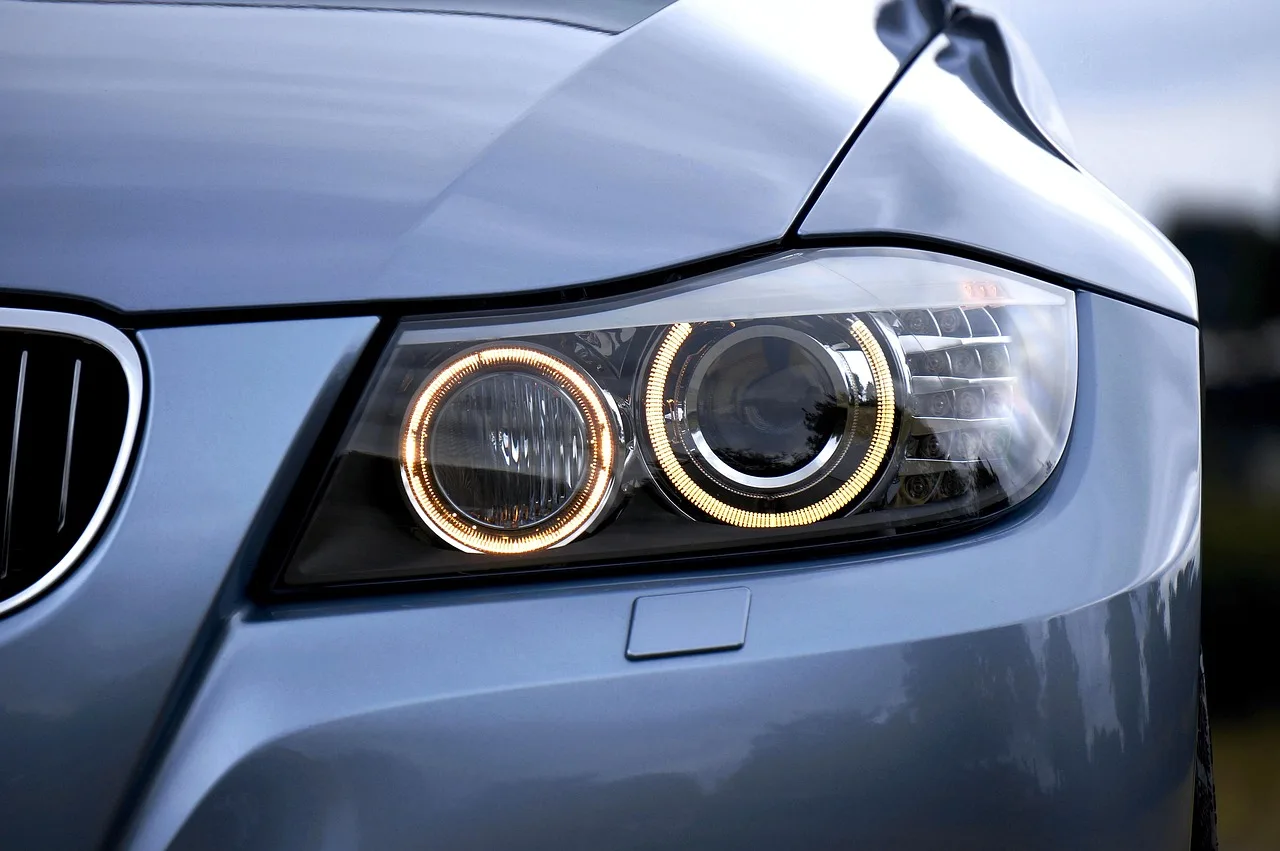
Halogen bulbs use a tungsten filament. Halogen bulbs are usually described as warm or yellowish, and they are commonly cited at roughly 1,000 lumens. LED headlight bulbs use a semiconductor light source, often with a whiter output around 5,500 to 6,000 Kelvin, but color is not the same as road brightness.
The key difference is the bulb, the housing, and the optics together. The way the bulb sits in the housing decides how the beam forms and where the light lands on the pavement. Consumer Reports found that LEDs did not always outperform halogens in illumination, which is the right warning sign for anyone shopping by label alone. (Consumerreports)
Why brightness depends on the full headlamp system
Judge headlight brightness by the light that reaches the road, not only by the number printed on the box. Lumens describe total light output, but they do not show where that light goes. Lux measures light intensity at a point, so it is closer to what a driver actually sees ahead.
That distinction matters because a high-lumen bulb can still send light in the wrong directions. A good beam pattern puts enough light on the lane, shoulder, and signs without flooding oncoming traffic. A poor pattern wastes output and may feel bright in the mirror, not on the road.
Where the answer changes by vehicle and housing
OEM LED systems often beat halogen because the housing, reflector or projector optics, and bulb position were designed together. In contrast, an aftermarket LED bulb dropped into a halogen reflector can look white and modern while giving worse road light than the original halogen setup.
That is why the question is really about the whole headlamp package. The same LED bulb can work well in one car and poorly in another. The same is true for halogen, especially when the lens is cloudy or the aim is off.
📊 CR said many newer vehicles had LED headlights by 2019. Source: LED Headlights Can Be Brighter.
Brightness by real-world setup
| Bulb type | Housing type | Aim condition | Expected glare risk | Likely road visibility outcome |
|---|---|---|---|---|
| Halogen | OEM reflector | Correct | Low to moderate | Even, familiar beam; solid visibility for older cars |
| LED retrofit | Reflector | Correct | Moderate to high if geometry is mismatched | Can look bright, but road light may be patchy or scattered |
| LED | OEM projector | Correct | Low | Usually strong road light with a sharp cutoff and good control |
| Halogen or LED | Aged cloudy lens | Correct or slightly off | Moderate | Lower visibility than the bulb spec suggests; light is scattered and dimmed |
Do lumens tell you which is brighter?
No. Lumens help compare total output, but they do not tell you how much light reaches the lane, signs, or corner ahead. For headlights, lux is the more practical metric because it measures intensity at a point on the road. That is why two bulbs with similar lumen claims can feel very different at night.
Why lux shows light on the road
Lux matters because road driving happens at fixed distances and angles. A tester can measure lux at a specific point and compare how much usable light lands there. That makes lux more relevant than a packaging number when you want to know whether your low beams actually help you see.
RMS Lighting says lux matters more than lumens for headlights. That matches the real question drivers ask: how well can you see the next bend, the lane edge, or a pedestrian in dark conditions?
Why beam shape matters as much as raw output
A beam with a clean cutoff and a strong hot spot on the pavement can feel brighter than a beam that sprays light everywhere. Reflector housings and projector housings distribute light differently, and the difference changes glare, distance, and contrast. The same source notes that projector housings create a sharp cutoff line, which helps keep light where it belongs.
Say your car has a halogen reflector headlamp with a lens that is still clear. A replacement bulb with more lumens than stock may still fail to improve night driving if it throws light above the cutoff and leaves the pavement below it weak. The result can be more dazzle, not more vision.
What makes an LED look brighter?
LEDs often look brighter because the light is whiter, not because every setup throws more useful road light. Consumer Reports noted that halogen bulbs typically give off a yellowish tint, while LEDs often appear whiter. That color difference changes perception, especially when you first switch from halogen.
Whiter light and perceived brightness
Many drivers read a whiter beam as brighter, even when the actual road illumination is similar. LED headlights commonly sit in the roughly 5,500 to 6,000 Kelvin range, which can look cleaner on dark pavement and road signs. That appearance can help visibility, but color temperature alone does not guarantee better lighting.
Beam control and focal point
An LED designed for the right housing can work well because the light source sits where the optics expect it. In an OEM headlamp system, the beam pattern can be controlled tightly, so more of the output lands on the road. That is where LED setups often win clearly.
The same LED in a mismatched reflector can miss the focal point. Then the beam breaks apart, the cutoff gets messy, and the driver may see a brighter foreground with weaker distance lighting. Other drivers on the road may also get more stray light.
When an LED retrofit underperforms
Aftermarket LED replacement bulbs can underperform when they are built for the wrong reflector geometry, sit too far forward or backward, or use chips that do not match the original filament location. In that case, the beam pattern changes more than the output number does. The bulb may look modern and still light the road worse.
A common first-timer mistake is swapping to LED because the packaging says higher lumens, then noticing that road signs flare and the lane ahead looks uneven. That is a sign of a beam problem, not a simple brightness win.
Can halogen be brighter than LED?
Yes. A well-matched halogen headlight can look brighter and perform better on the road than a poorly matched LED retrofit. If the LED is in the wrong housing, has a bad focal point, or is aimed badly, the halogen beam may put more light where it matters and create less glare.
Mismatched LED bulbs in reflector housings
Reflector housings use mirrored surfaces to spread light. They are common with halogen systems because the bulb position and filament geometry are part of the design. Put the wrong LED bulb into that same housing, and the light may scatter instead of focusing. The driver sees glare in front of the car, but not enough distance light.
Poor aim and scattered light
Aiming matters because even a good bulb can lose its advantage if the beam points too high or too low. Too high causes glare and loses contrast on the road. Too low shortens the seeing distance. If the housing is already a poor match, the aim problem stacks on top of it.
Suppose a 10-year-old sedan has clear halogen reflectors and the low beams are set correctly. An LED retrofit with a mismatched chip position may look white and sharp to the driver, yet the road 60 to 100 feet ahead can be less defined than it was with the original bulb.
Older halogen systems with better beam control
Some older halogen systems still perform well because the optics are intact and the beam is controlled cleanly. Halogen bulbs usually last about 2,500 hours, and a replacement may cost about $10 to $25, so many owners keep the original design rather than chase a retrofit. Consumer Reports also notes that LEDs use less energy than halogen and HID lights, but lower power draw is not the same as better road illumination.
Halogens also run hotter than LEDs, and CR says LEDs run cooler. That can matter for heat management and snow melt around the lens, but it does not settle the brightness question by itself.
Does housing decide the winner?
Yes. Housing design often decides whether LED or halogen is brighter in practice. The same bulb type can perform very differently in a reflector versus a projector, and a good OEM design usually beats a random bulb swap.
Reflector housings and glare risk
Reflector housings spread light with mirrored surfaces. They can work well with the bulb they were built for, but they are sensitive to bulb geometry. A replacement LED that does not mimic the halogen filament position can send light in the wrong directions and raise glare for oncoming traffic.
That is why many retrofit complaints are really housing complaints. The bulb may be fine. The optics are not.
Projector housings and cutoff control
Projector housings use a lens to focus light and make a sharp cutoff line. That helps control glare and can improve long-distance visibility when the bulb is matched to the projector. OEM LED projector systems often perform very well because the bulb, optics, and aiming range were engineered together.
This is also where IIHS headlight ratings matter. They evaluate useful illumination and glare as a complete system, including straight and curved road performance. That system-level view is more useful than a simple bulb comparison.
Why OEM design matters more than bulb label
In a factory LED headlamp, the whole unit is designed around the light source. In an older halogen car, the whole unit was designed around a filament bulb. Changing only the bulb can upset the optical match. That is why some LED conversions feel bright up close but lose the road where you need it.
FMVSS No. 108 matters here because retrofit legality in the U.S. depends on the lamp system and how the replacement is interpreted under the standard. A bulb that fits physically is not automatically compliant for road use.
Choose LED if… / Choose halogen if…
Choose LED if your vehicle already has an OEM LED system, or if you are replacing a complete LED headlamp assembly designed for that bulb type. Choose halogen if your car came with halogen optics, you want a low-cost direct replacement, or you need the most predictable beam from the existing housing.
Choose LED if…
- Your car left the factory with LED headlights and the beam pattern is already good.
- You want whiter light and a modern appearance without changing the designed optics.
- You are replacing a full OEM-style LED assembly, not forcing an LED bulb into a halogen reflector.
- You drive at night on dark roads and need a beam with clean cutoff and strong distance lighting.
Choose halogen if…
- Your vehicle uses a halogen reflector and the original beam pattern is still working well.
- You want the cheapest simple replacement, often about $10 to $25 for a bulb.
- Your lens is aging and you are not ready to replace the housing or restore the optics.
- You want the safest path for fitment and beam control without betting on a retrofit bulb.
Frequently asked questions
What’s brighter led or halogen headlights
LED headlights are often brighter on the road when the headlamp housing is designed for them, although a halogen setup can sometimes outperform a poorly matched LED retrofit. The better answer is not the bulb label; it is the beam pattern, aim, lens condition, and whether the optics match the source.
What’s better led or halogen headlights
LED is better for an OEM LED system or a complete projector-style setup with correct optics. Halogen is better if you want a cheap, direct replacement in an older car and you want the original beam behavior. Better depends on fitment, road use, and glare control.
What’s brighter led or halogen lights
LED lights often look brighter because they are whiter and can be aimed into a controlled beam. Halogen can still send more usable light to the road in a well-designed housing than a mismatched LED bulb in a reflector. Brightness on the road is not the same as bulb output.
What matters more for brightness, lumens or lux?
Lux matters more for headlights because it measures light intensity at a point on the road. Lumens only show total output. A bulb with strong lumen claims can still perform poorly if the beam is scattered, aimed badly, or blocked by a cloudy lens.
Are LED headlight retrofits brighter in reflector housings?
Not reliably. A reflector housing may send more stray light and glare with an LED retrofit if the bulb geometry does not match the original filament position. In that case, the driver may get whiter light and less usable road visibility, which is the wrong trade for night driving.
Which headlight type gives better visibility without glare?
Whichever matches the housing best usually gives the best visibility without glare. OEM LED projectors often do very well. A good halogen reflector can also work well. The common problem is a retrofit bulb in the wrong optics, not the bulb type alone.