Windshield Wipers vs Blades: What’s the Difference?
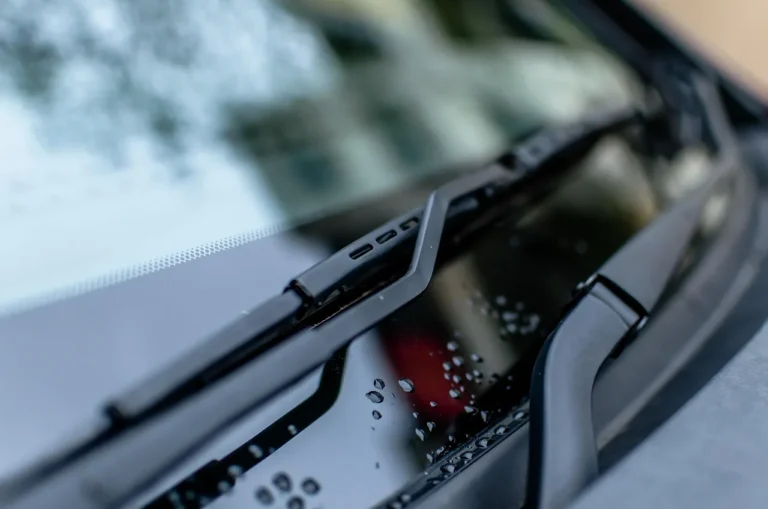
“Wipers” usually means the whole assembly, but the replaceable part is the blade. Match the exact length and connector style. Buy the wrong size or attachment, and the blade can sometimes streak, clip the windshield edge, or fail to mount at all. This guide explains the part names, what actually gets replaced, and how to choose the correct fit without connector or size mistakes.
| Decision factor | Windshield wipers | blades | Winner |
|---|---|---|---|
| What you are buying | The full wiping system: arms, blades, and motor | The rubber or silicone wiping edge plus its frame or beam structure | blades |
| Routine replacement | Usually not replaced as a full system during normal maintenance | Usually replaced when wiping performance drops | blades |
| Fitment risk | Lower if you are replacing the whole assembly through a shop | Higher, because size and connector style must match exactly | Windshield wipers |
| Cost of ownership | Higher when major parts or labor are involved | Lower for routine service, especially on refillable designs | blades |
| Best use case | When the arm, motor, or washer system is the real problem | When the windshield is not clearing well but the hardware still works | blades |
Are windshield wipers and wiper blades the same thing?
No. People often use the words as if they mean the same part, but the full windshield wiper system includes the wiper arms, blades, and motor, while the blade is the part that touches the glass. For most maintenance, you replace the blade, not the whole system.
That difference matters because the driver usually sees only the swept area on the windshield. The trouble may be a worn blade, a weak arm spring, or a motor issue, and each one needs a different fix.
📊 Car and Driver tested wiper blades in 2026 and updated the article in August 2026. Source: Best Windshield Wiper Blades for 2026, Tested.
What part of the wiper system actually gets replaced?
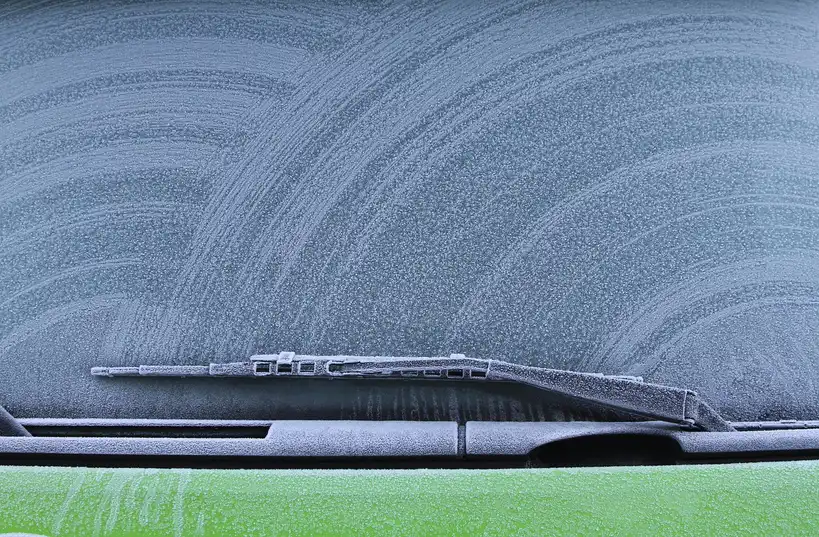
Most routine service stops at the wiper blade. The blade has the rubber or silicone wiping edge and attaches to a specific arm connector, so it is the wear item that fails first. The arm and motor usually stay in place unless there is a separate failure.
Wiper parts decision table
| Symptom | Likely failing part | Quick check | Recommended action |
|---|---|---|---|
| Streaking | Blade | Look for hardened rubber, torn edges, or dirt caught along the wiping edge | Replace the blade first |
| Skipping or chatter | Blade or arm | Check whether the blade edge is uneven or the arm is not holding steady pressure | Replace the blade, then inspect arm tension if the problem stays |
| One-sided wiping | Blade or arm | See whether one side of the blade lifts off the glass | Replace the blade; inspect the arm if the new blade still lifts |
| No movement | Motor or washer fluid system | Check for motor noise, blown fuse, or empty washer reservoir | Inspect the motor and washer fluid system before buying blades |
| Uneven pressure | Arm | Notice whether the blade contacts one area firmly but barely touches another | Inspect the wiper arm for bend, spring weakness, or incorrect angle |
Say your driver-side blade is a 26-inch beam blade, but the passenger side is 18 inches and both now leave thin streaks after a wet highway drive. That points first to blade wear, not a full-system failure, because the hardware is still moving and the issue appears at the glass contact edge.
Suppose the passenger side wipes clean, but the driver side chatters and leaves a dry arc near the top of the sweep. That pattern can point to a blade problem, but if a fresh blade still skips in the same spot, the arm angle or spring tension is the next thing to inspect.
Choose your blade style

Beam and conventional are the two main blade categories, and they solve the same job in different ways. Beam blades use a frameless design that can keep more even contact across the glass, while conventional blades use a framed structure that is often cheaper.
Beam wiper blade
A beam wiper blade uses a frameless shape with a curved spring element built into the blade body. That design can keep more consistent pressure on a curved windshield, especially in rain, road spray, and light winter buildup.
Rain-repellent coating is available on some beam blades and other premium blades, but it is not universal. When present, it can help water bead and move off the glass during light rain, though it does not fix a bad fit or a weak arm.
Conventional wiper blade
A conventional wiper blade uses a framed design with multiple pressure points. It remains common, it is often the lower-cost option, and it still works well when the connector, size, and arm pressure all match the vehicle correctly.
If you just need a direct replacement and do not want extra features, conventional blades can be the practical choice. They are especially easy to compare by size and adapter type because many vehicles have long-established fitments for them.
Rubber refill options
Some blades use a rubber refill, meaning the wiping strip can be replaced without changing the entire blade assembly. That can reduce long-term ownership cost on compatible designs, but not every blade style accepts a refill, so you need to verify compatibility before buying.
Why does connector style matter?
Connector style matters because the blade has to lock onto the arm correctly before it can press against the glass. A size that is right on paper can still fail if the adapter does not match the vehicle’s arm shape, and that mismatch is a common install problem.
J-hook fitment
A J-hook wiper arm is a common attachment style. Blades with hook-style adapters are often the simplest DIY fitment because the hook slips into the adapter and locks with a straightforward click.
That does not mean every J-hook blade is universal. The hook must still match the adapter width and locking method, and some blades include multiple adapter pieces that you need to swap before installation.
Other adapter types
Many vehicles use push-button, side-lock, bayonet, or pinch-tab styles instead of a J-hook. If the blade package does not include the correct adapter, the blade may sit loosely, twist during wiping, or not attach at all.
When shopping, treat the connector as seriously as the length. A correct about-24-inch blade with the wrong adapter is still the wrong part.
How do you pick the right size?
Wiper blade size is usually measured by length, and the front left and front right sizes can differ. The safest approach is to use vehicle year, make, and model fitment data before ordering, then confirm the listed driver and passenger sizes if they are not the same.
- Check the owner’s manual or a fitment guide for your exact vehicle.
- Match the driver-side and passenger-side lengths separately.
- Confirm the connector style on the current blade and arm.
- Choose the blade type that matches your climate and noise preference.
- Inspect the arm if the new blade still wipes unevenly.
Do not assume both sides use the same length just because the car is small or the blades look similar. A one-inch mismatch on one side can leave a strip uncleared near the edge of the glass.
Choose beam or conventional if…
Beam blades fit drivers who want more consistent contact on a curved windshield, frequent rain use, or fewer exposed frame parts in slush and light ice. Conventional blades fit drivers who want a lower-cost replacement and already have a vehicle that accepts that style cleanly.
Choose beam if…
Choose beam if your windshield has a pronounced curve, your area sees frequent rain, or you want a blade that can keep steadier contact at highway speed. It is also a smart pick if you are replacing blades on a vehicle where the original equipment already uses a beam-style design.
Choose conventional if…
Choose conventional if you are replacing blades on a budget and the vehicle has no fitment issues with a framed blade. It is a good choice when you want a straightforward swap and do not need extra features like a hydrophobic coating.
When a refillable blade makes sense
A refillable blade makes sense if the specific blade model supports rubber refills and you plan to keep the same assembly longer. It is not the right answer for every car, but on compatible models it can lower cost over time because you replace only the wiping strip.
Are windshield wipers and blades the same thing?
No, and the difference matters most when you are trying to buy the correct part. The system is the whole moving assembly, while the blade is the service part that touches the windshield. If the arm and motor still work, replacing the blade is usually enough.
For a driver who only wants the glass to clear again, the blade is the first thing to check. If the arm is bent, the spring tension is weak, or the motor does not move at all, a blade swap will not solve the problem.
What features matter most when buying replacement blades?
The most useful features are correct size, correct connector, and the blade design that fits your climate and habits. Rain-repellent coating can help in light rain, and a rubber refill can cut long-term cost, but neither feature matters if the blade does not mount correctly.
Car and Driver tested wiper blades in 2026 and updated the article in August 2026. It also says a great set of wiper blades can make an astonishing difference, recommends checking them once a year, and says buyers should make sure they get the proper size for their vehicle.
Do I need new wiper arms or just new blades?
Most drivers only need new blades. Replace the arm when the blade wipes unevenly even after a correct replacement, when the arm is bent, or when the spring no longer presses the blade firmly enough against the glass. Replace the motor only when the blades do not move or move erratically.
If the blade sits flat but leaves dry patches on one side, the arm is a stronger suspect than the rubber edge. If the blades do not move at all, check the motor, fuse, and washer fluid system before buying more blades.
Can the wrong wiper blade size damage the windshield?
Usually the bigger risk is poor coverage, chatter, or a blade that clips the edge of the swept area. A wrong size can also put the blade out of sync with the arm geometry, which may reduce contact quality and leave water behind. It is less about damaging the glass and more about losing proper wiping performance.
If the blade is too long, it may overreach the intended sweep path or interfere with a trim piece near the glass edge. If it is too short, it leaves a wet band that can reduce visibility in the driver’s line of sight.
How often should I replace my wiper blades?
A common rule is to inspect them at least once a year and replace them when they streak, chatter, or squeak. Heat, sun, road salt, and dry wiping all shorten blade life, so the exact interval depends on where and how the vehicle is driven. (Caranddriver)
If the rubber edge looks cracked, feels stiff, or leaves a film after a normal wash, do not wait for the next seasonal service. Worn blades are cheap compared with poor visibility in rain.
Are premium wiper blades worth it over budget ones?
Sometimes, but only when the added design features solve a real problem for your vehicle and climate. Premium blades may bring better contact consistency, quieter wiping, a beam design, or hydrophobic treatment, while budget blades can still be the right answer for simple, everyday replacement.
Car and Driver names Rain-X Latitude Water Repellency as best overall, Bosch Icon as the premium pick, and Trico Flex as the best budget option. It also says the Rain-X Latitude blades left no streaks in testing, which shows that higher price does not automatically mean better fit for every driver.
Why do some blades streak, chatter, or squeak?
Those symptoms usually point to a worn wiping edge, dirty glass, poor arm pressure, or an incorrect blade fit. Streaking often means the edge is failing to contact the glass evenly, while chatter and squeak often show up when the blade skips across a dry or uneven surface.
If the blade is new and still makes noise, check the connector and adapter first. A loose or mismatched fit can let the blade twist slightly instead of staying flat against the windshield.
How do you know which wiper blade fits your car?
Start with the vehicle’s year, make, and model, then verify the front left and front right lengths separately. After that, confirm the connector style on the current arm, because the right size with the wrong adapter still will not install correctly.
A common first-timer mistake is choosing a replacement just because the blade looks like the old one instead of checking the mounting style and length. Two blades can look similar on the shelf and still use different lock styles, different lengths, or different adapter inserts.
Frequently asked questions
What are the main types of windshield wiper blades?
The two main types are beam and conventional. Beam blades use a frameless design that often keeps more even contact, while conventional blades use a framed design that is often cheaper and still common on many vehicles.
How do I know which wiper blade fits my car?
Use your vehicle year, make, and model, then confirm the length for each side and the connector style. The blade must fit the arm connector and match the specified length, or it may not mount correctly or sweep properly.