Winter Tires vs All-season Tires on Ice: Which Is Safer?
Winter tires stop and turn better on ice than all-season tires, especially during braking and cornering. If you face regular icy roads, choose winter tires. The wrong tire can add stopping distance, reduce steering control, and turn a slow stop into a slide. This guide compares ice grip, cold-temperature rubber behavior, and the failure modes that matter most on freeze-thaw roads.
| Factor | Winter tires | All-season tires | Winner |
|---|---|---|---|
| Ice braking | Better stopping grip on ice and packed snow | Longer stops and earlier slide onset on ice | Winter tires |
| Cornering and steering | More predictable turn-in and better cone control | More likely to push wide or lose the line | Winter tires |
| Cold-weather rubber behavior | Rubber stays more flexible in cold weather | Rubber hardens as temperatures drop | Winter tires |
| Best use case | Frequent ice, freezing lows, stop-and-turn priority | Moderate climates with rare ice exposure | Depends on climate |
Why stopping distance on ice decides tire safety
Winter tires are built for snow, ice, and freezing temperatures, while all-season tires are a compromise for moderate climates. On ice, the gap is not about marketing language; it shows up in stopping distance, steering control, and how the tread keeps contact when the pavement turns slick.
On freeze-thaw roads, the safer choice depends on how often you meet ice and how much a long stop matters to you. If you only care about general comfort or dry-road behavior, all-season tires can seem “good enough.” If you care about ice, they are the weaker tire.
Ice braking is the main test
Ice braking matters more than broad winter traction because a tire can feel acceptable in light snow and still slide badly when you need to stop at an intersection. The key question is simple: how much road do you need to stop the car when the surface is polished, shaded, or just below freezing?
That is where winter tires separate themselves. Their rubber stays more flexible in cold temperatures, and their tread uses deeper grooves and more biting edges, so they can hold the surface better when the pavement offers almost no grip.
Which tire stops shorter on ice?
Winter tires stop shorter on ice than all-season tires. In low-speed ice testing, winter tires also hold the line better in turns, which matters because many real ice crashes happen while braking and steering at the same time. The difference is large enough to change whether you stop before the hazard or slide into it.
TireRack.com’s ice-rink test used a speed of around 16 km/h. The winter-tire vehicle came to a complete stop in just over six meters. The all-season-tire vehicle took nearly twice as much time to stop, and in the 90-degree cone turn the winter-tire vehicle made it through while the all-season vehicle ran over the cones.
What that means at a stop sign
Say your route includes one icy neighborhood stop sign and a downhill approach to it. Winter tires give you a better chance of stopping in your lane instead of creeping through the intersection, especially when the road is shaded and the surface looks wet but behaves like ice.
That difference matters on side streets, rural junctions, and parking lots where speeds are low but traction demand is sudden. At those speeds, a few extra meters can decide whether you stop cleanly or drift into a curb, a crosswalk, or another car.
Snow test results still point the same way
Consumer Reports found 18 meters for winter tires and 23 meters for all-season tires in moderately packed snow. That result is snow-specific, not ice-specific, but it matches the ice data: winter tires generate more usable grip in cold conditions, and all-season tires give up ground as the surface gets colder and slicker.
Why do winter tires grip better in cold weather?
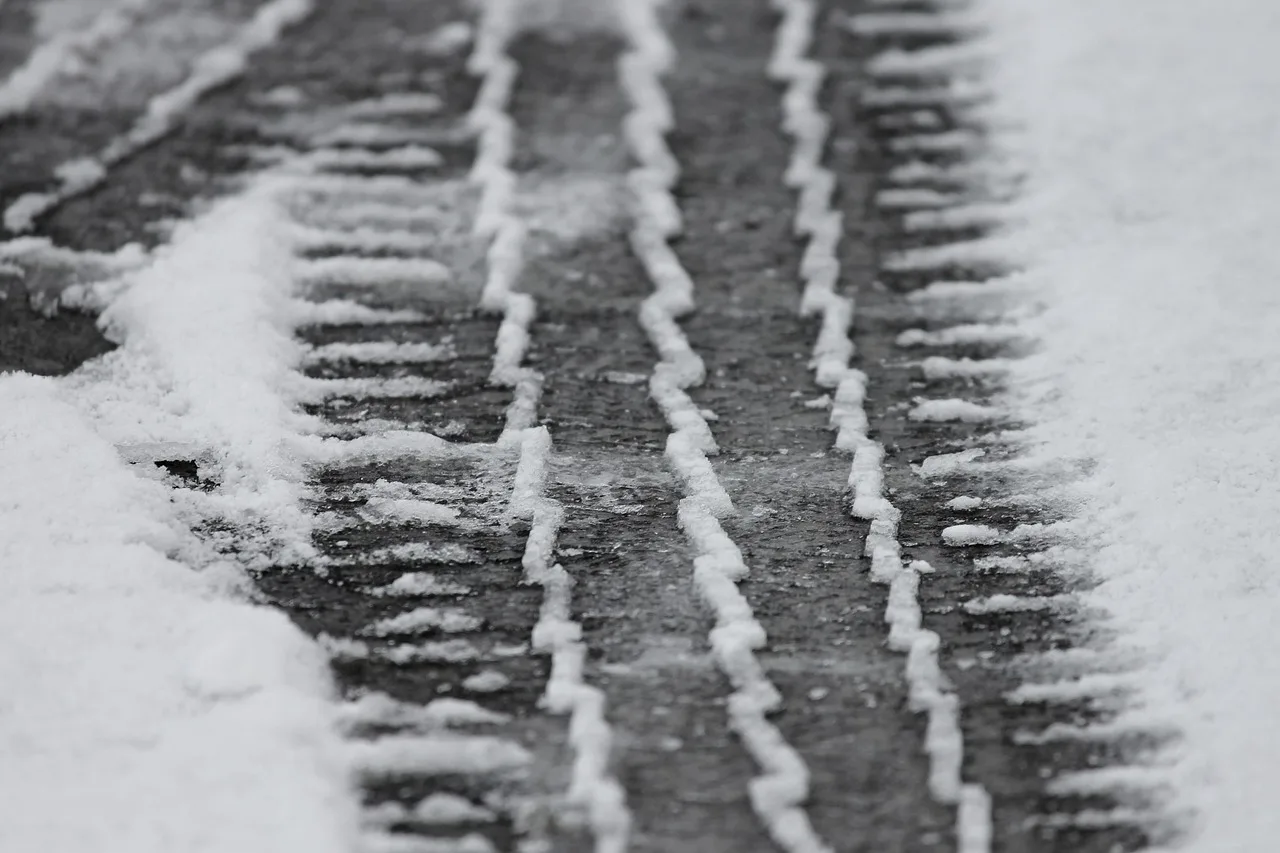
Winter tires grip ice better because their rubber compound is designed to stay flexible in cold temperatures. Flexible rubber can conform to small surface irregularities instead of stiffening and sliding across them. That matters most when the road is near freezing and the tire needs every bit of contact patch it can keep.
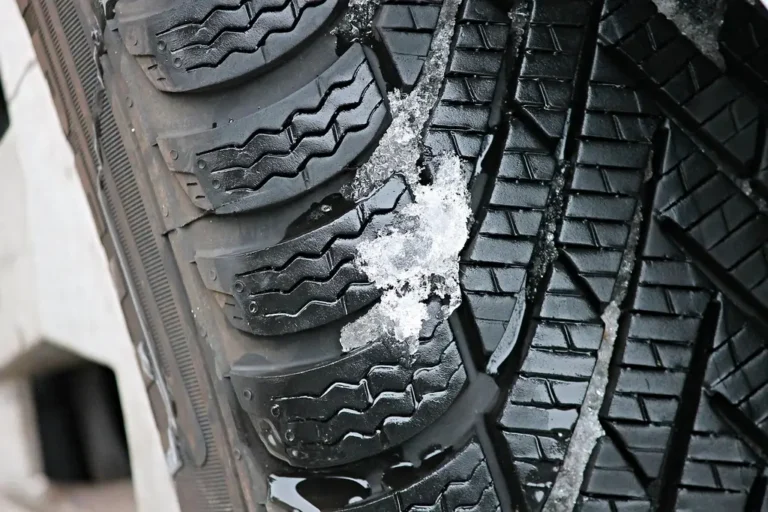
Deeper grooves and more biting edges also help. Those features do not create grip out of thin air, but they give the tire more edges to dig into thin films of snow, slush, and rough ice. On slick roads, more usable edges usually means more control.
Temperature is the practical cutoff
A common cold-weather threshold cited is 7 C and below. Below about 7 C, all-season tires can begin to lose some of the flexibility that helps them conform to the road surface. That is why the winter-tire decision is not just about snowstorms; it is also about long stretches of cold pavement and repeated overnight freezes.
All-season tires are made for moderate climates, so they are a compromise by design. They can work when winter is mild and ice is rare, but they are less specialized for the exact conditions that make ice dangerous.
What goes wrong with all-season tires on ice?
All-season tires harden in cold weather, and that cold-stiffening hurts traction on ice. The problem shows up first in braking, then in turning, and finally in low-speed maneuvers like hill starts and tight parking-lot turns. A tire that feels acceptable on dry pavement can turn vague and slippery once the temperature drops.
The failure mode is usually not a sudden total loss of control. It is more often a gradual slide: longer stopping distances, wider turns, and less steering response. On a hill, that can mean wheelspin when pulling away or a slow rollback that starts before the tires bite.
Braking, turning, and hill starts fail differently
Braking is where the gap is easiest to feel. Turning is where it becomes obvious that grip has run out, because the front tires cannot hold the intended line through a corner or a 90-degree turn. Hill starts expose the same issue with a different load pattern: low speed, high torque demand, and little margin for slip.
A common first-timer mistake is to assume that “not snowy” means “not wintery.” Picture a 2 a.m. commute after a wet rain that froze by dawn; the road looks merely damp, but the first stop at a cross street is on black ice, and the all-season tire begins to slide before the car has settled.
What all-season tires are good
All-season tires still make sense when ice is rare and winter lows stay relatively mild. They are a reasonable compromise for drivers who spend most of the year on clear roads and only occasionally see a light frost or a brief cold snap. They may not be the safer choice once ice becomes a recurring surface condition.
Ice-risk decision table
Use this table to match your route to the tire choice. The basic rule is simple: the more often your temperatures sit at 7 C and below, and the more often you meet patchy ice, the more winter tires move from “nice to have” to safer default.
| Average winter low | Frequency of ice | Road type | Priority | Recommendation |
|---|---|---|---|---|
| Below 0 C | Frequent | City streets | Braking | Winter tires – repeated stops at lights and intersections make ice grip the priority. |
| Below 0 C | Frequent | Rural roads | Turning | Winter tires – shaded curves, side roads, and black ice raise slide risk. |
| Below 0 C | Occasional | Highways | Commuting | Winter tires – fewer stops than city driving, but icy ramps and lane changes still matter. |
| 0 C to 7 C | Frequent | City streets | Braking | Winter tires – cold flexibility loss begins here, and stop distances matter most in traffic. |
| 0 C to 7 C | Occasional | Mixed roads | Commuting | Winter tires if ice is a regular part of the route; all-season tires only if ice is truly rare. |
| Above 7 C | Rare | Highways | Commuting | All-season tires – moderate-climate use with limited ice exposure fits their design better. |
How to use the table for daily driving
If your winter includes daily freeze-thaw cycles, winter tires are the safer choice even if snow is light. The problem is the ice, not the amount of snow on the shoulder. Once ice shows up at intersections, on bridges, or on rural bends, the tire with better cold flexibility and bite has the advantage.
Suppose you live where the average winter low sits around -5 C and your commute includes one untreated side street plus a hill. That is a winter-tire profile, even if the main highway is mostly clear, because the dangerous part of the trip is the slow, low-margin section near home.
Choose Winter tires if… / Choose all-season tires if…
Choose Winter tires if you drive on icy roads more than rarely, your average winter low is at or below 7 C, or your route includes stop-and-go city traffic, hills, or side streets that freeze first. Choose all-season tires if you live in a moderate climate, ice is rare, and you want one tire that stays acceptable across most of the year.
- Choose Winter tires if you need shorter ice stops at intersections.
- Choose Winter tires if your route includes black ice, shaded corners, or frozen ramps.
- Choose Winter tires if steering control on icy turns matters more than year-round convenience.
- Choose all-season tires if winter lows are usually above freezing and ice shows up only a few times a year.
- Choose all-season tires if you can avoid driving during the coldest, iciest stretches.
Frequently asked questions
Are winter tires safer than all-season tires on ice?
Yes. Winter tires are safer on ice because their cold-flexible rubber and winter tread design give them more usable grip when the road is slick. That advantage shows up most in braking and cornering, where all-season tires are more likely to slide sooner and stop later.
How much better do winter tires stop on ice than all-season tires?
The exact gap depends on the surface, but low-speed testing shows a clear difference. TireRack.com’s ice-rink test at around 16 km/h found the winter-tire vehicle stopping in just over six meters, while the all-season vehicle took nearly twice as much time to stop.
Do all-season tires harden in cold weather?
Yes. Cold weather makes all-season tire rubber stiffer, which reduces its ability to conform to the road surface. That cold-stiffening is one reason all-season tires lose grip on ice and become less predictable when temperatures fall to 7 C and below.
What temperature do all-season tires stop working well?
There is no exact cutoff, but a common cold-weather threshold is 7 C and below. Below that point, all-season tires start losing the flexibility they need for good cold traction. The lower the temperature and the more ice on the road, the stronger the case for winter tires.
Can all-season tires be used in mild winters with occasional ice?
Yes, if ice is truly rare and winter lows stay mild. That is where all-season tires fit best: moderate climates with limited cold exposure. If your area gets regular freeze-thaw cycles, patchy black ice, or repeated morning freezes, winter tires are the safer choice.
What makes winter tires grip ice better?
Winter tires grip better because their rubber stays flexible in cold temperatures and their tread uses deeper grooves and more biting edges. Those features help the tire keep contact and create more usable friction on slick roads, especially during braking and steering.
Is it worth buying winter tires if I only drive on icy roads sometimes?
If “sometimes” means a few isolated days in a mild climate, all-season tires may be acceptable. If “sometimes” means regular patches of morning ice, shaded roads, or winter commute delays, winter tires are worth it because the worst stops and turns happen exactly when grip is lowest.
How do winter tires compare to all-season tires in braking and cornering on ice?
Winter tires are better in both. They stop shorter and hold a corner line more reliably, which is why they are the safer option on ice. All-season tires may feel adequate in moderate weather, but they give up control sooner when the road turns cold and slick.