Roof racks vs roof rails: what’s the difference, exactly?
Roof rails are fixed lengthwise bars on the roof. Roof racks are the crossbars, feet, baskets, or platform that carry cargo. The right fit depends on whether your vehicle has a bare roof, raised rails, or flush rails. Pick the wrong system and you can get poor fit, wind noise, roof damage, or a load that should never have been mounted. This guide explains the difference and shows what fits bare roofs, raised rails, flush rails, SUVs, sedans, hatchbacks, and trucks.
Roof racks vs roof rails: the short answer
Roof rails run front to back along the roofline. Roof racks are a cargo-carrying system that may mount to rails, factory points, gutters, or a bare roof, depending on the vehicle. Rails are the base; racks are the part that actually supports the load. Crossbars sit in the middle of that setup.
Why the terms get mixed up
People often call any roof-mounted hardware a “roof rack,” even when the vehicle only has factory roof rails. That can cause confusion because rails alone are often not enough to hold cargo safely. You normally need crossbars or a purpose-built rack to carry anything meaningful.
Where crossbars fit in
Crossbars span the vehicle width and clamp perpendicular to roof rails. They are often the basic form of a roof rack, and they create the platform that bike mounts, cargo boxes, kayak carriers, and ski or snowboard carriers attach to. Without crossbars, many accessories have nothing to grip.
Roof rails vs roof racks side by side
The main trade-off is simple: roof rails are a vehicle feature and roof racks are a cargo system. Rails are often already there, but racks do the real work of holding gear. If you need to carry bikes, kayaks, or a rooftop tent, the rack side of the setup is usually the deciding factor.
| Decision factor | Roof rails | Roof racks | Winner |
|---|---|---|---|
| Primary role | Base mounting system along the roofline | Cargo-carrying surface and support system | Roof racks |
| Can carry cargo alone? | No, not usually | Yes, with the right crossbars or platform | Roof racks |
| Accessory support | Needs compatible crossbars or adapters | Supports mounts directly in many setups | Roof racks |
| Factory vehicle fit | Common on SUVs, crossovers, and some trucks | Can mount to rails, factory points, gutters, or bare roofs | Tie |
| Noise and height impact | Lower profile by itself | Can add wind noise and reduce fuel economy; may add height | Roof rails |
What roof rails do
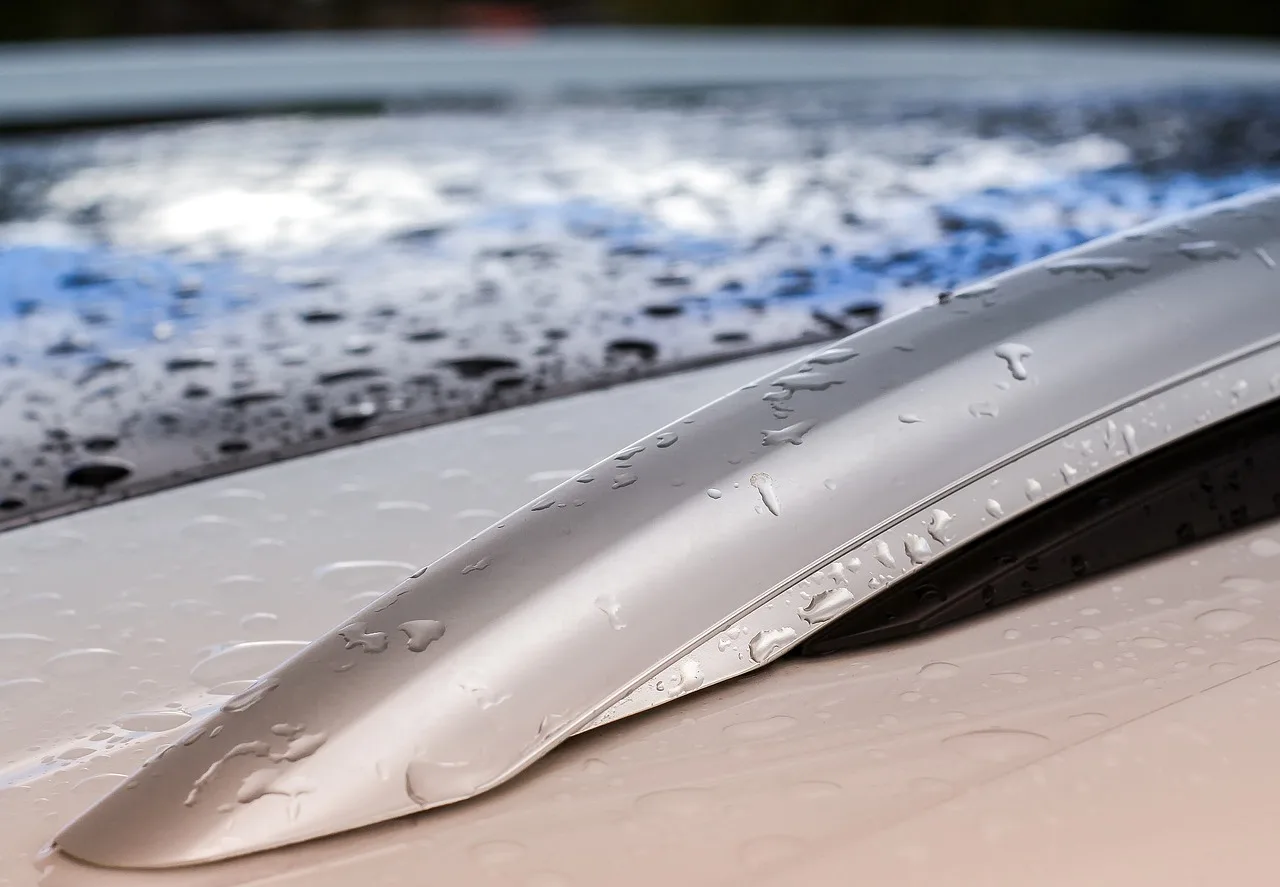
Roof rails run along the length of a vehicle’s roofline and act as a mounting base, not the cargo surface itself. Raised rails sit visibly above the roofline on short support feet. That shape makes them easier to clamp than flush rails, but they still do not replace a rack system.
What a roof rack does
A roof rack is the assembly that carries cargo directly. It can include crossbars, baskets, or a full cargo platform. Roof racks can mount to roof rails, factory points, gutters, or a bare roof, depending on the vehicle and the kit.
How crossbars change the setup
Crossbars are the part most owners need for everyday cargo. They give accessories a stable span across the roof, which is why many bike mounts and cargo boxes specify a crossbar system. On a vehicle with rails, crossbars usually turn a base rail into a working rack.
What each system can carry
Roof rails alone do not carry cargo effectively in most cases. Add crossbars or a platform, and the setup can take common loads such as bikes, kayaks, cargo boxes, ski and snowboard carriers, rooftop tents, and basket-style cargo platforms. The accessory type matters as much as the vehicle type.
What are raised roof rails versus flush roof rails?
Raised roof rails sit above the roofline on visible support feet, while flush roof rails sit nearly flush against the roof surface. Both are base systems, but the shape changes how easily you can clamp on crossbars and which rack feet or adapters will fit. Fitment is not interchangeable.
Raised rails
Raised rails are common on SUVs, crossovers, and some trucks. Because they sit higher, many clamp-on crossbars and accessory feet attach more easily. That does not mean every product fits every vehicle, only that the raised profile gives more room for common clamp styles.
Flush rails
Flush rails sit low against the roof, with little gap between the rail and the sheet metal. That lower profile usually means you need crossbars or rack systems made for flush rails specifically. A kit made for raised rails may not seat correctly on a flush setup.
Why the rail style changes fitment
The rail shape changes where the clamp lands, how much space it has, and whether the foot pack clears the roof edge. That is why a rack that works on one SUV can fail on another with similar-looking rails. The rail type is part of the fitment decision, not a cosmetic detail.
Can you put a roof rack on a car with roof rails?
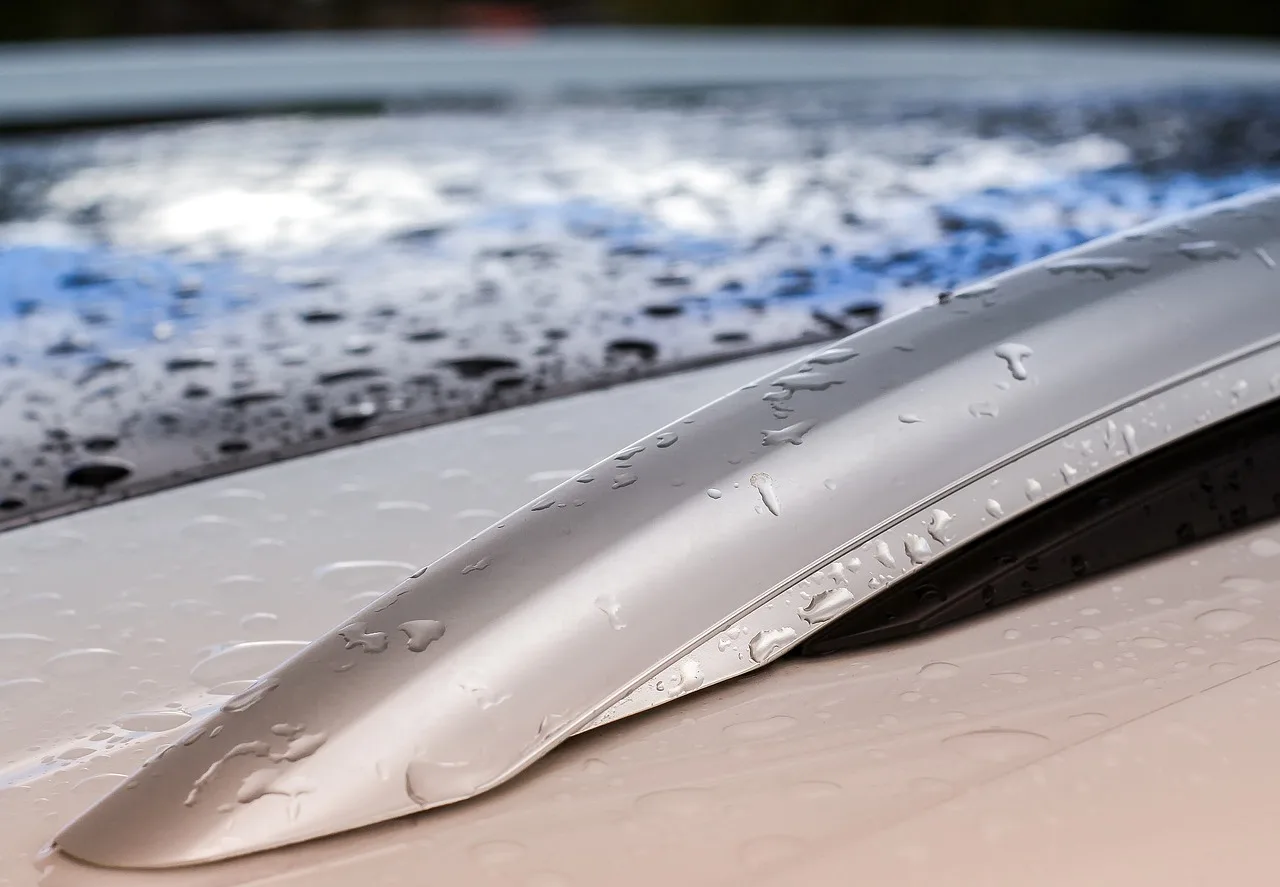
Yes, often you can, but the rails must accept the right crossbars or foot pack. Raised rails are usually the easiest starting point, while flush rails may need a kit built for that shape. The rail style decides whether the rack clamps directly or needs adapters.
When rails accept crossbars directly
Many raised roof rails accept clamp-on crossbars without extra hardware beyond the foot pack. That makes them a common base for bike mounts, cargo boxes, and basket racks. Even then, the product must list your exact rail shape and spacing.
When you need a clamp kit or foot pack
Flush rails often need a rack system designed to grip a specific contour, not just any bar with universal jaws. A foot pack may bridge the gap between the rail and the bar, or it may be built into the crossbar kit. The correct interface matters more than the bar brand name.
When the rail shape blocks fitment
A common first-timer mistake is buying crossbars sized for raised rails and trying to force them onto flush rails. The clamps may sit crooked, the load may shift, and the rubber pads may not contact where they should. If the kit does not list flush-rail fitment, skip it.
Can you install a roof rack on a car without rails?
Yes, some cars without rails can still take a roof rack, but the mounting method changes. You may need factory roof points, a door-jamb clamp system, or a bare-roof rack built for that body style. The absence of rails does not mean the roof is off limits.
Bare roof mounting points
Some bare roofs have covered mounting points hidden along the roofline. Those points can accept a rack made for that vehicle, often with vehicle-specific feet. This is the cleanest bare-roof setup because it is designed into the roof structure.
Door-jamb clamp systems
Other bare-roof racks clamp through the door frame or to the roof edge. These systems are common on sedans and hatchbacks with no rails. They work only when the kit matches the body shape and door opening exactly.
What to avoid on a bare roof
Do not assume a rail-specific crossbar will work on a bare roof. The foot shape, clamp angle, and contact pads are different. A mismatch can mar paint, fit loosely, or fail to hold an accessory under load.
Compatibility matrix: what works on bare roofs, raised rails, and flush rails
This matrix shows the practical fitment split: what mounts directly, what needs adapters or vehicle-specific crossbars, and what should be avoided. The details matter because a bare roof, raised rail, and flush rail each demand a different mounting path.
| Accessory outcome | Bare roof | Raised rails | Flush rails |
|---|---|---|---|
| Crossbars | Needs a bare-roof rack kit or factory-point feet | Mounts directly with rail-specific feet | Needs flush-rail-specific crossbars |
| Cargo box | Works after crossbars are installed | Works on compatible crossbars | Works on compatible crossbars |
| Bike mount | Works after crossbars are installed | Works on compatible crossbars; may clamp directly to some rails only with adapters | Works on compatible crossbars |
| Kayak carrier | Works after crossbars are installed | Works on compatible crossbars | Works on compatible crossbars |
| Rooftop tent | Avoid unless the rack is specifically rated for it | May work only on a load-rated rack system | May work only on a load-rated rack system |
| Basket-style platform | Works with a bare-roof rack platform | Works on compatible rails and crossbars | Works on compatible flush-rail rack systems |
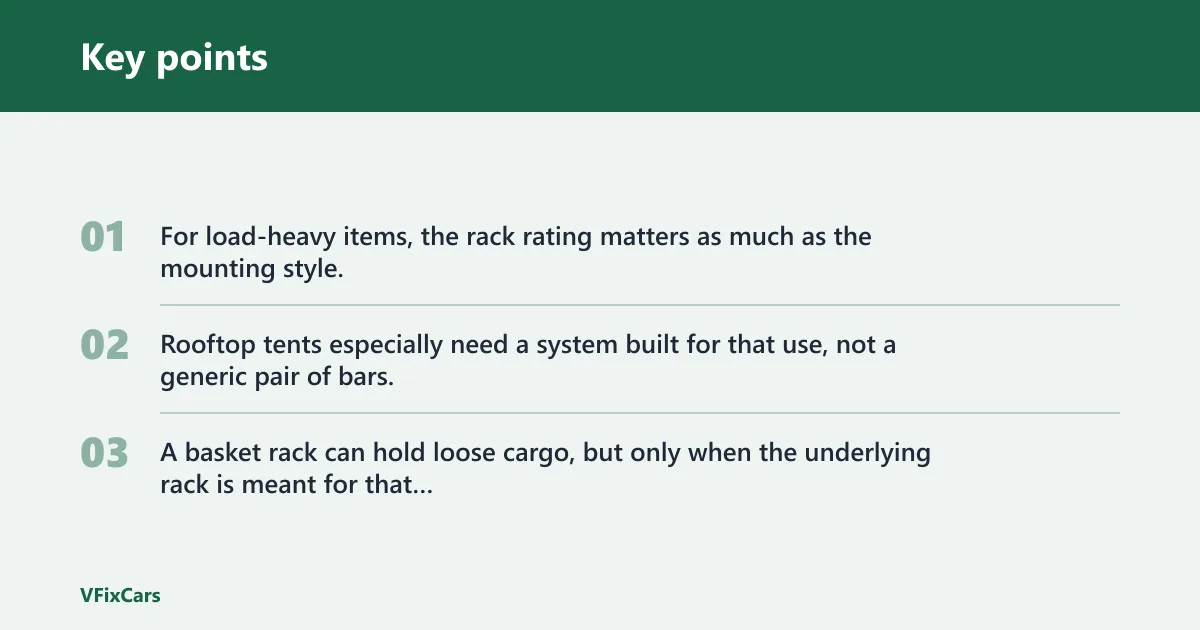
For load-heavy items, the rack rating matters as much as the mounting style. Rooftop tents especially need a system built for that use, not a generic pair of bars. A basket rack can hold loose cargo, but only when the underlying rack is meant for that load.
Which is better for bikes, kayaks, or a cargo box?
Roof racks are better for those loads because they provide the carry surface, while roof rails are only the base. For bikes, kayaks, and cargo boxes, the usual winning setup is rails plus crossbars, or a bare-roof rack with the right feet. The accessory decides the exact fit.
Bikes
Bike mounts usually attach to crossbars. If your vehicle has raised rails, crossbars are often the simplest path. On a bare roof, you need a rack system first, then the bike tray.
Kayaks
Kayak carriers also rely on crossbars or a platform. The carrier may clamp to round, square, aero, or factory crossbars, so the bar profile matters. A rail alone does not give the kayak carrier a usable span.
Cargo boxes
Cargo boxes usually require crossbars. They need a stable front-to-back and side-to-side mount, plus enough clearance to open the vehicle hatch. If the rack sits too high, garage clearance can become a problem.
Picture a hatchback with flush rails and a low garage opening. A cargo box on the wrong crossbars may add enough height that the hatch clears the garage door but the box does not. That is a fitment problem, not a box problem.
Do roof rails count as a roof rack?
No. Roof rails are part of the base mounting system, while a roof rack is the load-bearing setup that actually carries cargo. Rails can be one part of a rack package, but on their own they are not the same thing.
Why that distinction matters
If you treat rails as a complete rack, you may skip the crossbars or feet needed for safe mounting. That leads to unstable loads and wrong accessory choices. The difference is small in language and big in use.
What are the tradeoffs of roof racks?
Roof racks can increase wind noise and reduce fuel economy, and they may add height that affects garage clearance. Those effects are real whether the rack sits on rails or on a bare roof. The more upright and exposed the system, the more likely you are to notice them.
Noise and fuel economy
Crossbars and baskets disturb airflow more than a bare roof. Some shapes are quieter than others, but any added hardware can create more wind noise than the vehicle had before. That matters most on highway drives.
Height and clearance
Once you add crossbars, a box, or a basket, the vehicle sits taller. That can change parking-garage clearance and make loading harder. A low-profile rail setup may still become tall once the rack is in place.
Choose roof rails if… / Choose roof racks if…
Choose roof rails if you want the factory base already on the vehicle and you plan to add crossbars or a rack later. Choose roof racks if you need to carry bikes, kayaks, cargo boxes, or a rooftop tent now. Rails start the system; racks finish it.
Choose roof rails if…
Choose roof rails if your vehicle already has raised or flush rails and you want a base for later accessories. Choose rails if you prefer a lower-profile look and are still deciding on the cargo system. Choose rails if you need the factory mounting path before adding crossbars.
Choose roof racks if…
Choose roof racks if you need a complete load-bearing setup for regular use. Choose racks if your vehicle has a bare roof and you need a mounting solution from scratch. Choose racks if you plan to carry bikes, kayaks, a cargo box, or a rooftop tent and want the accessory to mount correctly.
Frequently asked questions
What’s the difference between roof rails and roof racks?
Roof rails are the lengthwise bars that run along the roofline and act as a base mounting system. Roof racks are the cargo-carrying system, which may include crossbars, baskets, or a full platform. Rails support the rack; the rack carries the load.
Do roof rails need crossbars to carry cargo?
In most cases, yes. Roof rails alone usually are not enough to carry cargo effectively, because the accessory needs a side-to-side span or platform. Crossbars turn the rails into a working load base for boxes, bikes, kayaks, and similar gear.