
What Is the Purpose of a Roof Rack on a Car?
A roof rack gives you a mounting system for carrying cargo on the car roof, and it is the right choice only if the vehicle’s roof rating, crossbar fit, and load shape all match the gear you plan to carry. Choose poorly and you can lose cabin room, create wind noise, damage the roof, or overload the car. This guide explains what a roof rack does, how it differs from roof rails and roof boxes, and how to check fit and cargo limits before you buy or install one.
What is a roof rack for?
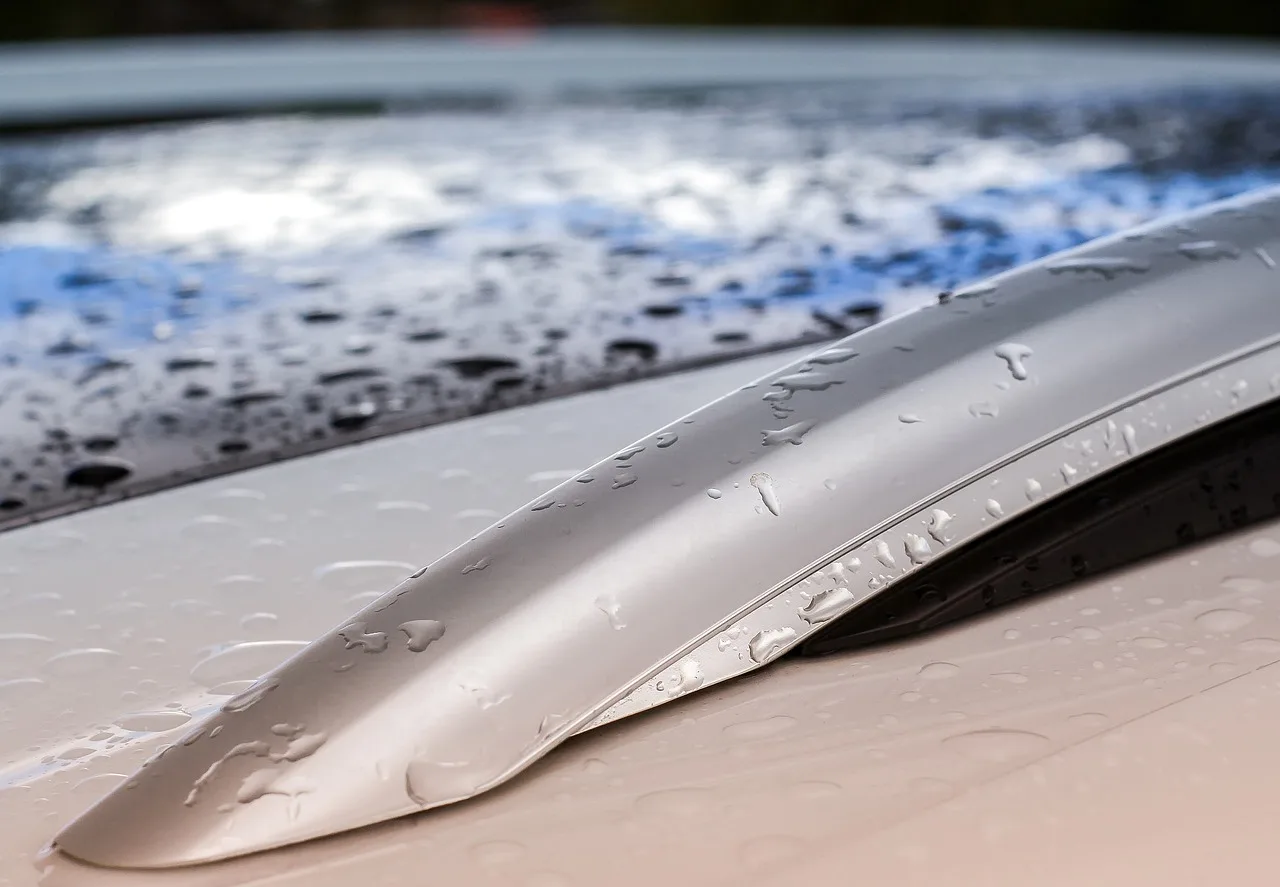
A roof rack is for carrying cargo on the roof, outside the cabin. It can provide a base for luggage, bikes, skis, surfboards, kayaks, and canoes, and may free up interior space for passengers. That makes it useful when the load is long, awkward, or simply too bulky for the interior.
Extra cargo space on the roof
The main purpose is simple: carry gear outside the cabin. Roof racks are described for small cars through buses, so the idea is not limited to large vehicles. What changes is the mounting method and the load limit, which depend on the roof type and the rack system.
Think of the rack as a modular cargo platform. The crossbars form the load surface, and accessories attach to them. That is why one setup can carry a cargo basket on Saturday, then a ski holder or bike carrier on Sunday.
Common items it carries
Roof racks are commonly used for luggage and travel bags, but the shape matters. Long or dirty items such as skis, surfboards, and kayaks fit better on the roof than inside the cabin, especially if you want to keep seats clear or avoid folding the rear row.
Say your hatchback can fit two suitcases and a stroller inside, but a third bag blocks rear visibility. A roof rack can take that extra bag without changing the cabin layout, provided the roof and rack limits allow it.
When it is the wrong tool
A roof rack is not the best answer for every trip. If the load is enclosed luggage, a roof box is often a better choice because it protects gear from weather and hides contents from casual theft. If the load is heavy and easy to lift from the rear, a hitch carrier can be easier to load.
It is also the wrong tool when garage clearance is tight, when you drive under low structures often, or when you only need extra space once a year. In those cases, the added height and drag may outweigh the convenience.
Roof rails, crossbars, and roof boxes
These parts do different jobs. Roof rails are the vehicle-side mounting interface on the roof. Crossbars are the bars that run across the car and carry the load. A roof box is an enclosed carrier that sits on the rack and gives luggage better weather protection and more theft resistance than an open setup.
What roof rails do
Roof rails are the longitudinal rails that sit on the roof. They may be raised rails or flush rails, and that difference matters because it changes how the rack clamps or bolts on. Some vehicles use fixed points or rain gutters instead of visible rails.
Roof rails are not the same thing as a roof rack. Rails can support a rack, but they do not by themselves create a load platform for most cargo accessories.
What crossbars do
Crossbars are the perpendicular bars that form the working surface for many accessories. Bike racks, ski racks, kayak racks, and cargo baskets often clamp to them. Some systems include the needed hardware, while others need separate fit kits or rail-specific mounts.
One example is a complete system that comes with load bars, hooks, locks, and the required parts. Another crossbar system is described at about 130 lbs and roughly 46.5 inches in length. Those details matter because fit and carrying capacity are not generic.
Where a roof box fits
A roof box sits on top of the crossbars and closes around the cargo. It is a more specialized version of luggage-carrying equipment, and it suits travel gear better than loose bags. It also reduces exposure to rain and road grime, which an open basket cannot do.
That added enclosure comes with trade-offs. A box is taller, heavier, and usually more expensive than an open rack. It can also be more awkward in a low garage, so clearance matters before you buy one.
How does a roof rack attach?
A roof rack attaches according to the roof type on the vehicle. Common mounting types include bare roofs, raised rails, flush rails, fixed points, and rain gutters. The hardware has to match the roof interface, or the rack will not be secure.
Bare roof
A bare roof has no visible rails. It usually needs a vehicle-specific fit kit or feet that clamp to the door frame or designated mount points. This is where exact fit matters most, because the contact points and load path are more specific than on a railed roof.
Do not treat a universal clamp as a universal solution. The rack must match the car, not just the cargo.
Raised rails and flush rails
Raised rails have a visible gap between the rail and the roof. Flush rails sit closer to the roofline. Both can support crossbars, but the mounting feet and clamp design may differ. A system that fits raised rails may not fit flush rails without different hardware.
Some crossbars are sold as raised-rail systems and list a 150 lbs capacity. That figure is not a promise for every vehicle; the vehicle roof limit still controls if it is lower.
Fixed points and rain gutters
Fixed points are designated mount locations built into the roof structure. Rain gutters are the raised channels along the roof edge on older or utility-style vehicles. Both can be strong mounting interfaces, but the rack hardware must be designed for them.
Roof racks are available for a wide spread of vehicles, from compact cars to buses, because the attachment method changes with the roof style. Compatibility is the part that decides whether the system is usable, not the vehicle size alone.
What can you carry on it?
Roof racks can carry a lot of different cargo, but the best choice depends on shape, weight, and how often you load it. Flat and narrow items are easier to secure. Tall, heavy, or fragile cargo often pushes you toward a different carrier.
Bikes and bike carriers
Bike racks are one of the most common accessories for crossbars. They keep the wheels or frame secured above the cabin, which helps when the back seat is full. The trade-off is height, especially when lifting a heavy bike overhead.
For frequent bike transport, a hitch carrier is often easier to load. For occasional use, a roof-mounted bike rack can be enough if you can reach the bars safely.
Skis and snow gear
Skis fit well on a roof rack because they are long and narrow. Ski racks clamp to the crossbars and keep wet gear outside the cabin, which helps on winter trips. This is one of the clearest matches for the roof-rack format.
Kayaks, canoes, and surfboards
Roof racks are built for kayaks, canoes, and surfboards, but the accessory must match the hull or board shape. Kayak cradles, saddle mounts, and tie-down points improve stability, while padded bars alone may be enough for some boards. Secure straps matter more here than with luggage.
A common first-timer mistake is loading a kayak on bare crossbars with only one strap at each end. That can let the boat shift under side wind or braking. A proper carrier and bow and stern tie-downs reduce that risk.
Luggage and cargo baskets
Cargo baskets and open platforms are useful for bulky bags, camping gear, and awkward shapes. They are easier to load than a roof box, but they leave cargo exposed to weather and theft. They also let soft items shift unless you secure them properly.
How will a roof rack affect your car?
A roof rack can affect wind noise, clearance in tight spaces, fuel use, and how exposed cargo is to theft. The biggest everyday effects are wind noise, fuel use, and added attention from thieves if gear stays up top. Those trade-offs are worth weighing before installation.
Wind noise and fuel use
Wind noise is a common highway-speed drawback. Bar shape and rack profile matter because they change how air moves around the bars. A tall, empty rack is more likely to be noticed than a low-profile setup, and a box or basket can add even more drag.
Fuel economy can drop because the vehicle has to push more air. The exact effect varies with speed, rack shape, and whether the rack is empty or loaded. If you mostly drive short city trips, the penalty may be less noticeable than on long highway runs.
Garage clearance and parking
Roof cargo adds height. That matters in home garages, office ramps, drive-throughs, and parking structures with low limits. If you already park close to a roof beam or garage door edge, a roof box may be a poor fit even when a bare rack would clear.
Picture a sedan that fits easily into a garage on its own. Add a roof box, and the same car may no longer clear the door track. That is not a rack problem; it is a height problem.
Security and theft exposure
Open racks leave gear visible. A locked roof box hides luggage better and can deter casual theft, while a simple basket with straps does not. Even when the rack itself locks, the cargo may still be exposed if it sits on top without an enclosure.
Load limits and safety basics
Load limits matter more than accessory shape. The roof limit on the vehicle and the rack limit both apply, and the lower rating controls. Exceeding either one can damage the roof structure or make the load unstable.
Vehicle limit vs rack limit
Check the vehicle’s roof rating first, then compare it with the rack and accessory rating. Never exceed the lower rating. ExtrailAuto gives the same instruction: never exceed the lower of the vehicle and rack weight limits.
That rule matters because a crossbar set can be rated for one value while the vehicle roof allows less. The weak point sets the limit.
Dynamic load and static load
Dynamic load is the weight the roof can support while the car is moving. Static load is the weight it can support when parked. The moving limit is the one that matters for driving, and it is usually lower than the parked limit.
Use the driving limit for any trip. Do not assume a parked roof can safely carry the same weight at speed.
Simple load checklist
- Confirm the roof type: bare roof, raised rails, flush rails, fixed points, or rain gutters.
- Check the vehicle roof limit and the rack limit.
- Use the lower of the two limits.
- Match the accessory to the cargo shape.
- Secure the load so it cannot slide, lift, or shift.
- Watch total height before entering garages or low parking areas.
- Remove the rack or box when you no longer need it if noise or clearance becomes a problem.
Roof rack decision matrix
This matrix compares common use cases against the main carrier choices. It is not a shopping list. It is a practical way to see when a roof rack is the right modular platform and when a roof box, hitch carrier, or no rack is the better fit.
| User scenario | Cargo type | Recommended setup | Noise | Theft risk | Loading ease | Garage clearance | Typical use case |
|---|---|---|---|---|---|---|---|
| Family trip in a crossover | Luggage | Roof box | Moderate | Lower than open rack | Good for soft bags | Poor if garage is low | Weeklong travel with cabin full of passengers |
| Family trip in a crossover | Bikes | Trailer hitch carrier | Low | Moderate | Better than lifting overhead | Good | Weekend ride transport with frequent loading |
| Family trip in a crossover | Skis | Roof rack | Moderate | Moderate | Good | Fair | Winter travel with narrow gear and clear cabin seats |
| Family trip in a crossover | Kayak | Roof rack | Moderate | Moderate | Fair | Fair | Seasonal paddling trips where roof height is manageable |
| Family trip in a crossover | Camping gear | Roof box | Moderate | Lower than open rack | Good | Poor if garage is low | Dry, enclosed storage for soft bags and small items |
| City commuter sedan | Luggage | No rack | Lowest | Lowest | Easiest | Best | Daily driving with no extra storage need |
| City commuter sedan | Bikes | Trailer hitch carrier | Low | Moderate | Better than roof lift | Good | Regular transport without extra height |
| City commuter sedan | Skis | Roof rack | Moderate | Moderate | Good | Fair | Weekend mountain trips with light, long cargo |
| City commuter sedan | Kayak | No rack | Lowest | Lowest | Easiest | Best | Rare use where renting a carrier may make more sense |
| City commuter sedan | Camping gear | Roof box | Moderate | Lower than open rack | Good | Poor if garage is low | Occasional trip when the cabin is already full |
| Work van or utility vehicle | Luggage | No rack | Lowest | Lowest | Easiest | Best | No roof cargo needed for daily work |
| Work van or utility vehicle | Bikes | Roof rack | Moderate | Moderate | Fair | Fair | One-off transport when the rear is already occupied |
| Work van or utility vehicle | Skis | No rack | Lowest | Lowest | Easiest | Best | No special carrier needed for this cargo type |
| Work van or utility vehicle | Kayak | Roof rack | Moderate | Moderate | Fair | Fair | Occasional outdoor transport with strong roof mounting |
| Work van or utility vehicle | Camping gear | Trailer hitch carrier | Low | Moderate | Good | Good | Heavy or bulky gear that is easier to reach from the rear |
Should you get a roof rack?
Get a roof rack if you need occasional extra space for gear that fits best on top of the vehicle, and your roof type, load limit, and parking clearance all line up. Skip it if you mainly carry enclosed luggage, need the lowest possible noise, or park in tight garages often.
Best fit for occasional use
For occasional family travel or weekend sports gear, a roof rack can make sense if the accessory is easy to remove and the vehicle roof is compatible. A bare rack with crossbars is the core platform, and you can add bike, ski, kayak, or cargo accessories only when needed.
If you only need extra storage a few times a year, a roof box may still be worth considering for travel, but an open rack is usually the simpler base if you carry mixed gear.
Best fit for frequent travel
If you haul long gear often, the rack becomes more useful because it stays ready for repeat use. Frequent ski trips, regular paddle trips, or repeated cargo-hauling days all favor a system that is matched to the roof and left in place with the right accessories.
When a different carrier makes more sense
Choose a roof box when you want enclosed luggage storage and better theft protection. Choose a trailer hitch carrier when the load is heavy or hard to lift overhead. Choose no rack when you do not need roof storage often enough to justify the noise, height, and added exposure.
Frequently asked questions
What is the purpose of a roof rack on a car?
The purpose is to add cargo-carrying space on the roof for items that are awkward, long, or too bulky for the cabin. It also gives you a base for accessories such as bike racks, ski racks, kayak racks, and cargo baskets, provided the roof and rack ratings match.
What is a roof rack on a car for?
It is for carrying gear outside the passenger area while keeping the interior usable. That includes luggage, bikes, skis, surfboards, kayaks, and canoes. It is most useful when cargo shape matters more than convenience, and when the vehicle roof type supports the right mounting hardware.
What is the difference between roof rails and roof racks?
Roof rails are the mounting interface along the roof. Roof racks are the load-carrying system, usually made of crossbars and feet that attach to those rails or other roof points. Rails support or accept the rack, while the rack is what holds the cargo.
Can I use a roof rack to carry bikes, skis, or kayaks?
Yes, roof racks are commonly used for all three, but the right accessory matters. Bikes usually need a bike carrier, skis need a ski rack, and kayaks need a kayak rack or cradles. Secure tie-downs and correct weight limits are part of the setup.
Will a roof rack reduce fuel economy or add noise?
It can do both. Wind noise is common at highway speed, and fuel economy can drop because the rack adds drag. Bar shape and rack profile affect how noticeable that is, so a low-profile setup usually behaves better than a tall, empty one.
Should I get a roof rack for my car?
Get one if you need extra cargo space often enough to justify the added height, noise, and theft exposure. If you mainly need enclosed luggage storage, a roof box may fit better. If you want easier loading for heavy gear, a hitch carrier may be the better choice.
What is the purpose of a roof rack on a car?
It creates a modular platform for roof-mounted cargo when the interior is not enough. The rack works best when the vehicle roof type, load limit, and accessory match the cargo. That is why fit and use case matter as much as the rack itself.