Multimeter vs Test Light: Which Should You Use on a Car?
Use a multimeter for voltage, resistance, and parasitic-draw checks; use a test light for quick power or ground presence on 12-volt circuits, but never on airbag, ECU, or low-current sensor wires. A wrong probe can blow a fuse, misread a weak circuit, or damage a module. Start with the tool that fits the symptom, not the one closest to hand. This guide gives a symptom-first decision tree for fuses, batteries, switches, grounds, relays, and module-controlled circuits.
This guide is part of our Multimeter for cars: how to use one safely series.
Multimeter vs test light: the core trade-off
A test light can quickly show whether usable power or ground is present. A multimeter answers a different question: exactly how much voltage, resistance, or current is present. Those jobs are different. On car diagnostics, the right first tool depends on whether you need a quick loaded yes/no check or a precise reading.
| Decision factor | Multimeter | Test light | Winner |
|---|---|---|---|
| Best output | Exact numeric readings | Simple power/no-power indication | Multimeter |
| Speed on basic fuse or switch checks | Slower; requires function and range selection | Very fast for simple checks | Test light |
| Safety on sensitive modules and sensors | Generally safer because it adds little load | Can draw current from sensitive circuits | Multimeter |
| Continuity and resistance testing | Yes | No | Multimeter |
| Loaded power check | Limited unless you know what the reading means under load | Yes, for simple yes/no confirmation | Test light |
| Battery voltage diagnosis | Yes, and it gives the exact reading you need | No | Multimeter |
Exact numbers versus a load check
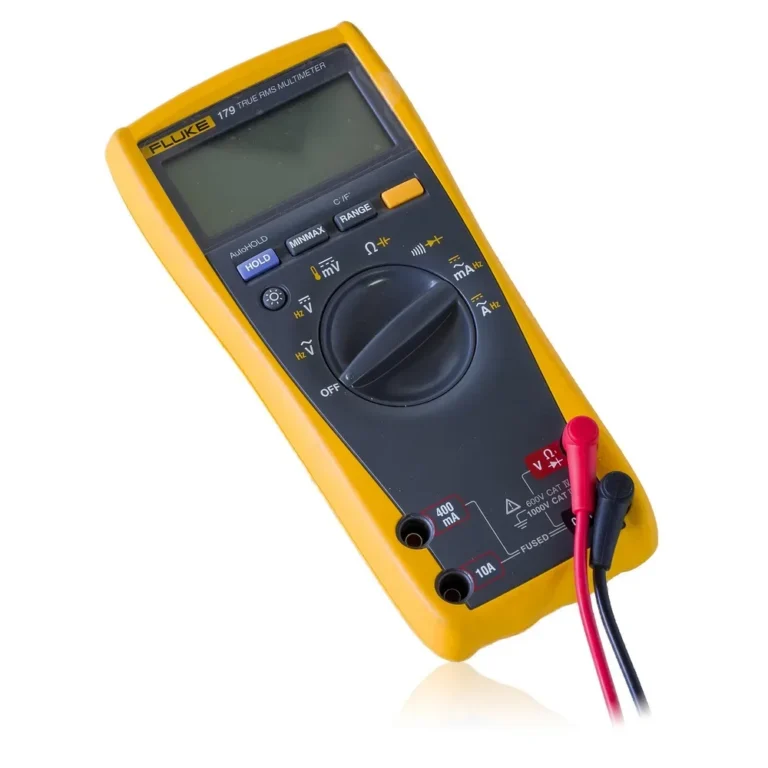
A multimeter can measure voltage, resistance, and current. That matters when the diagnosis depends on whether the circuit is at 12.4 volts, 11.1 volts, or some other exact value. A test light only tells you that voltage is present, which helps, but it does not tell you whether the part can actually work. (en.wikipedia.org)
Why the wrong tool misleads you
A circuit can light a test lamp and still fail under real load. That happens with weak feeds, corroded terminals, bad grounds, and high-resistance connections. The opposite can happen too: a meter may show some voltage on a floating wire, but that voltage cannot supply the part. That is why the symptom matters first.
What is a test light, and when does it help most?
A test light is a simple probe with a bulb or LED that lights when circuit voltage is present. It clips to ground or to a known voltage, and it gives a quick yes/no result. Test lights are often rated for 6V, 12V, or 24V systems, which makes them common in automotive work.
Bulb versus LED test lights
An incandescent test light draws more current than an LED version, so it can act as a small load while you probe a circuit. That can help on power and ground checks, but it can also pull too much current from delicate lines. LED test lights are easier on the circuit, but they reveal less about whether the circuit can carry current.
Fast checks for fuses, switches, and power feeds
A test light can be useful for checking fuses, switch output, and a simple power feed. If a fuse has battery power on one side and not the other, a light makes that clear in seconds. It is also useful for finding a missing ground on basic 12-volt accessories.
When the test light can mislead you
A lit test light does not prove the circuit can carry enough current for the component. Suppose a headlamp feed lights the probe, but the bulb still stays dark. The wire may have enough voltage to glow a tester, yet too much resistance to run the lamp. That is when a multimeter and voltage-drop testing come next.
What is a multimeter, and why do car diagnostics need one?
A multimeter is an electronic measuring tool that combines several test functions in one unit. It can measure voltage, resistance, and current, and a multimeter can also check continuity to detect open or short circuits. Digital multimeters display numeric readings, which is why they are the common choice for automotive diagnostics.
Digital multimeter versus analog meter
An analog meter uses a moving needle. A digital multimeter, or DMM, shows a numeric display and is more precise for most car work. Many DMMs also include diode, capacitance, frequency, and temperature functions, though you do not need every extra feature to diagnose basic automotive electrical faults.
Leads, ranges, and auto-ranging
A multimeter uses red and black test leads, which may include insulated probes, alligator clips, or thermocouple accessories. You must choose the correct function and range unless the meter is auto-ranging. Auto-range adjusts the meter automatically to the circuit, which reduces user error on first-pass checks.
Why exact readings matter
Battery voltage, charging voltage, and voltage drop all need exact numbers. A test light cannot tell you whether a battery is low, borderline, or acceptable. A multimeter can. That is why a DMM is the correct tool any time the diagnosis depends on a specific value, not just the presence of power.
Which tool should you use first for common car faults?

Start with the tool that matches the symptom, not the tool you happen to grab first. If the question is “is power present at all?”, a test light often wins. If the question is “is the circuit healthy enough to work?”, or “how far off is it?”, start with a multimeter. The table below maps common faults to the safest first test.
| Symptom | Best first tool | What result to expect | Use the other tool next when… |
|---|---|---|---|
| No-start, starter does not crank | Multimeter | Exact battery voltage and voltage drop numbers | You confirm battery voltage but still need a loaded power or ground check |
| Blown fuse | Test light | Power on one side only, or no light on either side | You need to confirm continuity across the fuse with the fuse removed |
| Intermittent power window | Test light | Quick yes/no power at the switch or motor feed | You need voltage drop across the switch or wire under load |
| Dead headlamp with intact fuse | Test light | Power and ground presence at the socket | The lamp has power but still will not run, so you need voltage drop or resistance checks |
| Weak blower motor | Multimeter | Exact supply voltage and ground quality | You need a loaded check to find resistance in the feed or ground |
| Bad ground suspicion | Multimeter | Voltage-drop reading across the ground path | You want a quick go/no-go check after the reading |
| Battery voltage question | Multimeter | Exact car battery voltage | Only after that do you move to charging or load testing |
| Parasitic draw concern | Multimeter | Current measurement in series | Not a test light; a lamp is the wrong tool here |
| Horn works only sometimes | Test light | Quick power at relay output and horn connector | You need exact voltage at the relay coil or a continuity check in the wiring |
| Accessory socket dead | Test light | Rapid check for fuse power and socket feed | You need to verify the socket ground or look for high resistance |
| Sensor signal issue on a module-controlled line | Multimeter | Exact signal voltage without much circuit loading | Only if the service information calls for a load test |
| Open wire or broken bulb filament | Multimeter | Continuity test shows open or closed path | You then use a test light to confirm power under load, if needed |
No-start and battery complaints
For example, if the engine only clicks once on a cold morning. Start with the multimeter, because battery voltage needs an exact numeric reading. After that, a voltage-drop test can show whether the starter feed or ground path is wasting power before the starter can turn.
Fuse, relay, and switch symptoms
A common first-timer mistake is checking only one side of a fuse. A test light makes it easy to check both sides quickly, and it is equally useful for relay output and switch output. If the result is unclear, move to continuity or voltage-drop testing with a multimeter.
Can a test light damage car electronics?
Yes, it can on some circuits. A test light is a loaded probe, and that load can disturb sensitive module-controlled lines, sensor circuits, and some communication-related wiring. A lighted result does not mean the circuit is safe for every probe, especially on modern cars with low-current control wires.
Where a loaded test can create trouble
Traditional incandescent test lights draw more current than LED test lights, so they are more likely to affect a delicate circuit. That can matter on airbag, ECU, CAN-related, and sensor wires. Those circuits often need a multimeter first, because it reads without adding much load.
Safer ways to confirm power
Use a DMM on uncertain circuits, especially when the wire is part of a module-controlled system. If you need to see whether a line has power or ground, choose the meter first and use the correct function and range. If the service manual calls for a load check, use a controlled load that fits the circuit, not a random lamp probe.
When should you use a multimeter instead of a test light on a car?
Use a multimeter when the job depends on an exact reading, when the circuit is sensitive, or when you need continuity, polarity, or resistance information. A multimeter is often the better first tool for battery voltage, voltage drop, open-circuit checks, and parasitic-draw diagnosis. It is also the safer choice for many modern modules and sensors.
Battery voltage and charging checks
Car battery voltage must be read as a number, not guessed from a glowing lamp. A basic meter is enough for this job, and more advanced models can also add AC/DC voltage, frequency, capacitance, and temperature. That extra detail helps when charging or sensor behavior looks abnormal.
Weak voltage, ground loss, and voltage drop
A test light can say “power exists,” but it cannot tell you whether the circuit is weak. A multimeter can measure the actual drop across the feed or ground path while the circuit is loaded. That is the right way to find hidden resistance that still allows a lamp to glow but not a motor to run.
Continuity tests for wires, fuses, and bulbs
A continuity test uses a multimeter to detect an open or short circuit. It is useful for wires, fuses, and bulb filaments when the part is removed from the circuit or isolated properly. For a fuse, continuity helps confirm whether the link is intact. For wiring, it helps separate a broken conductor from a bad connector or a poor ground.
Can a multimeter test fuses and continuity in a car?
Yes. A multimeter can check continuity to detect open or short circuits, and that makes it useful for fuses, wires, and bulbs. It is especially helpful when you want more than a quick glow test. If a fuse looks intact but the circuit still fails, continuity gives you the more exact answer.
How to avoid bad readings
Select the correct function and range before touching the circuit. Bad range selection can create confusing results, and poor lead placement can do the same. Put the black lead where the circuit reference belongs, and keep the red lead on the point you actually want to test. Auto-ranging reduces mistakes, but it does not fix poor probe placement.
What can a test light tell me that a multimeter cannot?
A test light can give a fast loaded yes/no answer that a meter may not show as clearly under real-world conditions. That makes it useful for finding a bad connection that still shows voltage but cannot deliver current. It is a simple way to confirm that a feed or ground works under a small load.
Why that matters on real faults
If a circuit lights the test lamp but the part still fails, the lamp has helped you prove a weak delivery path. That is information a high-impedance meter can miss on its own. In other words, the test light is not more exact; it is better at exposing some load-related failures.
Do I need a digital multimeter for automotive work?
Yes, a digital multimeter is the better default for most DIY automotive diagnostics. Its numeric display makes battery checks, voltage drop, and continuity work clearer than an analog needle for beginners. Basic meters are enough for battery testing, and more advanced models add useful extras without changing the core job.
What to look for in a beginner meter
Choose a meter with red and black leads, DC voltage, AC voltage, resistance, and continuity at minimum. Auto-ranging is helpful because it automatically adjusts to the circuit and lowers setup errors. If the meter also includes a hold function or alligator clip options, that can make hands-free testing easier.
Choose a test light if… / choose a multimeter if…
Choose a test light if you need a quick power or ground presence check on a simple 12-volt circuit, especially for fuses, switches, relays, and basic accessories. Choose a multimeter if you need exact voltage, continuity, resistance, polarity, battery testing, voltage-drop checks, or any diagnosis on a sensitive module-controlled circuit.
- Choose a test light if you are confirming power at a fuse, switch, relay, or lamp socket.
- Choose a test light if you want a fast first pass on a basic 12V circuit.
- Choose a multimeter if the symptom involves battery voltage, weak voltage, ground loss, or parasitic draw.
- Choose a multimeter if the circuit involves an ECU, sensor, airbag, or CAN-related wiring.
Frequently asked questions
Is a test light or multimeter better for car troubleshooting?
Neither tool wins every case. A test light is better for fast yes/no checks on simple power and ground paths. A multimeter is better when you need exact values, continuity, or a safer probe on sensitive circuits. For most beginners, the meter should be the primary diagnostic tool.
What should I use to test battery voltage on a car?
Use a multimeter. Battery voltage needs an exact numeric reading, not a glow from a probe lamp. A basic meter is enough for this job, and it can also help you compare the battery, charging system, and voltage drop across cables or terminals.